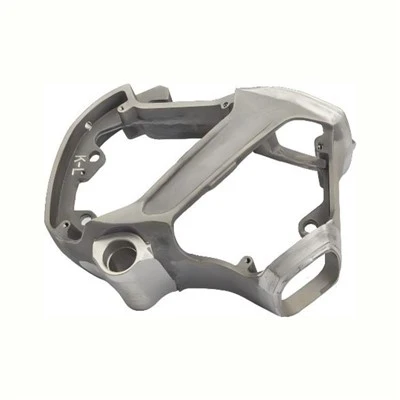


If you’ve ever driven a car, operated a hydraulic press, or turned on a home plumbing faucet, you’ve interacted with valve bodies—critical components that control the flow of fluids, gases, and even electrical signals in industrial and consumer systems. But behind every reliable, leak-free valve body is a precision-engineered core that makes that functionality possible: the valve body core. When high performance, tight tolerances, and consistent quality are non-negotiable, Valve Body CNC Machining is the process that turns raw material into the backbone of these essential parts. As a specialized supplier of this exact service, I’ve spent years walking manufacturers through what makes this process unique, why it matters, and how it’s evolved to meet today’s most demanding industrial needs.
Let’s start by breaking down the basics: what is a valve body core, and why can’t you just machine it with standard tools? The valve body core is the internal, flow-manipulating structure of a valve—think of it as the “brain” that directs fluid or gas through the valve’s ports, chambers, and passages. Unlike exterior valve parts that are often simple shapes, the core features intricate, internal geometries, tight cross-drilled holes, and surface finishes that prevent leaks, reduce friction, and withstand extreme pressure. For context, a single industrial hydraulic valve core might have 10+ internal passages, some as small as 0.5mm in diameter, with positional tolerances of ±0.002mm—about 1/30th the thickness of a human hair. That level of precision is impossible to achieve with manual machining, which is where CNC (Computer Numerical Control) machining comes in.
CNC machining uses pre-programmed computer software to control the movement of factory tools and machinery, automating the cutting, shaping, and finishing of parts with extreme consistency. When applied to valve body cores, this isn’t just basic milling or drilling—it’s a specialized subset of CNC work tailored explicitly to the unique requirements of valve components. What sets Valve Body CNC Machining apart from general CNC services is the attention to detail required for internal flow paths, pressure resistance, and material compatibility. For example, a valve core used in a commercial HVAC system will need a smooth surface finish to minimize fluid turbulence, while a core used in a aerospace hydraulic system must resist corrosion at temperatures up to 200°C, requiring precise machining of specialized alloys.
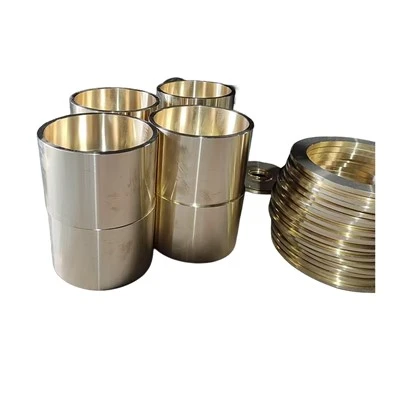
Let’s walk through the typical valve body CNC machining workflow to see how this works in practice, from raw material to finished, inspected part. First, material selection is critical—valve cores are made from a range of metals, including aluminum, stainless steel, brass, and specialty alloys like titanium or bronze, depending on the application. Aluminum is one of the most popular choices for non-high-pressure applications because it’s lightweight, corrosion-resistant, and easy to machine, making it ideal for automotive or consumer valve parts. For manufacturers needing custom solutions, we also offer Aluminum Alloy Non Standard Parts for valve cores that require unique geometries beyond off-the-shelf designs.
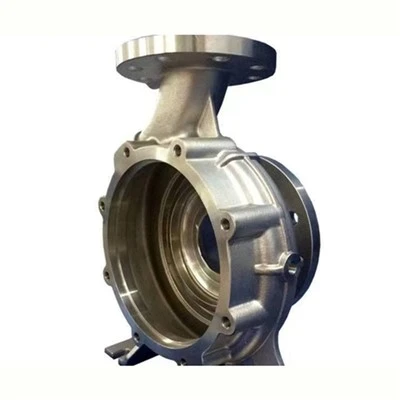
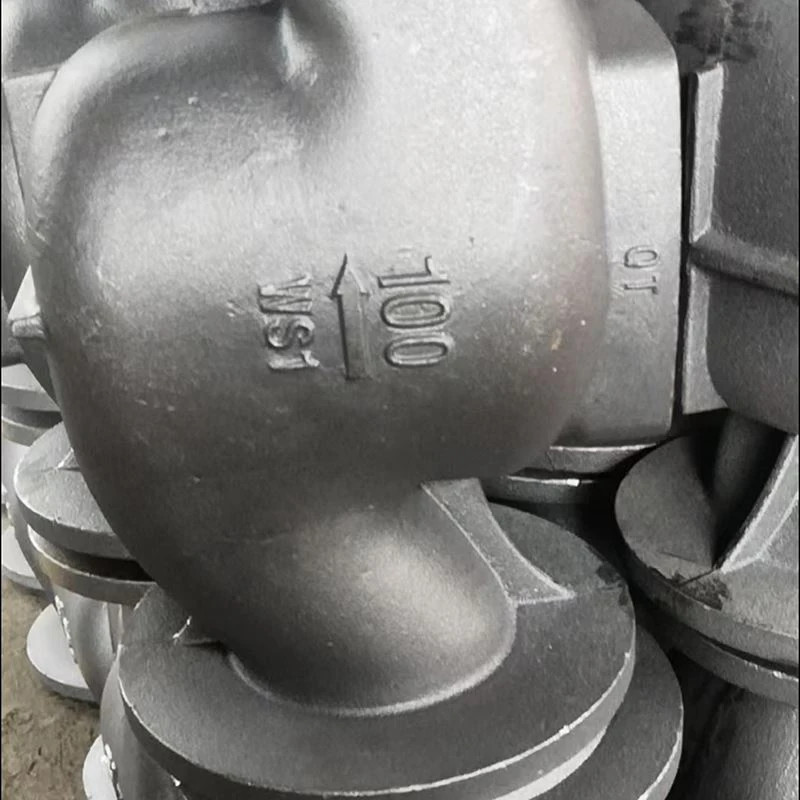
Next, the raw material is prepared for machining. For many valve cores, we start with a billet or cast part—wait, cast parts? Die castings are a common starting point for larger, high-volume valve cores, as they can produce near-net-shape parts that minimize the amount of material that needs to be cut away. That’s why CNC Machining Of Die Castings is a key part of our valve core service: we take pre-formed die cast valve cores and use CNC tools to add the fine details that casting can’t achieve, like tight-tolerance holes and smooth surface finishes. For smaller, higher-precision cores, we might start with solid billet material, which gives us full control over every aspect of the core’s design.
Once the raw material is loaded into the CNC machine, the pre-programmed instructions take over. This is where the magic happens for valve cores: modern 5-axis CNC machines can reach internal passages and features that were impossible to access with older 3-axis machines, allowing us to machine complex, multi-directional geometries in a single setup. That reduces the risk of human error and ensures that all critical features align perfectly, which is essential for preventing leaks. For example, a cross-drilled hole that is even 0.005mm off position could cause two internal passages to connect, ruining the valve’s functionality.
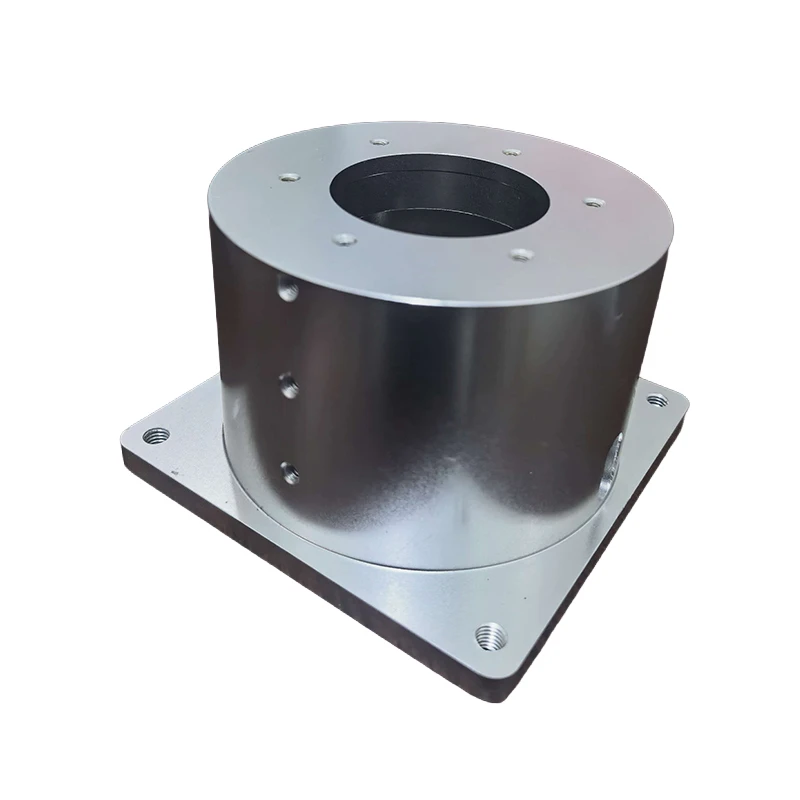
After the rough machining is complete, we move to semi-finishing and finishing operations. For valve cores, finishing is more than just making the part look clean—its critical for performance. We use processes like precision milling, grinding, and honing to achieve the required surface finish, which is often between Ra 0.8 and Ra 1.6 for most industrial applications. We also perform secondary operations like deburring (removing sharp edges from drilled holes), cleaning, and heat treatment (if required) to enhance the core’s strength and durability. For manufacturers looking for custom, enclosed valve components, we also offer CNC Machined Housing services that pair perfectly with our valve core machining, creating a complete, ready-to-assemble valve assembly.
But what makes valve body CNC machining different from other types of precision machining? It’s all about the tolerances and validation that come with it. A standard CNC part might have a tolerance of ±0.05mm, but a valve core’s critical flow features require tolerances as tight as ±0.001mm. That means every step of the process has to be monitored closely: we use coordinate measuring machines (CMMs) to inspect every key feature of the core, from hole diameters to positional accuracy, and we perform leak testing to ensure that there are no unexpected gaps or passages that could cause failure. For high-volume parts, we also use automated inspection systems to ensure consistency across hundreds or thousands of cores, which is essential for industries like automotive, where a single faulty valve core can lead to expensive recalls.
Another key factor is material compatibility. Valve cores are exposed to a wide range of fluids: hydraulic oil, natural gas, water, even corrosive chemicals. The machining process can affect a material’s surface properties, so we use specialized cutting tools and coolants that minimize material stress and maintain corrosion resistance. For example, when machining stainless steel valve cores, we use high-speed steel or carbide tools with sharp edges to avoid work hardening, which can make the material harder and more difficult to machine after the initial cut. For aluminum cores, we use lubricants that prevent material buildup on the cutting tool, which can leave rough edges on the internal passages.
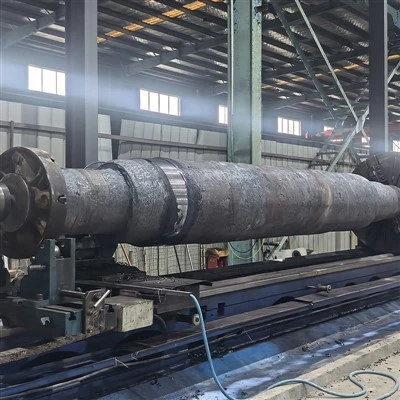
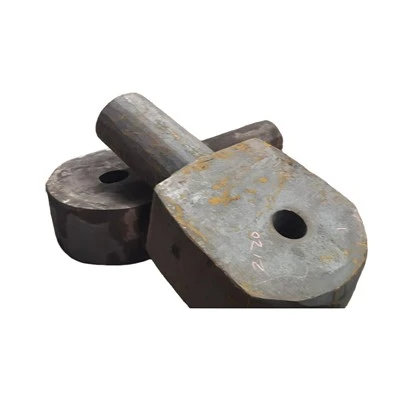
Now, you might be wondering: when should you use valve body CNC machining instead of another manufacturing process, like casting or forging? The answer depends on your part’s complexity, volume, and tolerance requirements. For low-volume, highly customized valve cores—like those used in specialty industrial equipment or custom machinery—CNC machining is often the best choice, because it allows you to make design changes quickly without the cost of creating new molds or dies. For high-volume parts with simpler geometries, casting might be more cost-effective, but even then, CNC machining is needed to finish the core’s critical features. That’s where our experience comes in: as a supplier of Non Standard Machining services, we work with manufacturers to choose the right process for their specific valve core needs, whether that’s CNC machining from solid billet, finishing die cast parts, or creating custom aluminum non-standard cores.
Over the years, we’ve seen how advances in CNC technology have transformed valve body machining. Ten years ago, machining a valve core with 5 internal passages could take 8 hours or more, with a higher risk of error. Today, with modern 5-axis CNC machines and optimized programming, we can produce the same part in 2-3 hours, with better precision and consistency. We also use CAD/CAM software that lets us simulate the machining process before we ever cut a single piece of material, identifying potential collisions or errors in the program that could damage the machine or the part. That not only saves time and reduces waste but also ensures that every valve core we produce meets or exceeds industry standards.
But at the end of the day, valve body CNC machining is about more than just technology—it’s about reliability. A valve core that fails in a construction crane’s hydraulic system can cause downtime costing thousands of dollars per hour; a faulty valve core in a medical device’s fluid system can put patient safety at risk. That’s why we prioritize quality above all else in our valve core machining process. We work closely with our clients to understand their specific application requirements, from pressure ratings to fluid compatibility, and we provide detailed inspection reports with every part to ensure full traceability.
If you’re a manufacturer looking for a reliable, precision-valve body core machining service, or if you have a custom project that requires specialized machining expertise, we’re here to help. Our team has years of experience working with industries ranging from automotive and aerospace to HVAC and industrial machinery, and we can support projects of all sizes, from prototype development to high-volume production. Whether you need standard or custom valve cores, aluminum parts, die casting finishing, or non-standard machining solutions, we have the expertise and technology to deliver parts that meet your exact specifications.
To discuss your valve body core machining needs, feel free to reach out to our team for a consultation and quote. We’re dedicated to helping you source high-quality, precision valve components that keep your operations running smoothly and reliably.
References:
- American Society of Mechanical Engineers. (2021). Standard for Pressure Vessels and Piping Valves. ASME International.
- Machining Data Handbook. (2020). 7th Edition. Society of Manufacturing Engineers.
- CNC Machine Tool Performance Standards. (2022). National Institute of Standards and Technology.
- Valve Design and Manufacturing for Industrial Applications. (2019). Industrial Press Inc.