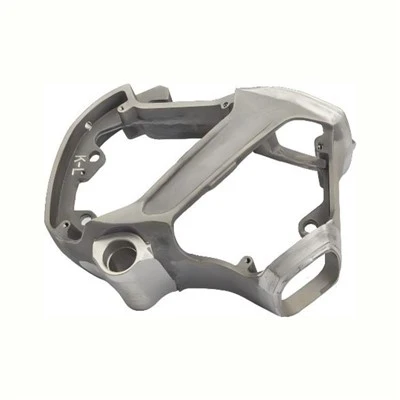


If you’ve spent any time around metal casting, you’ve probably heard the phrase “lost foam casting” tossed around as a versatile, cost-effective method for producing complex components. As a supplier specializing in the Lost Foam Method, I get asked a lot of questions: Is it really better than traditional investment casting? What’s the catch? And most frequently—do you need to apply pressure to make it work properly? Today, I want to break down this topic, because pressure isn’t a one-size-fits-all solution for lost foam, and understanding when to use it (and when to skip it) can make all the difference in producing high-quality castings for your projects.
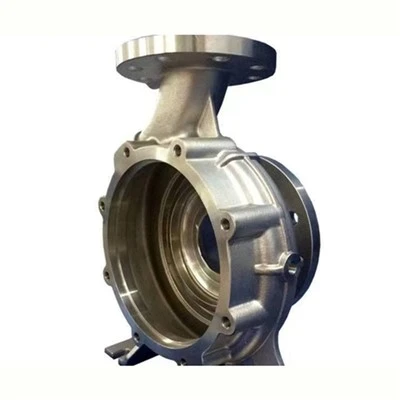
First, let’s start with the basics for anyone new to the process. Lost foam casting works by creating a foam pattern of the desired part, coating it with a refractory material to create a rigid shell, and then casting molten metal directly onto the foam. The foam vaporizes on contact, leaving a cavity that exactly matches the pattern. Unlike Stainless Steel Precision Casting or precision investment casting, which often use multiple steps to achieve accuracy, lost foam eliminates the need for cores or part line removal, making it ideal for parts with intricate geometries. For example, if you’re producing a complex engine component or a custom pump housing, lost foam can create those shapes in a single pour, which saves time and reduces material waste. But here’s the thing: the raw foam pattern and unpressurized casting environment can sometimes lead to defects—like gas porosity, shrinkage, or uneven metal flow. That’s where pressure comes in, but it’s not a requirement for every application.
Let’s talk about when pressure might be necessary. I’ve seen countless projects where castings came out with small voids or inconsistent density, and adding moderate pressure during the pour or solidification stage fixed the issue. The key here is understanding why those defects happen. When molten metal hits the foam pattern, the foam vapor releases gases that need to escape through the refractory coating. If the gases get trapped, they create porosity. Unpressurized systems rely on the natural pressure of the metal’s flow to push those gases out, but for thicker sections or larger parts (like Large Aluminum Castings that have heavy cross-sections), the metal can solidify before all the gases escape. Applying positive pressure—usually in the form of a pressurized chamber or sealed mold—forces the gas molecules back into solution (for metals like aluminum) or helps them vent more effectively through the refractory. Pressure also helps counteract shrinkage, which is common as metals cool and contract. For thick, bulky components, shrinkage can leave behind internal voids that weaken the part. Pressure during solidification feeds molten metal into those shrinking areas, creating a denser, more uniform final product. I recently worked with a customer who was producing large valve bodies for the oil and gas industry using the Lost Foam Method. Their initial unpressurized casts had 15-20% rejection rates due to internal shrinkage, but adding a moderate pressure of 5 psi during solidification dropped that rate to under 2%. That’s a game-changer for their production timeline and bottom line.
But here’s the mistake a lot of people make: assuming pressure is always needed. For many applications, unpressurized lost foam works perfectly, and adding pressure would actually add unnecessary cost or complexity. Let’s take smaller, thinner-walled parts as an example. If you’re casting a delicate component with walls less than ¼ inch thick—like a small electrical housing or a custom jewelry piece—the molten metal flows quickly enough through the foam pattern, and the gases have plenty of time to vent without pressure. In these cases, pressure can lead to other issues: the refractory coating might crack under the additional force, or the foam pattern could deform before the metal solidifies, ruining the geometry. I’ve also seen customers overcomplicate things by using high pressure for parts that don’t need it, which increases energy costs, requires specialized equipment, and extends setup time. The best approach is to assess your part’s size, wall thickness, material, and required tolerance before deciding if pressure is right for you.
It’s also important to distinguish between different types of pressure in lost foam casting, because not all pressure is the same. There’s the pressure applied during the mold filling stage, which helps push molten metal through tiny crevices in the foam pattern—critical for parts with very fine details. For example, if you’re producing a Cast Metal Component with intricate surface textures or small features, moderate pressure during filling ensures the metal reaches every corner of the pattern. Then there’s the pressure applied during solidification, which I mentioned earlier, focused on reducing shrinkage and porosity. Some systems use low pressure (under 10 psi) for general applications, while high-pressure systems (over 50 psi) are reserved for very large, thick-section parts. Understanding this distinction helps you choose the right setup without wasting resources.
Another point to consider is material type. The metal you’re casting plays a big role in whether pressure is needed. Aluminum, for example, has a higher tendency to form gas porosity because it dissolves hydrogen easily. For large aluminum castings, pressure can help remove trapped hydrogen and reduce shrinkage. Stainless steel, on the other hand, has a higher melting point and flows more slowly, so it may benefit from pressure to ensure complete mold filling—especially for complex geometries. But for smaller stainless steel parts with thin walls, unpressurized lost foam works just as well as traditional investment casting, and at a lower cost. That’s one of the reasons the Lost Foam Method is becoming increasingly popular for Stainless Steel Precision Casting applications: it combines the accuracy of investment casting with the efficiency of lost foam, and pressure is only added when it’s actually necessary.
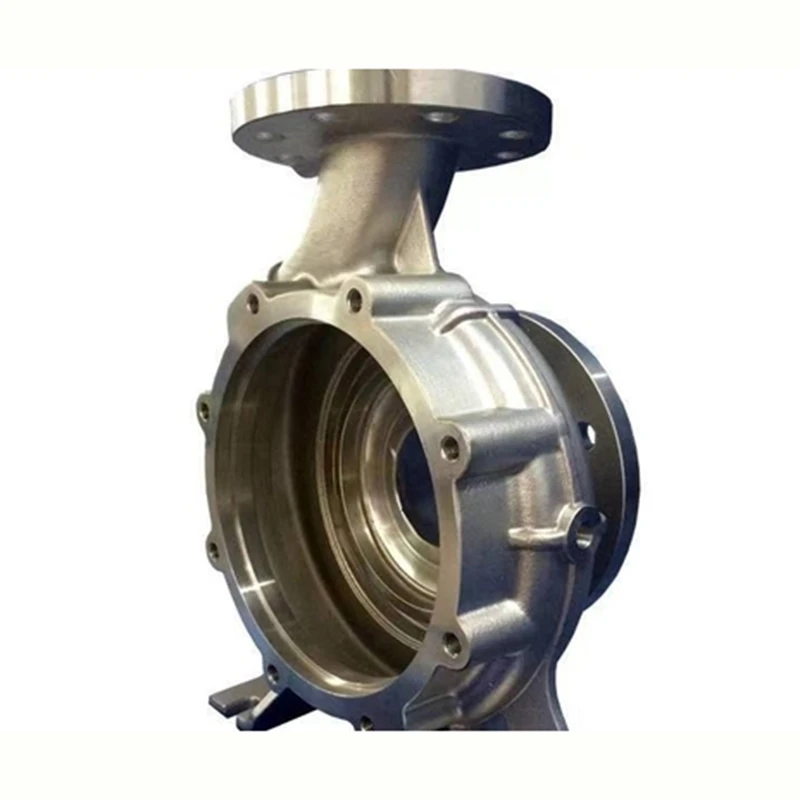

Let me share a real example from my own experience. A few months ago, a customer came to us with a project to produce 500 custom gear housings for a robotics company. The housings had complex internal channels and a mix of thin and thick sections. They initially asked for a high-pressure setup, assuming it would guarantee quality, but after we did a test cast with unpressurized lost foam, we found that only the thickest sections needed a small amount of pressure. We adjusted their process to use low pressure (3 psi) during solidification for those sections, while keeping the rest of the process unpressurized. The result? They got the same high-quality parts as a high-pressure system, but at 30% lower production cost. That’s the value of not assuming pressure is required—by tailoring the process to your specific part, you get the best balance of quality, cost, and efficiency.
Now, I want to address a common misconception: some people think pressure is a replacement for a good refractory coating. While a high-quality refractory is essential for venting gases, pressure can complement that, but it’s not a substitute. If your refractory is too porous or has cracks, even pressure won’t fix gas porosity. Conversely, if your refractory is excellent, you might not need pressure at all for many applications. That’s why working with a supplier who understands the nuances of the Lost Foam Method is so important—we can help you optimize your process, whether that means adding pressure, adjusting your refractory, or choosing a different casting method altogether.
So, to answer the question: Is pressure needed for lost foam casting? The short answer is no—it’s not a requirement for all applications. But it can be a powerful tool when used correctly to address specific defects, especially for large, thick-section parts or those made from materials prone to porosity and shrinkage. The key is to evaluate your project based on part size, geometry, wall thickness, material, and required quality standards. If you’re unsure whether pressure is right for your next project, don’t guess—work with a supplier who has expertise in precision metal casting, like our team, to run test casts and find the optimal process.
At our company, we specialize in helping customers navigate every step of the lost foam casting process, from pattern design to final inspection. Whether you need Precision Metal Casting for small, intricate parts or Large Aluminum Castings for heavy industrial applications, we can tailor our approach to your needs—including deciding when pressure is (and isn’t) necessary. We understand that every project is unique, and we’re here to provide expert guidance to help you get the best results without overcomplicating your process.
If you’re working on a metal casting project and want to learn more about how the Lost Foam Method can work for you, or if you have questions about pressure in lost foam casting, we’d love to connect. Contact us to discuss your requirements and see how our team can support your next production goal.
References
- Campbell, J. (2015). Castings (2nd ed.). Butterworth-Heinemann.
- Sachs, E., Allen, S., & Guo, X. (2000). Direct metal casting of complex geometries using lost foam. Journal of Manufacturing Science and Engineering, 122(4), 626-632.
- Tiedje, N. S. (2007). Porosity in castings: A review. International Journal of Cast Metals Research, 20(3), 129-141.
- American Foundry Society. (2020). Lost Foam Casting: A Guide to Process and Application. AFS Press.