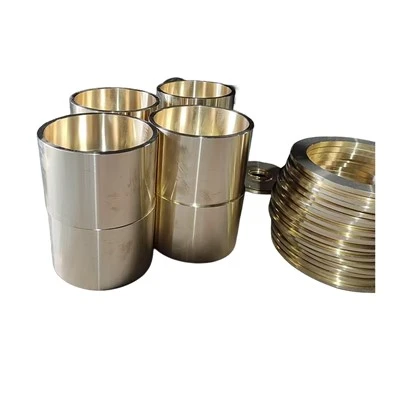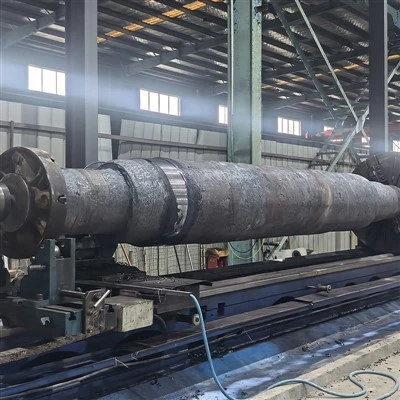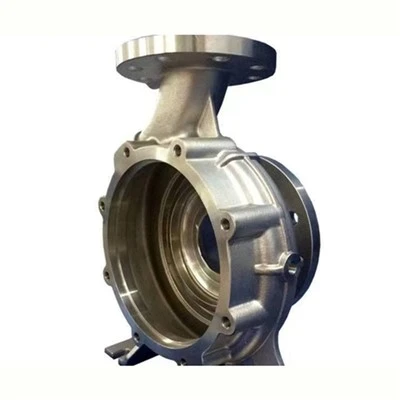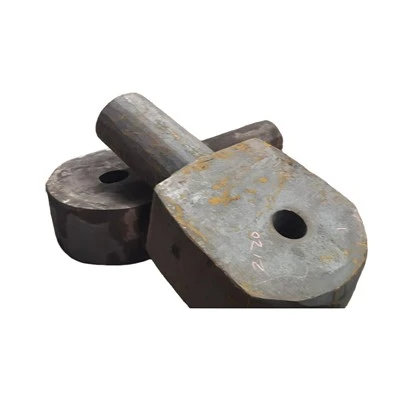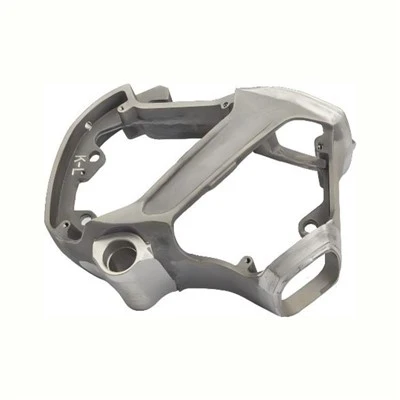


When we talk about tool steel forgings, we’re referring to a category of parts that form the backbone of manufacturing, construction, and industrial applications—these are the components that make everything from drill bits to heavy machinery parts durable enough to withstand extreme pressure, heat, and wear. As a tool steel forgings supplier, I’ve spent years working with these materials, and one question I get asked more than any other is: “What’s the best way to clean tool steel forgings without ruining their structural integrity or performance?” It’s a critical question because cleaning done wrong can introduce defects, reduce hardness, or even cause premature failure. Let’s break down the science, the methods, and what works best for our products—all rooted in real-world experience from the forging floor.
First, it helps to understand where tool steel forgings come from, because their cleaning needs are directly tied to the forging process. Hot metal forging is how we shape most tool steel parts: we heat the raw steel to temperatures high enough to make it malleable, then hammer or press it into the desired form. As you can read in detail about this process at Hot Metal Forging, this method creates parts with superior strength compared to machined or cast alternatives, but it also leaves behind specific residues. The most common is scale—a hard, oxidized layer that forms when the steel reacts with oxygen at high temperatures. We also might have traces of lubricants used during forging to prevent the steel from sticking to dies, plus minor surface contaminants like dirt, mill scale, or handling oils from storage before forging.
Tool steel is unique because it’s alloyed with elements like chromium, vanadium, molybdenum, and tungsten to boost hardness and wear resistance. That alloy content means its surface is more reactive than plain carbon steel, so cleaning methods that work on other materials can damage tool steel. For example, harsh acidic cleaners that eat through iron scale might also etch the alloy elements on the surface of tool steel, creating weak spots that compromise the part’s ability to hold an edge or withstand stress. That’s why generic cleaning methods simply don’t work here—we need approaches tailored to tool steel’s chemistry and its intended use.
Let’s start with the most effective cleaning methods we’ve tested and used for our tool steel forgings, ranked by how well they balance residue removal, part protection, and cost-effectiveness.
The gold standard for most of our tool steel forgings is controlled abrasive blasting. Not all abrasive blasting is equal, though. The key is using a media that’s hard enough to remove scale but not so aggressive that it gouges or hardens the tool steel surface. For tool steel, we use medium-grit glass bead or aluminum oxide blasting media. Glass beads work by gently impacting the surface to break up scale without leaving deep craters, which is critical because craters can become stress concentrators that lead to cracks under load. Aluminum oxide is a bit more aggressive, so we reserve it for forgings with thicker, more stubborn scale that bead blasting can’t remove. We never use steel grit for tool steel—steel grit is too hard and can cause work hardening in the surface layer, which might sound like a good thing, but for tool steel that’s meant to be machined or heat-treated after forging, work hardening makes machining much more difficult and can lead to cracking during heat treatment. The process also needs to be controlled: we regulate blasting pressure (usually between 60 and 80 PSI, depending on the grade of tool steel) and the distance between the nozzle and the part to avoid over-blasting. This method removes 95% of forging scale and lubricant residues without damaging the base material, and it’s the method we use for most of our standard tool steel forgings before secondary processing like machining or heat treatment.
Next, we use alkaline cleaning for parts that have heavy lubricant residues from forging and handling, especially larger tool steel forgings that come with thick oil or grease buildup. Alkaline cleaners are water-based solutions with pH levels between 10 and 12—strong enough to dissolve oil and grease but mild enough not to react with tool steel alloys. We apply them in heated immersion tanks (usually at 140 to 160 degrees Fahrenheit) for 15 to 30 minutes, depending on the residue level, or use spray washers for parts that can’t fit in immersion tanks. The science here is that alkaline solutions saponify oil and grease, turning them into a soft, soap-like substance that rinses away easily. A big benefit of alkaline cleaning is that it’s non-abrasive, so it doesn’t alter the surface texture of the forging, which is ideal for parts where surface finish is critical—like dies or cutting tools that need a smooth, uniform surface. The only downside is that alkaline cleaning doesn’t remove heavy mill scale, so we always follow it up with a light abrasive blast if scale is present. That combination works incredibly well for parts that need both residue removal and a clean surface before coating or assembly.
For smaller, precision tool steel forgings that require an ultra-clean surface (like parts used in aerospace or high-wear industrial applications), we use acid pickling, but only as a targeted, controlled process. The mistake many people make with pickling is using strong, undiluted hydrochloric or sulfuric acid, which etches tool steel’s alloyed surface and causes corrosion. We use a diluted, inhibited acid solution—usually a mix of sulfuric acid with a corrosion inhibitor that binds to the tool steel surface to prevent unwanted etching. The acid dissolves the iron oxide scale, while the inhibitor protects the chromium and other alloy elements that give tool steel its hardness. We only use this method for parts where abrasive blasting or alkaline cleaning can’t reach tight crevices or complex geometries, and we strictly monitor the concentration of acid, temperature, and immersion time to avoid damage. After pickling, we do a thorough neutralization rinse with a mild alkaline solution, followed by a deionized water rinse to remove all traces of acid, then dry the parts immediately to prevent flash rust. It’s a more labor-intensive process, but essential for precision parts where even a tiny spot of residual scale or corrosion can lead to failure.
There’s one method we avoid entirely for tool steel forgings: high-pressure water jet cleaning without added abrasives. Plain water jets can’t remove hard forging scale, and while they might remove loose dirt and light lubricant, they leave behind moisture that can cause tool steel to rust if not dried properly. We also avoid sand blasting, even though it’s common for other metals, because sand particles are sharp and can embed in the tool steel surface. Embedded silica particles act as contaminants during machining and can cause abrasive wear on the finished part, not to mention the health risks for operators handling sand.
Now, let’s talk about factors that change the cleaning process depending on the type of tool steel forging we’re working with. For example, our stainless steel forgings, which are a subset of tool steel with high chromium content, have a different cleaning need. You can learn more about this specialized material at Stainless Steel Forgings. Stainless steel’s high chromium content makes it more resistant to oxidation, so its scale is thinner and less reactive, but it’s also more prone to etching if exposed to strong acids. That’s why for stainless steel forgings, we use light glass bead blasting or mild alkaline cleaning, never aggressive acid pickling, to preserve the chromium-rich passive layer that makes stainless steel corrosion-resistant.
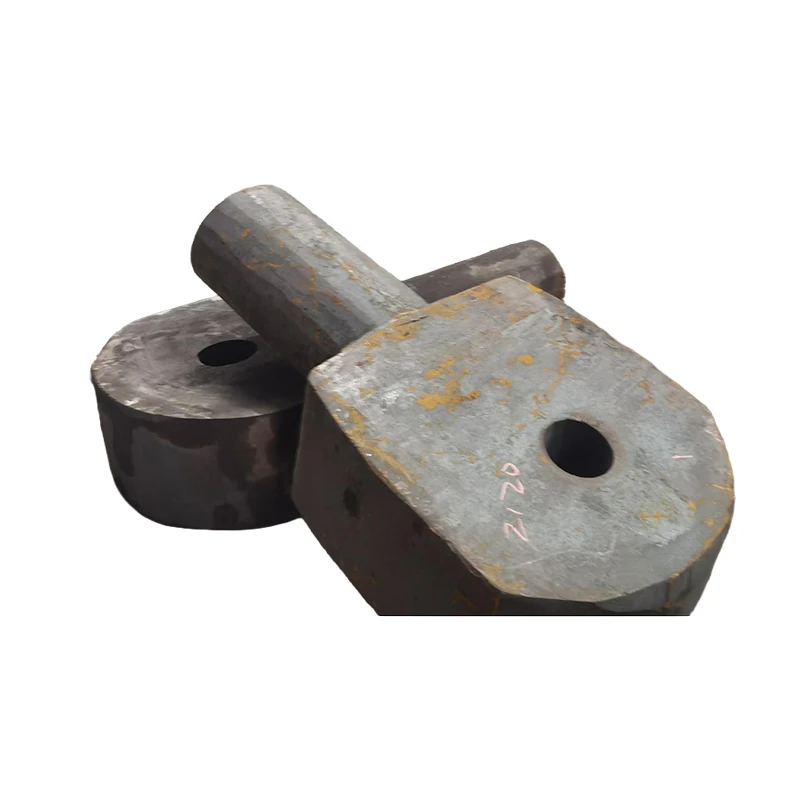
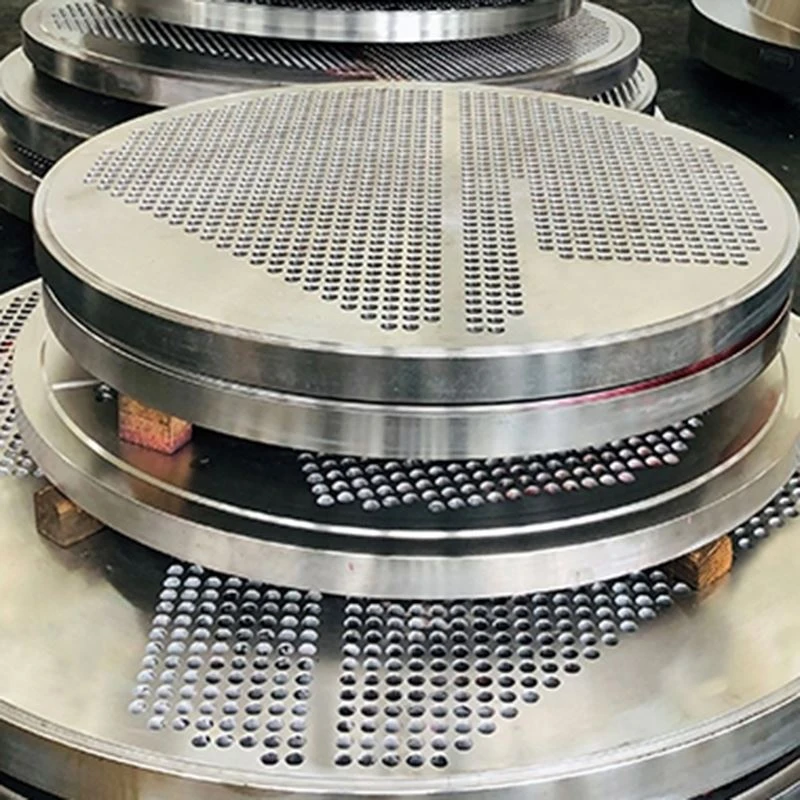
Our black forged steel products, another category we offer, have a unique surface—they’re left with a thin, uniform oxide layer after forging that acts as a natural protective coating. For these parts, we only do light cleaning to remove loose surface dirt or handling residues, and we avoid abrasive blasting or aggressive cleaners that would strip that protective layer. You can read more about black forged steel at Black Forged Steel to understand its properties and cleaning requirements.
For all our tool steel forgings, the goal of cleaning isn’t just appearance—it’s about preparing the part for its next step. Whether that’s heat treatment, machining, coating, or direct assembly, a clean surface ensures that secondary processes work correctly. For example, if scale is left on a forging during heat treatment, it can cause uneven heating, leading to inconsistent hardness or even distortion. If lubricant residues are left before coating, they can cause the coating to peel or adhesion to fail. As a supplier, that’s why we prioritize cleaning methods that not only remove residues but also preserve the tool steel’s mechanical properties—strength, hardness, wear resistance—so our customers get a part that performs as intended.
Now, let’s address some common myths about cleaning tool steel forgings. One myth is that hotter cleaning is always better. While some methods benefit from heat, too much heat can cause lubricant residues to polymerize (turn into a hard, sticky substance) that’s even harder to remove. We keep alkaline baths at 140-160 degrees for a reason—hot enough to speed up saponification, but not so hot that it breaks down lubricants into stubborn residues. Another myth is that any abrasive will work. I’ve seen customers ruin a batch of precision tool steel dies by using steel grit blasting, which work-hardened the surface so much that the dies cracked during heat treatment. That’s why we always emphasize matching the abrasive media to the tool steel grade and the part’s intended use.
If you’re a manufacturer working with tool steel forgings, the best cleaning method for your parts will depend on their size, geometry, grade of tool steel, and final application. For most general-purpose tool steel forgings, controlled glass bead blasting followed by alkaline rinsing works perfectly. For precision parts, targeted inhibited acid pickling or light abrasive blasting is the way to go. For black forged steel, just a light rinse to remove loose residues.
At our facility, we’ve refined these processes over years of working with tool steel forgings, and we know that a clean part is a reliable part. Our forgings are produced using the best practices in hot metal forging, ensuring strength and consistency, and we pair that with rigorous cleaning to make sure they’re ready for whatever application you have. You can explore our full range of forged metal parts, including tool steel forgings, at Forged Metal Parts to see how our products meet industrial needs.
If you’re looking for a trusted tool steel forgings supplier that understands not just how to make high-quality parts, but how to prepare them for your production process, we’re here to help. Whether you need forgings ready for immediate assembly, parts optimized for machining, or precision components for high-stakes applications, we can tailor our cleaning and finishing processes to your exact requirements. Contact our team to discuss your project, and we’ll work with you to find the right solution for your tool steel forging needs.
References:
ASM International. (2020). Forging and Forming of Tool Steels. Materials Park, OH: ASM International.
Davis, J. R. (Ed.). (2005). Tool Steels (5th ed.). Materials Park, OH: ASM International.
Tusek, J., & Kopac, J. (2001). Surface Cleaning of Forgings: Methods and Applications. Journal of Materials Processing Technology, 119(1-3), 287-293.