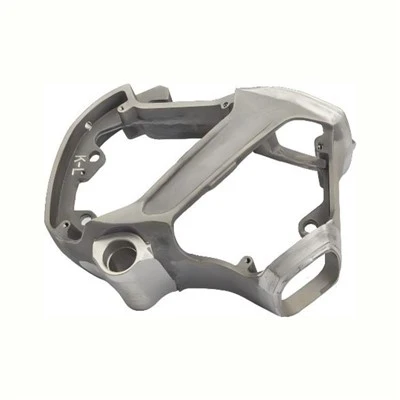


If you’ve ever worked with aluminum alloy die castings, you know porosity is one of the most frustrating issues that can derail a project—ruining part quality, causing leaks, or leading to costly scrap. As a supplier specializing in high-performance Aluminum Alloy Die Castings, I’ve spent years troubleshooting these problems with teams across industries, from automotive to aerospace. Porosity isn’t just a manufacturing defect; it’s a barrier to delivering parts that meet tight tolerances and performance requirements. In this post, I’ll break down what causes porosity in aluminum die castings and share actionable, field-tested strategies to prevent it, drawing from our own shop floor lessons and industry best practices.
First, let’s define porosity briefly, because not all voids in castings are the same. Porosity refers to tiny gas pockets or shrinkage cavities that form during the solidification process. Gas porosity happens when trapped gases (like hydrogen from molten aluminum reacting with moisture) don’t escape before the metal solidifies. Shrinkage porosity occurs as metal cools and contracts, creating gaps that aren’t filled by surrounding molten material. Both types are tricky, but with the right process controls, you can minimize—or even eliminate—their impact.
Let’s start with the foundation: metal preparation. The quality of your molten aluminum is the first line of defense against porosity. One of the biggest sources of gas porosity is hydrogen absorption. Aluminum has a high affinity for hydrogen, and even small amounts of moisture in your furnace, crucible, or tooling can lead to significant gas buildup. At our facility, we’ve implemented strict drying protocols for all materials before they touch molten metal. We bake our aluminum ingots, alloys, and fluxes at 200–300°C for 4–6 hours to remove surface moisture, and we use closed-loop melting furnaces with controlled atmospheric pressure to reduce exposure to humid air. Another key step is degassing. We use rotary degassing with argon or nitrogen—this process injects inert gas into the molten metal, creating tiny bubbles that attract and carry hydrogen to the surface where they can be skimmed off. Without proper degassing, even the most well-tuned die casting machine will struggle with porosity. For comparison, some of our customers who also work with Aluminum Alloy Gravity Castings (which have slower solidification times that allow more gas escape) have shared that their degassing processes are slightly less aggressive, but for die castings—with fast cycle times—degassing non-negotiable.
Next up: die design and preparation. Your die is where the magic happens, and poor design is a common hidden cause of porosity. When molten aluminum flows into the die cavity, it can create turbulent flow that traps air or gas, or leaves gaps that become shrinkage cavities. We’ve revised dozens of die designs over the years, adding gradual flow paths (called runners) that direct metal smoothly into the cavity without splashing, and overflow wells strategically placed to catch the first, gas-rich material that enters the die. The gating system is also critical—we size gates to ensure metal fills the cavity in less than 0.1 seconds for thin-wall parts, which reduces the chance of gas entrapment. Die temperature is another often-overlooked factor. If the die is too cold, metal solidifies too quickly, preventing gas from escaping and leaving shrinkage gaps. If it’s too hot, the part may warp or have surface defects. We maintain die temperatures between 150–250°C depending on the alloy and part size, using temperature sensors that adjust heating and cooling in real time. We also apply die releases that are low in moisture—many standard die releases contain water, which can turn to steam in the hot die and get trapped. We switched to solvent-based releases years ago, and that small change cut gas porosity defects by 18% in our automotive valve body projects. Speaking of valve bodies, you can see how these die design principles apply to precision parts when you check out our Aluminum Alloy Valve Bodies page, where we share how we adjust processes for parts with tight flow and pressure requirements.
Then there’s the die casting machine process parameters. Even with a great die, incorrect process settings can ruin everything. Let’s talk about injection speed and pressure first. Too fast, and you get turbulent flow that traps air; too slow, and metal solidifies before the cavity is full. We work with our customers to define optimal injection curves—for most aluminum alloys, we use a two-stage injection: a slow initial speed (0.2–0.5 m/s) to fill the runner and gate without splashing, then a fast fill speed (2–5 m/s) for the cavity, followed by intensification pressure (500–1000 bar) to compact the metal as it solidifies. Intensification pressure is especially key for shrinkage porosity—it pushes extra molten metal into the solidifying part to fill gaps. We monitor intensification pressure throughout each cycle, because small variations can lead to inconsistent porosity across parts. We also control shot size carefully—too little metal in the shot sleeve means air will be pulled into the cavity when the die closes. Our machines have automated shot size calibration that adjusts for minor variations in metal temperature, which has reduced scrap from shot-related porosity by 12% over the past two years.
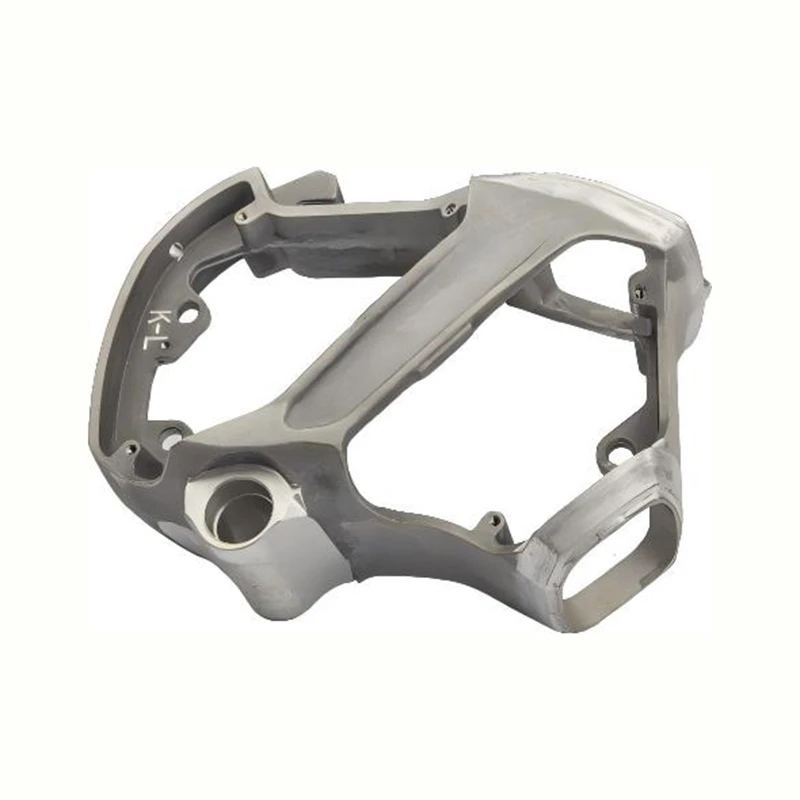
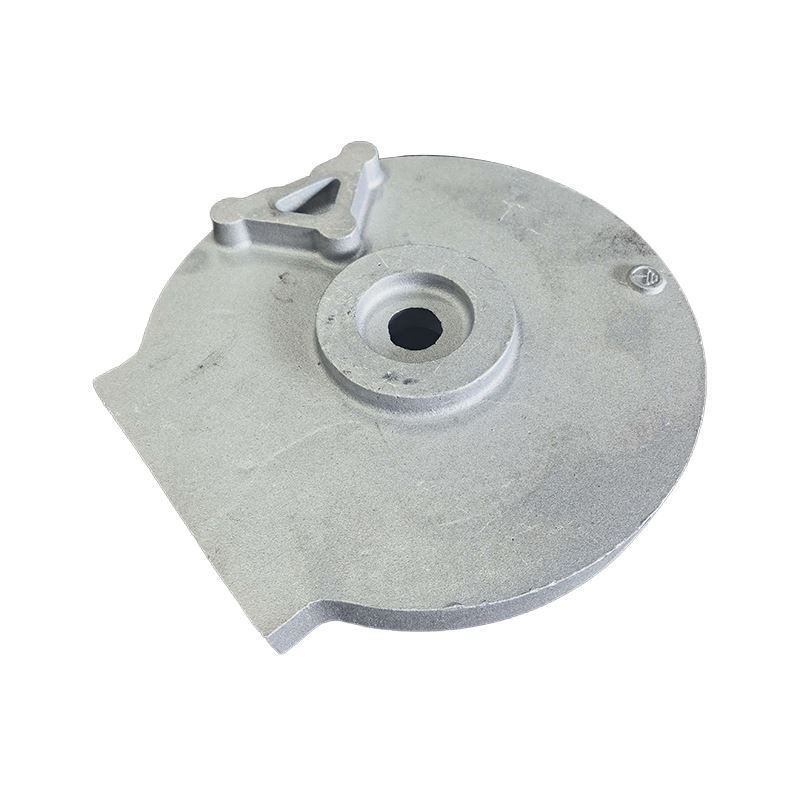
Another factor: alloy selection and purity. Not all aluminum alloys are created equal when it comes to porosity susceptibility. Alloys with higher silicon content (like A380) have better fluidity, which helps fill cavities and reduce shrinkage, but they can still be prone to hydrogen porosity if degassing is poor. Alloys with higher magnesium content (like AM60) absorb more hydrogen, so they require more rigorous degassing. We work with our customers to select the right alloy for their part’s requirements, not just its mechanical properties—sometimes switching from a high-magnesium alloy to a silicon-rich alloy, paired with proper degassing, can eliminate porosity without any other process changes. We also maintain strict control over metal purity: we remove dross (oxide layers that form on molten metal) every 20–30 minutes, because dross can act as a barrier to gas escape and create voids. If you’re looking for parts that balance purity and precision, our Aluminum Alloy Precision Machined Parts page highlights how we post-process die castings to remove any remaining surface porosity after casting.
Post-casting processing can also help reduce porosity, but it’s not a replacement for good in-process controls. Hot isostatic pressing (HIP) is a process where parts are heated under high pressure to close internal voids—this is common for aerospace parts that need 100% density. However, HIP adds cost, so we only recommend it when necessary. For most applications, we use leak testing after casting to catch porosity that would cause leaks, and we adjust our processes when defects are found. We also perform x-ray inspections on every lot of high-value parts, which helps us identify process trends before they become a big issue. For example, last year we noticed a spike in porosity in a batch of transmission housings, and x-ray analysis showed the problem was tied to a faulty temperature sensor on the die. Replacing the sensor fixed the issue in one production run, saving us from scrapping 500 parts.
I know porosity can feel like an insurmountable challenge, but it’s solvable with the right combination of metal prep, die design, process controls, and alloy selection. At our facility, we’ve built our reputation on delivering consistent, high-quality Aluminum Alloy Die Castings by prioritizing these steps over quick production shortcuts. If you’re dealing with porosity issues in your current parts, or you’re looking for a reliable partner to source precision aluminum castings, we’re here to help. We work with customers across industries to tailor processes to their specific part requirements, from small precision components to large structural parts. Whether you need die castings, gravity castings, or precision machined parts, our team has the expertise to support your project. Reach out to our team to discuss your needs and learn how we can help you achieve defect-free parts.
References
- Campbell, J. (2015). Castings. Butterworth-Heinemann.
- Nucor Steel. (2022). "Hydrogen Porosity in Aluminum Castings: Causes and Mitigation." Nucor Metal Casting Technical Bulletin.
- American Foundry Society. (2021). Aluminum Die Casting Process Controls and Quality Assurance. AFS Press.