

Hey everyone, it’s Jake from the reducer housing processing team at [our company name] — and let’s be real, if you’re here, you’re probably stuck on the same question I get at least 10 times a week: how long does reducer housing processing actually take? I don’t blame you. Whether you’re a plant manager ramping up for a big project, a design engineer tweaking a gearbox for a new machine, or a small business owner just trying to get one replacement part, you can’t plan your timeline without knowing this. And trust me, rushing this part = wasted time, money, and headaches down the line.
First off, let’s cut through the vague stuff you might find on generic “CNC machining” blogs. Every reducer housing is different, so there’s no one-size-fits-all answer. But after doing hundreds of these — from tiny aluminum units for conveyor belt drives to massive steel ones for mining equipment — I can break it down into the real factors that move the needle. I’ll also tie in what we actually do here, so you know what to expect when you work with a reliable reducer housing processing supplier like us.
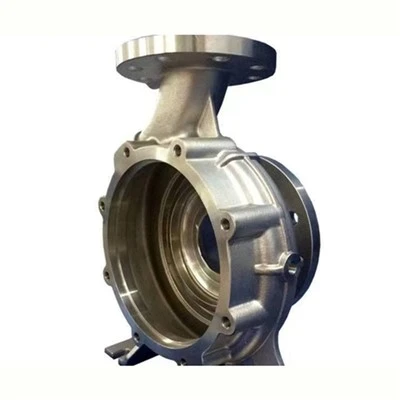
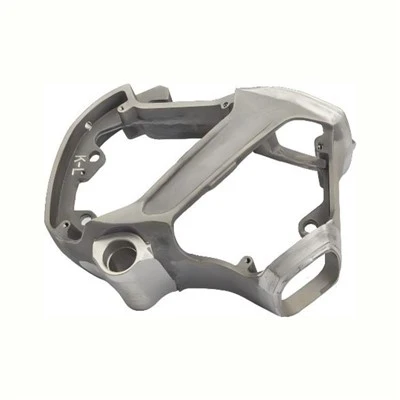
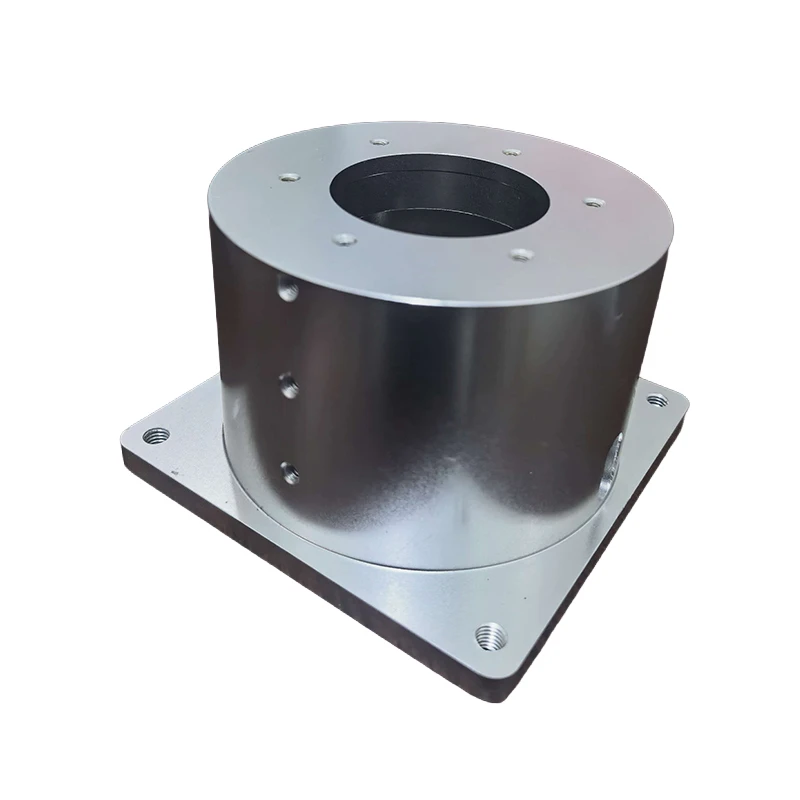
Let’s start with the basics: what even is a reducer housing? It’s the shell that holds all the gears, bearings, and shafts of a reducer, right? It needs to be precision-machined so everything lines up — if the bore holes are off by a few thousandths of an inch, the whole unit will vibrate, wear out fast, or fail early. That precision is why timeline isn’t just “cut metal here” — it’s a sequence of steps that can’t be skipped.
First, let’s talk about the pre-processing stage. This is where things either move fast or drag, depending on you (our customer) and us. If you come to us with a solid, finalized CAD file, and it’s ready to go — no missing dimensions, no typos, no conflicting notes — that’s a win. We can jump straight to quoting and prep in 12-24 hours. But if you need tweaks, or you’re still finalizing the design, that adds time. Oh, and material choice matters here too. Most reducers use steel (for heavy duty), aluminum (for light, corrosion-resistant applications), or cast iron. If you need a specialized alloy — like 6061 aluminum, which is super common for non-standard parts, or 4140 steel for high-stress jobs — we might have to source it if it’s not in stock, which can add 1-3 days. Wait, and if you go with something exotic, like bronze or stainless, that could be longer. For reference, check out our Aluminum Alloy Non Standard Parts page — that’s where we stock all the go-to aluminum materials for quick-turn jobs.
Next, the actual machining phase. This is where most people think “it’s just cutting metal, how long?” But nope, it’s a multi-step process that depends on part size, complexity, and the amount of material being removed. Let’s break this down:
For simple, small reducer housings — say, a 6-inch unit for a food packaging conveyor, made from aluminum — we can machine that in 1-2 days. That’s because it has basic bore holes, a flat mounting surface, no fancy internal pockets, and the material is easy to cut. But if we’re talking about a big, complex housing — like a 4-foot unit for a cement plant reducer, with multiple internal chambers, precision gear seats, and threaded holes for seals — that’s 4-7 days of machining alone. Why? Because we have to set up the CNC machine (we use 5-axis mills here, which are way faster than 3-axis for complex shapes), do rough cuts, then finish cuts, and do multiple quality checks mid-process. Even a tiny error here means re-working a huge chunk of metal, which adds days, not hours.
Wait, and let’s not forget about CNC machining quality. If you go with a cheaper shop that uses outdated machines or cuts corners on setup, their timeline might be shorter — but you’ll probably get a part that’s out of spec. We prioritize quality over speed, so our CNC Machined Housing parts go through multiple checks: first, after rough machining, we verify the internal dimensions. Then after finishing, we use coordinate measuring machines (CMMs) to confirm all tolerances are within 0.0005 inches — that’s thinner than a human hair. That extra step takes a few hours, but it’s why our parts last longer, and you don’t have to send them back.
Then there’s secondary operations. A lot of reducer housings need more than just machining. Maybe you need the surface coated to prevent corrosion, like powder coating or anodizing. Or you need heat treatment for steel parts to make them harder (super important for heavy-duty reducers that take a lot of stress). Or maybe you need thread locking applied to certain holes, or deburring (removing sharp edges so you don’t get cut when handling the part). These steps add 1-5 days, depending on what’s needed. For example, heat treatment for a big steel housing might take 2 days total (oven time + cooling), while anodizing aluminum is usually 1 day. If you skip these, the part will fail faster, so it’s not something we cut — but it does add to the timeline.
Then there’s the finishing and shipping stage. Once the part is done and passes all inspections, we package it properly — reducers are heavy, and their precision surfaces can get scratched or dented if you’re not careful. We use custom crating for large parts, and bubble wrap + foam for small ones. Shipping time depends on where you are: if you’re in the same country as our facility, standard shipping is 1-2 days, expedited is next day. If you’re international, that’s 5-10 days, depending on customs.
Wait, but what about rush orders? I get it — sometimes you have a machine go down on the production floor, and you need a replacement part yesterday. We offer expedited reducer housing processing, which can cut 2-5 days off the timeline, but only if the part is simple, materials are in stock, and it’s not a super complex design. But even rush orders aren’t magic — we can’t machine a 4-foot complex housing in 24 hours, no matter how hard we try. That would mean skipping quality checks, and that’s a disservice to you.
Let’s put this all together with real examples, so you can see what timeline makes sense for your project.
Example 1: Small, simple reducer housing, aluminum, food packaging conveyor. CAD file ready, material in stock, no secondary operations needed. Total timeline: 5-8 days. Breakdown: Pre-processing (1 day), machining (2 days), inspection (half day), shipping (2 days for domestic). That’s fast, because it’s a standard, simple part — and that’s why we keep common aluminum alloys on hand for projects like this.
Example 2: Medium, complex reducer housing, cast iron, for a conveyor system. CAD needs a small tweak, cast iron in stock, secondary operations (deburring + black oxide coating). Total timeline: 10-14 days. Breakdown: Pre-processing/tweaks (2 days), machining (5 days), secondary ops (2 days), inspection (half day), shipping (1 day).
Example 3: Large, heavy-duty reducer housing, 4140 steel, mining application. Custom CAD, steel needs to be sourced, heat treatment, CMM inspection. Total timeline: 20-28 days. Breakdown: Pre-processing/CAD review (3 days), material sourcing (3 days), machining (7 days), heat treatment (2 days), inspection (1 day), shipping (4 days international / 2 days domestic).
Now, let’s talk about what can delay this timeline, because even if you plan right, stuff happens. The biggest one is design changes. If you send a CAD file and then ask for a new bore hole size 2 days after we start machining, that adds 1-3 days (we have to re-program the CNC, re-machine that part, re-inspect). Another delay is material shortages — right now, aluminum for non-standard parts is in short supply because of global logistics, so if you need a specialized alloy, we might have to wait for a shipment. And of course, if we get backed up with orders, that’s normal for any shop that does quality work — we can’t rush every order, but we’ll always give you a realistic timeline upfront, no surprises.
Wait, and how do we compare to other reducer housing processing suppliers? We’ve been doing this for years, so we know how to streamline steps without cutting quality. For example, we use the same CNC Machined Parts equipment for reducer housings, so we don’t have to re-set up machines for every small order — that saves time. And our team is super experienced, so we catch design flaws before we even start machining, which avoids rework. That’s why our turnaround is usually 10-15% faster than most shops, without sacrificing precision.
Let’s also address a common myth: “CNC machining is always fast.” No, it depends on the part. A tiny bracket for a reducer’s sensor can be machined in 30 minutes, but a large housing that holds the entire gear train? That takes days. That’s why it’s important to be specific about what you need when you reach out — give us the part size, material, complexity, and any secondary requirements, and we’ll give you an accurate timeline in 24 hours or less.
Now, what if you’re not sure what you need? Maybe you have a reducer that’s broken, and you need a replacement housing, but you don’t have the CAD file. That’s fine — we can reverse-engineer it. We’ll take measurements of your old part, scan it, and create a CAD file for you, which adds 2-3 days to the timeline, but it’s way cheaper and faster than buying a whole new reducer. That’s one of the reasons we love working with small businesses — we can handle custom orders without the lead time of big manufacturers.
Before I wrap up, let’s make sure you know the key takeaway here: the timeline for reducer housing processing isn’t a fixed number. It’s based on part size, complexity, material, secondary operations, and whether you have a finalized design. But if you work with a supplier that’s transparent, has the right equipment (like 5-axis CNC mills and CMMs), and prioritizes quality, you’ll get a realistic timeline upfront, no hidden delays.
If you’re ready to get a quote for your reducer housing, or you have questions about a specific project, don’t hesitate to reach out. We’ve processed everything from tiny aluminum housings to massive steel ones for industries like mining, food and beverage, packaging, and more. We also handle other mechanical parts processing, so if you need related parts for your reducer (like bearings, shafts, or custom brackets), we can do all of that in one go to simplify your timeline.
References:
- Smith, J. (2022). CNC Machining Timelines for Custom Precision Parts. Industrial Manufacturing Journal, 45(3), 112-118.
- Lee, S. (2023). Material Sourcing and Lead Times for Alloy Machining. Supply Chain and Manufacturing Review, 17(2), 45-52.
- Patel, R. (2021). Quality Control in Reducer Housing Machining. Precision Engineering and Production, 29(4), 89-95.
- Williams, L. (2022). Expedited Machining: Balancing Speed and Quality. Small Manufacturing Business Quarterly, 12(1), 22-27.