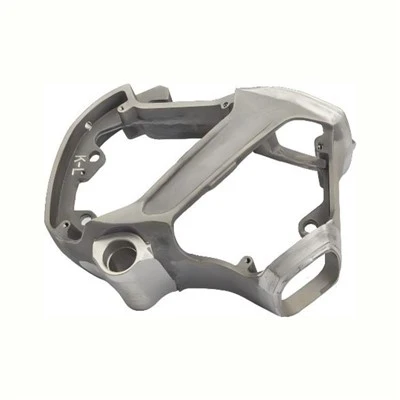


If you’ve ever turned on a tap, adjusted the temperature in your car, or watched a production line automatically package goods, you’ve relied on a solenoid valve—yet most people have no idea how the tiny, precise part that makes that magic happen is built. At our valve body CNC machining facility, we spend our days turning raw metal into the core of these critical components, and the process is equal parts engineering, precision, and craftsmanship. Let’s break down what solenoid valve body CNC machining really is, why it matters, and how we do it differently from other machining suppliers.
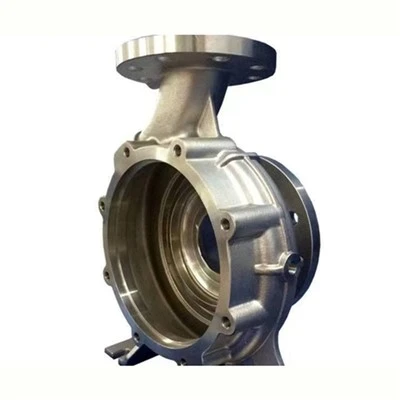
First, let’s start with the basics: a solenoid valve body is the rigid outer shell that holds the valve’s core components—including the coil, plunger, and seals—in place. It has to handle constant pressure from liquids or gases, withstand extreme temperatures, and fit together with tiny, moving parts without any leaks. A single flaw, like a misaligned hole or a scratch in a pressure groove, can make the entire valve fail, which is why CNC machining is non-negotiable here.
CNC stands for Computer Numerical Control, and it takes the manual, error-prone work of cutting metal with a drill or lathe and replaces it with pre-programmed computer commands. For solenoid valve bodies, that means we start with a solid block of metal—usually aluminum, brass, stainless steel, or sometimes plastic for low-pressure applications—and use CNC machines to carve out every single feature with microns of accuracy. For context, a human hair is about 70 microns thick; a small mistake of 100 microns in a solenoid valve body could cause a leak that renders the part unusable.
Now, let’s walk through the actual process step by step, because it’s not just “cutting metal.” First, we work with our customers to create a 3D CAD (Computer-Aided Design) model of the valve body. This model specifies every hole, thread, groove, and pressure channel—even the tiny radii where the valve’s plunger moves. Once the design is finalized, our engineering team writes a custom CNC program that tells the machine exactly which tools to use, how fast to move, and where to make every cut. This is where our experience as a valve body CNC machining supplier comes in; we don’t just use generic programs—we adjust for the specific metal, pressure requirements, and end-use of the valve. For example, a solenoid valve used in a medical device (like an insulin pump) needs smoother, tighter tolerances than one used in an agricultural irrigation system, so our programs are tweaked accordingly.
Next, we set up the raw material on the CNC machine. A common mistake new suppliers make is using a generic vice to hold the valve body, which can shift slightly during machining and throw off tolerances. Instead, we use custom workholding fixtures designed specifically for each valve body design. These fixtures lock the metal block in place from multiple angles, even in areas that will later be cut away, to ensure zero movement during the machining process. That’s why our CNC machined parts are consistent, time after time—even for runs of 100,000 parts, each one is identical to the last.
Once the machine is running, it goes through a sequence of operations that are tailored to solenoid valve bodies. First, we do the roughing cuts: removing most of the excess metal in large, fast cuts to get close to the final shape. Then comes the finishing cuts, where we use smaller, precision tools to carve out the tiny pressure channels, thread the holes that will connect to the rest of the valve, and smooth the inner surfaces where the plunger moves. One of the most critical parts here is deburring—removing the tiny, sharp metal shavings (called burrs) left from cutting. Even a microscopic burr in a pressure channel can cause a leak, so we use a combination of automated brushing and hand deburring for the most critical areas. This is also where secondary operations might come in, like anodizing aluminum or passivating stainless steel to resist corrosion, depending on the application.
You might be wondering, why not use injection molding or casting for solenoid valve bodies? Both of those processes are cheaper for high-volume runs, but they have limits on precision. For valves that need tight sealing, custom pressure channels, or complex shapes, CNC machining is the only way to get the accuracy required. And when you need a custom design (say, a solenoid valve body for a new type of EV charging system), CNC machining is the fastest way to make a prototype and small runs without expensive tooling. That’s where our non standard machining services come in—we don’t just do off-the-shelf parts; we work with engineers to build unique valve bodies that fit their exact needs, no matter how complex.
Over the years, we’ve seen how small improvements in solenoid valve body CNC machining can make a huge difference across industries. A few years ago, we worked with a company that makes valves for commercial refrigeration systems. Their old valve bodies were failing in cold weather because the inner plunger grooves were too rough, causing friction that made the valve stick. We adjusted our CNC program to polish those grooves during the finishing cut, reducing friction by 40% and cutting their failure rate by 90%. That’s the kind of impact precision machining can have.
As a valve body CNC machining supplier, we specialize in this specific part—not just general CNC work. That means we know the common pain points our customers face: delays from suppliers who outsource their work, parts that don’t fit when they arrive, or hidden costs for rework. We solve those by controlling the entire process in-house, from design to finished part. Our facilities have a range of CNC mills and lathes, as well as quality control tools like coordinate measuring machines (CMMs) that scan every valve body to confirm tolerances are within spec. We also work with various materials, so whether you need brass for its corrosion resistance, stainless steel for high pressure, or aluminum for light weight, we can deliver.
If you’re new to sourcing CNC machined parts, you might be wondering about the difference between general mechanical parts processing and specialized valve body work. Mechanical parts processing covers everything from gear housings to engine components, but solenoid valve bodies have unique requirements: no leaks, tight tolerances on moving surfaces, and specific pressure channel geometries. Our team has spent years focusing on these unique needs, so we catch issues that general machining suppliers might miss. For example, the angle of a pressure channel can affect how well the valve opens and closes, so we calibrate our machines to within 0.5 degrees for these cuts—something that’s not standard for most other mechanical parts.
We also understand that lead times matter. In many industries, time is money—if your production line is waiting for valve bodies, a delay can cost thousands. We offer fast turnaround for prototypes (as little as 3 days) and flexible runs, from 10 parts to 100,000, to fit your production schedule. That’s why we’re not just a supplier—we’re a partner that adapts to your timeline and needs.
Let’s talk about common misconceptions about solenoid valve body CNC machining. Some people think it’s just cutting metal, but it’s actually a blend of engineering and quality control. Every batch of parts goes through rigorous testing: we pressurize valve bodies to 1.5 times their maximum operating pressure to check for leaks, and we measure every critical dimension to ensure they match the CAD model. We even track every tool we use—dull tools can cause scratches or uneven cuts, so we replace them on a strict schedule to avoid errors.
If you’re looking for a valve body CNC machining partner that prioritizes precision, reliability, and customer support, we’re here to help. Whether you need a custom prototype, a small pilot run, or high-volume production, we have the expertise to deliver parts that meet your exact specifications. We also offer other CNC machined parts and services, including reducer housing processing for gear systems, to support all your industrial machining needs.
Don’t let a subpar valve body slow down your production or ruin your product. The small, precise work of a solenoid valve body might be hidden, but it’s critical to your success. To discuss your project, share your design, or get a quote, reach out to our team today. We’re excited to help turn your valve design into a high-quality, reliable part that fits your needs.
References:
- Engineering Toolbox: Tolerances for Machined Components
- Society of Manufacturing Engineers (SME): CNC Machining Basics for Fluid Power Components
- International Organization for Standardization (ISO) 9001: Quality Management for Machining Services
- Fluid Power Technology Association: Solenoid Valve Body Design and Manufacturing Requirements