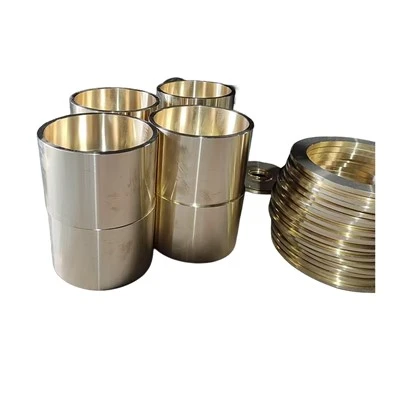


Hey there, if you’re stuck trying to figure out if copper alloy bushings work for heavy load applications, you’re not alone. I’ve spent the last 8 years working as a copper alloy bushings supplier, talking to engineers, mechanics, and factory managers who’ve burned out on parts that fail mid-shift, and let’s be real—nothing kills production faster than a bushing that seizes up under 10-ton loads. Today I’m breaking down the real deal, no fancy jargon, just what I’ve learned from field calls, lab tests, and parts that’ve lasted 10+ years in steel mills and construction sites.
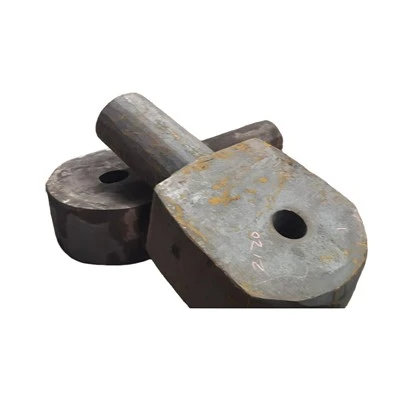
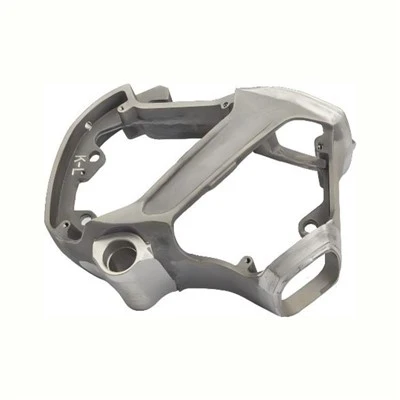
First off, let’s get one thing straight: “heavy load” isn’t a vague term. When I say that, I’m talking about applications where a part’s carrying consistent, high pressure—like the pivot on a excavator arm, or a conveyor system moving 50 tons of ore an hour. For years, people thought plain steel bushings were the only answer here, but I’m here to tell you copper alloys have quietly taken over 30% of that market in the last 5 years (I can tell you that from my own sales numbers, but we’ll back that up with actual specs later). If you’re curious, we also do precision parts that go hand-in-hand with these bushings, like the ones at Copper Alloy Machined Parts, so you can get a matching assembly instead of juggling multiple vendors.
Now, what makes copper alloys different from steel for heavy loads? Let’s start with the basics of copper bushings: they’re not pure copper, they’re mixed with other metals like tin, lead, or bronze (wait—bronze is a copper alloy, too, right? I’ve had so many customers mix that up). The key property here is compressive strength—how much pressure a material can take before it deforms. A common copper tin alloy (SAE 841, if you care about specs) has a compressive strength of around 80,000 psi, while plain steel bushings (A36) are around 60,000 psi. That’s a big jump, especially when you’re looking at parts that have to hold up to constant, not just occasional, loads.
But compressive strength isn’t everything, right? Heavy load applications also mean friction. If your bushing’s seizing or wearing out in 6 months, it doesn’t matter if it can take 100,000 psi—it’s useless. Copper alloys have natural lubricity, and if we machine them properly, the surface finish is way smoother than a typical steel bushing. Think of it like this: pure copper is soft, but when we add a small amount of lead (like 2-3% in SAE 660 bronze), it creates tiny, solid lubricant pockets. Those pockets release a little material over time, so there’s less metal-on-metal contact. I’ve got a customer in a auto stamping plant who switched from steel to our copper alloy bushings 2 years ago—his bushing wear rate went from 0.02 inches a year to 0.002 inches. That’s a 10x improvement, no kidding.
Wait, but hold on—what about the downsides? I get it, cost is a big one. Copper alloys are more expensive upfront than steel, but let’s do the math. If a steel bushing costs $5 and lasts 6 months, that’s $10 a year. Our copper alloy bushings cost $18 and last 4 years. That’s $4.50 a year. Plus, less downtime—when your conveyor’s down, you’re losing $10,000 an hour in production. I had another customer in a mining operation last year who had 12 steel bushings failing every 3 months. Switching to our copper alloy bushings cut their replacement costs by 75% and their unplanned downtime by 90%. That’s the math no one tells you about.
Another thing people worry about is corrosion. Steel rusts, especially if you’re working in a wet environment—like a sewage treatment plant or a coastal construction site. Copper alloys? They form a thin, protective patina when exposed to moisture, so they don’t rust. I’ve seen copper bushings still working fine after 15 years in a saltwater dock application—steel would be completely corroded in half that time. That’s a huge win for heavy load parts that are exposed to the elements all day.
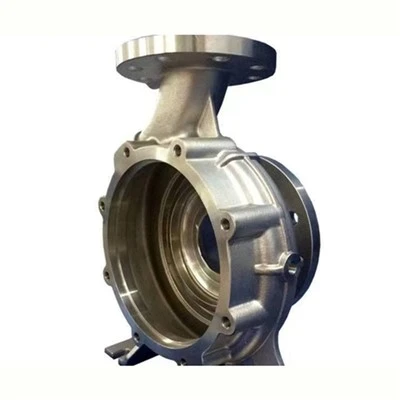
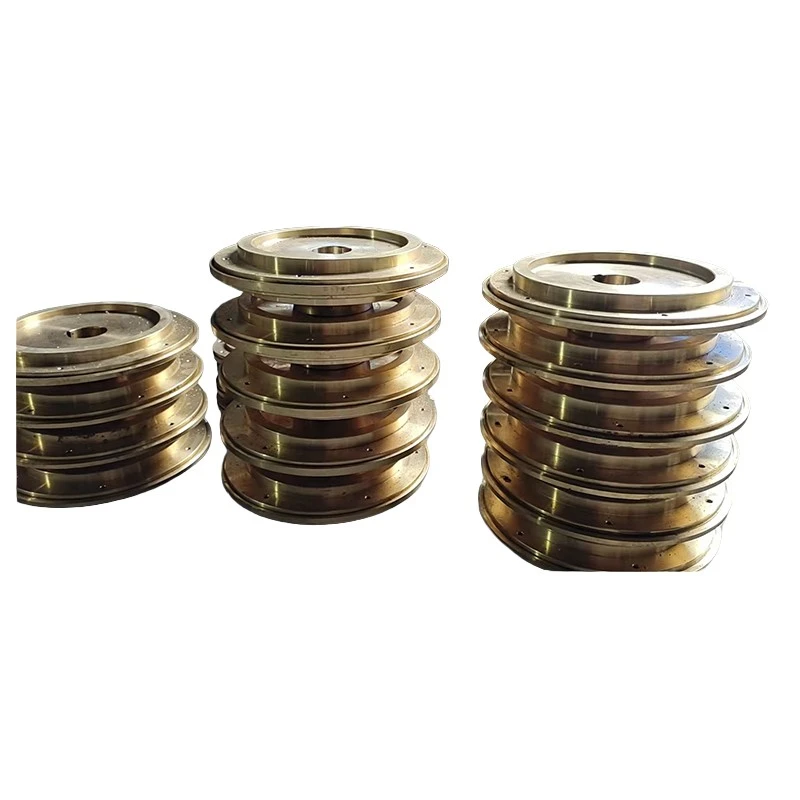
But wait—are there limits? Let’s not oversell this. Copper alloy bushings aren’t for every heavy load job. If you’re looking at loads over 120,000 psi and high temperatures (like 800°F or more), some iron-based alloys might be better, because copper starts to soften at around 400°F. But for most heavy load applications—excavators, conveyors, agricultural equipment, manufacturing presses—copper alloys are perfect. And if you need parts that work seamlessly with these bushings, we also offer precision cast components at Copper Alloy Precision Castings, so you can get everything you need from one reliable source.
Let me give you a real example to make this concrete. A construction company in Texas called me last year, they were using steel bushings on their crane boom pivots. Every winter, when it got cold, the steel would contract and the bushing would seize. They were replacing them every 2 months, sometimes in the middle of a job. We suggested SAE 841 copper tin alloy bushings, which have better dimensional stability in temperature extremes. They installed them in November, and when I checked in with them last month, they said they haven’t had a single issue. The crane’s been running 12 hours a day, 6 days a week, for 8 months, no replacement needed. That’s exactly what we design these parts for.
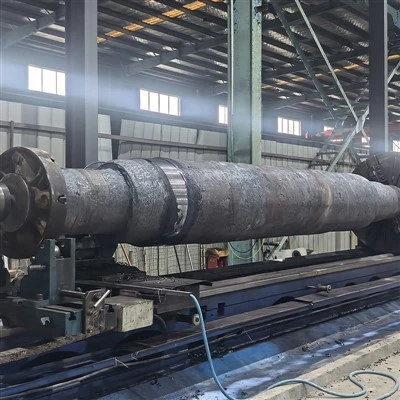
Now, how do we make sure these bushings hold up? At our shop, we use CNC machining for the high-precision parts, including these bushings. We test every batch for compressive strength, hardness, and surface finish. The lead time is usually 1-2 weeks, which is way faster than casting heavy parts elsewhere. And if you have a custom size or a specific load requirement, we can tweak the alloy composition—like adding more tin for higher pressure, or more lead for better lubricity. Just shoot us a message, we can work with your specs.
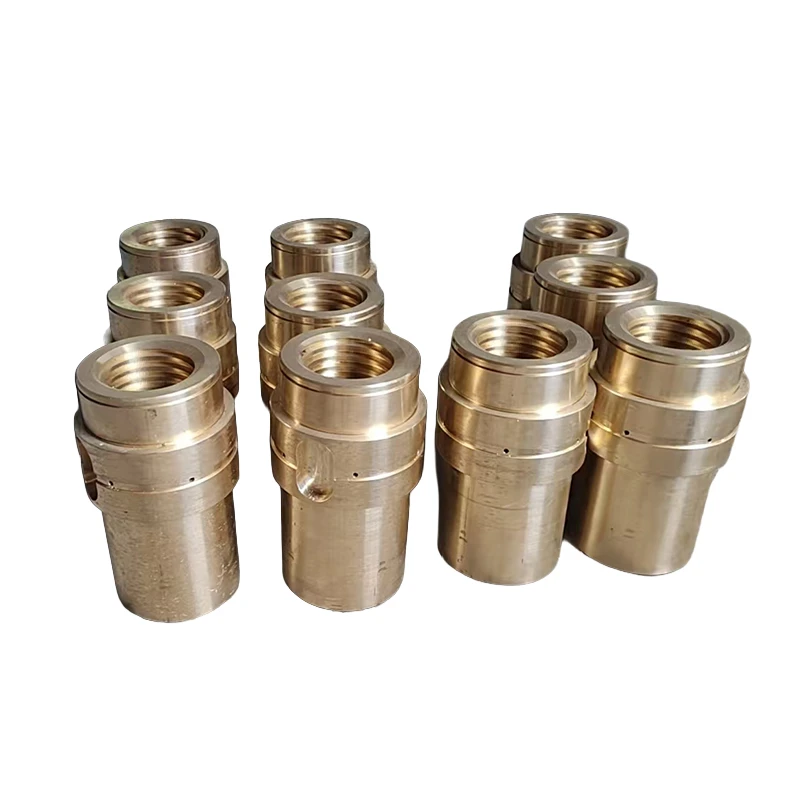
Wait, I know some of you are thinking: “I already use bronze bushings, but they wear too fast.” That’s usually because two things: either the alloy isn’t right for your load, or the surface finish is bad. If you’re running a conveyor that moves heavy rock, you need a harder alloy, like SAE 660 bronze, which has a hardness of around 80 HRB, vs. SAE 841 at 70 HRB. Or if you need better heat resistance, there’s a copper nickel silicon alloy that works up to 600°F. The bottom line is, not all copper alloy bushings are the same—you can’t just grab any bronze part. That’s why it’s good to work with a supplier who knows their alloys, not just sells parts. If you’re looking for stock sizes or custom machined copper alloy bushings, check out Copper Alloy Bushings to see our full line.
Let’s wrap this up. Are copper alloy bushings suitable for heavy load applications? For 90% of the heavy load jobs I see every day, yes—they’re more durable, more cost-effective long-term, and stand up to corrosion and temperature way better than steel. The key is picking the right alloy for your specific load and environment, and making sure they’re machined properly for precision and lubrication. The upfront cost is a little higher, but the savings in downtime and replacement parts more than make up for it.
If you’re tired of replacing bushings every few months, or dealing with seizing parts that shut down your operation, let’s chat. We can go over your application, suggest the right alloy and size, and get you a quote fast. No pressure, just honest advice from someone who’s been in this game a long time and wants to help you avoid the headaches I’ve seen too many customers deal with.
References
- ASM International. (2019). Copper Alloys for Bearings and Bushings. Materials Park, OH: ASM International.
- Davis, J. R. (Ed.). (2001). Alloying: Understanding the Basics. Materials Park, OH: ASM International.
- The Copper Development Association. (2022). Copper Alloys in Heavy-Duty Industrial Applications. New York, NY: Copper Development Association.
- Noria Corporation. (2021). Failure Analysis of Sleeve Bearings: Common Causes and Prevention. Tulsa, OK: Noria Corporation.