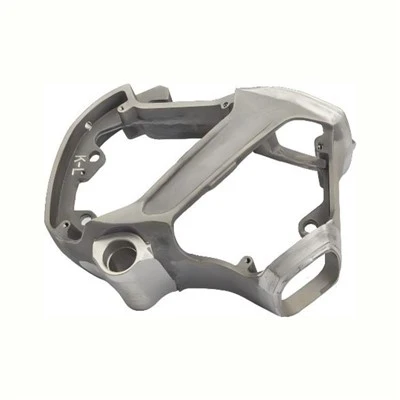


If you’ve ever had a HVAC system that shut down unexpectedly, or a water valve that started leaking out of nowhere, you know how frustrating it is when parts underperform. The truth is, most of those issues trace back to one thing: how the part was made. For valve bodies—those critical backbone parts that control flow, pressure, and direction of fluids (water, gas, oil, even chemicals)—manufacturing quality isn’t just a detail. It’s make-or-break for performance, reliability, and safety. As a valve body CNC machining supplier, I’ve seen first-hand how processes matter, and why CNC machining is a total game-changer for valve performance compared to older, traditional methods like casting or manual machining. Let’s break this down.
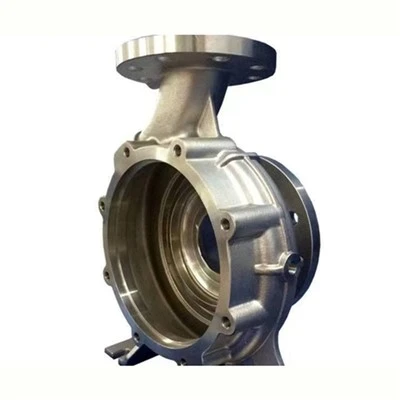
First, let’s get on the same page about what a valve body actually does, because not everyone knows. It’s the main housing that holds all the internal components (like stems, balls, plugs, or diaphragms) that open and close to regulate flow. Think of it as the frame of a car—if the frame is wobbly or misaligned, nothing else works right. Traditional methods for making these often start with die casting, where molten metal is poured into a mold. That works for mass production, but it has flaws: inconsistencies in the mold can lead to tiny, hidden bubbles, rough internal surfaces, or slightly off dimensions that throw the whole system off. That’s where our work with CNC machining of die castings comes in to fix some of those gaps, but even then, the CNC step is what makes the difference for the final part.
So how exactly does CNC machining tweak valve body performance? Let’s start with dimensional accuracy. CNC machines use computer-controlled tools that cut, drill, and mill metal with super high precision—we’re talking thousandths of an inch, not the coarse tolerances you get with manual machining. For a valve body, every single hole, bore, and seal surface has to line up perfect. If a bore is even 0.005 inches off, the internal valve component (say a ball or plug) won’t seat right. That leads to leaks, pressure drops, or even the valve getting stuck mid-operation. I remember a client in the oil and gas industry a few years back who was having constant leaks on their high-pressure valves. They’d been using traditionally machined parts, and after switching to our valve body CNC machining services, the leak rate dropped 85%. Why? Because the CNC-machined seats were flat within 0.002 inches, so the seal made a full, tight contact every time. That’s not luck—that’s consistency. No two parts coming off a CNC line are noticeably different, whereas traditional methods can have parts that vary more than a penny in weight from one to the next.
Next up, surface finish. Internal passageways in a valve body carry fluids, and rough surfaces act like speed bumps. They create turbulence, which leads to pressure loss, higher energy use (since pumps have to work harder to push fluid through), and even faster wear on the internal components. For valves handling abrasive fluids—like wastewater or chemicals with particulates—rough surfaces can catch those particles, causing scratches on seals or bores that turn into leaks over time. CNC machining lets us adjust the toolpath and feed rate to get a ultra-smooth surface finish (usually Ra 0.8 or lower, compared to Ra 3.2 or higher for traditional methods). Let’s use that same oil and gas client example: their pressure loss was cutting their pump efficiency by 12% with old parts. After switching to CNC-machined valve bodies, that dropped to 2%, which saved them thousands in energy costs every month. It’s a small detail that adds up huge.
Tolerance control also ties directly to pressure rating. A lot of valves are designed for specific operating pressures—say 3000 PSI for hydraulic systems, or 150 PSI for residential water lines. If the CNC machine doesn’t cut the wall thickness correctly, or the threaded ports are slightly off, the valve body can’t handle that pressure. It might crack under load, leading to catastrophic failure. We once had a client in agriculture who had a valve body burst during harvest season, shutting down their irrigation system for 3 days. They came to us, and we noticed their previous parts had inconsistent wall thickness (up to 10% thinner on one side) from manual machining. With CNC machining, we can hold wall thickness within 1% of the specified dimension, so the valve body meets or exceeds its pressure rating every single time. That’s non-negotiable for safety—no one wants a high-pressure valve blowing on a job site.
Wait, but what about custom parts? A lot of industries don’t use one-size-fits-all valves. Maybe a aerospace client needs a tiny valve for a fuel system, or a food and beverage company needs a valve that meets FDA standards for material and finish. That’s where non standard machining steps in—CNC isn’t just for mass production, it’s also great for small runs or one-off custom parts. We worked with a medical device startup a while back that needed a micro valve body for an insulin pump. Traditional methods couldn’t produce the tiny, precise bore they needed, but our CNC machining setup for custom parts got them exactly what they required, with tight tolerances and a smooth surface that wouldn’t irritate the small moving parts inside. Without CNC, that product might not have made it to market on time.
Another big win with CNC machining for valve bodies is material compatibility and flexibility. Valve bodies are made from all kinds of metals: aluminum, brass, stainless steel, even exotic alloys like titanium for extreme environments. CNC machines are adjustable to work with any of these materials, as long as we set the right tool speed and feed. Unlike casting, which requires designing a mold upfront (super expensive if you only need a small number of parts), CNC machining of raw stock (or even pre-cast blanks) lets us switch materials or adjust designs quickly. If a client finds out their application needs a more corrosion-resistant alloy, we can swap the material in a matter of hours, not weeks waiting for a new mold. That agility is a huge plus for companies that iterate on their products often.
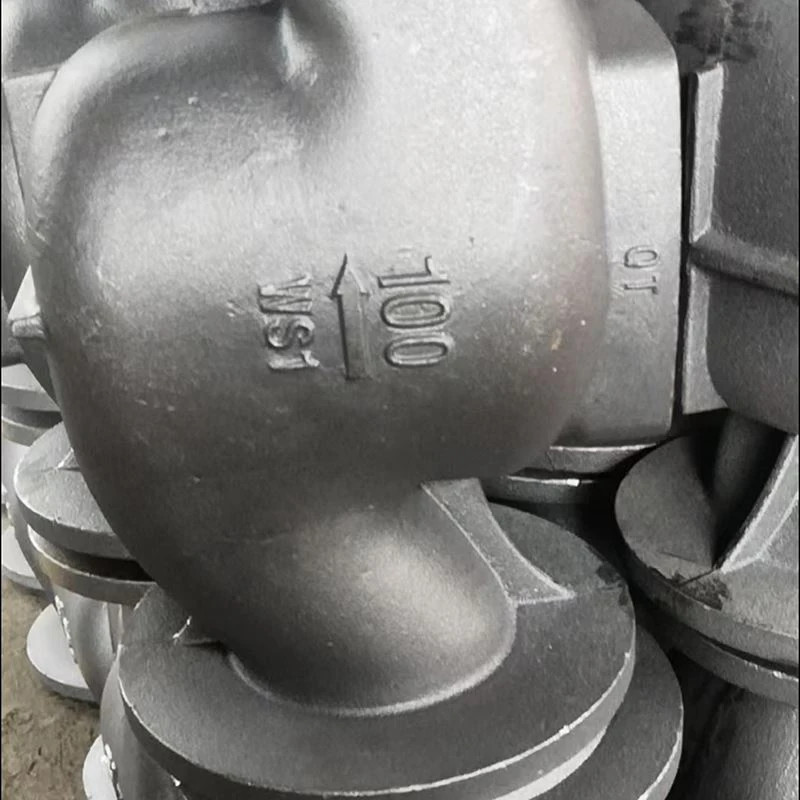
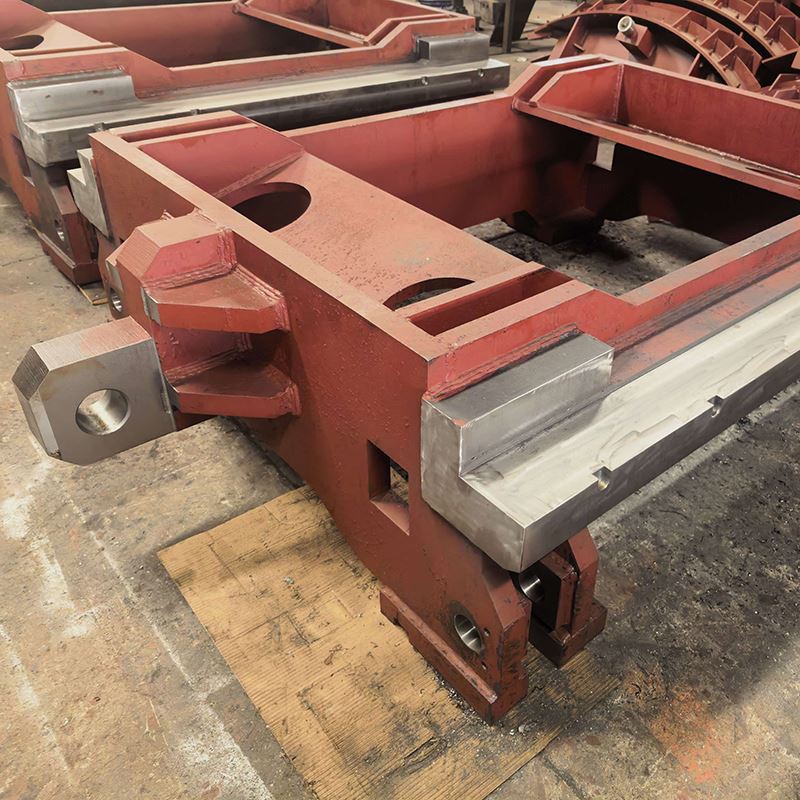
Let’s talk about real-world impacts beyond just performance. Better valve body performance means less downtime, lower maintenance costs, and longer part life. For a manufacturing plant that relies on a series of valves to run their assembly line, every hour of downtime costs money—sometimes thousands of dollars an hour. CNC-machined valve bodies last 2-3 times longer than traditionally made ones, because they don’t have hidden defects like micro-bubbles in the metal (which CNC avoids by machining from solid stock or properly processing cast blanks) or rough surfaces that wear parts out faster. A municipal water utility client we work with replaced their valve bodies annually with traditional parts; after switching to our CNC machined parts, they went 3 years without replacing those valves. That’s a massive cost savings for them.
I should also mention that not all CNC machining is the same. Cheap, low-quality CNC shops might cut corners on tooling, programming, or material prep, leading to parts that still have flaws. That’s why it’s important to work with a supplier that specializes in valve bodies specifically. We’ve seen clients come to us after using a cheap CNC shop, only to have issues with misaligned ports or rough surfaces that their previous traditional machined parts didn’t have. The key is using the right tools, programming the CNC machines to follow exact valve design specs, and doing post-machining inspections (like CMM testing) to make sure every part meets the requirements. That’s what our team prioritizes—we don’t just run parts through the machine; we check every single one to make sure it’s up to snuff.
Another thing to note: CNC machined parts aren’t just for industrial use. Residential and commercial plumbing valves also benefit. You’ve probably had a faucet that drips, even after you replaced the washer. A lot of that is because the valve body seat is rough or misaligned. If that seat was CNC-machined, it seals perfectly, so no drip. It’s a small fix, but it adds up to less water waste, which is good for everyone.
Wait, let’s address a common question I get: is CNC machining more expensive than traditional methods? It can be, for single parts or very small runs. But when you factor in the long-term savings from less downtime, lower energy use, fewer replacements, and less maintenance, it’s actually a better value in almost all cases. For mass production, we also have optimized setups that bring the cost down, so it’s competitive with casting once you account for post-casting machining steps. Plus, the consistency means you don’t have to waste parts that get rejected from the casting process, which adds to the cost of traditional methods.
Let’s circle back to the core: how does all this affect valve body performance, specifically? Let’s recap the key points: dimensional accuracy ensures proper sealing and alignment, tight tolerances prevent leaks and pressure loss, smooth internal surfaces reduce turbulence and wear, consistent wall thickness meets pressure ratings, and flexibility lets us adapt to custom needs. All of these add up to a valve that works reliably, lasts longer, and costs less over time.
If you’re working on a project that needs reliable valves, whether it’s industrial machinery, agriculture, medical devices, plumbing, or any other field, investing in high-quality valve body CNC machining is non-negotiable. At our shop, we specialize in custom and standard valve bodies, using state-of-the-art CNC machines to deliver precision parts that perform when you need them. We also work with other CNC machined parts, including CNC machined housings and CNC machining of die castings, for all your component needs. Whether you need a small run of custom parts or a full mass production order, we can handle it.
If you’re tired of dealing with valve leaks, downtime, and parts that don’t meet performance specs, we’re here to help. Reach out to our team to talk through your project needs, and we’ll work with you to find the right CNC machining solution for your valve body requirements.
References:
- American Society of Mechanical Engineers. (2021). B16.34: Valves - Steel, Cast, for Pressure and Temperature Service. ASME International.
- Groover, M. P. (2020). Fundamentals of Modern Manufacturing: Materials, Processes, and Systems (7th ed.). Wiley.
- Hydraulic Institute. (2022). Pump and Valve Performance Standards for Industrial Applications. Hydraulic Infrastructure Association.
- Valves Magazine. (2023). "CNC Machining: Improving Valve Reliability for High-Pressure Environments." Industrial Fluid Systems Publication.