
As modern manufacturing continues to move toward greater precision, automation, and digitalization, machining has become an essential part of industrial production. As a fundamental manufacturing process, machining is used to shape components, control dimensions, and improve surface quality. It is widely applied across automotive manufacturing, industrial machinery, energy equipment, aerospace, electronics, and many other sectors.
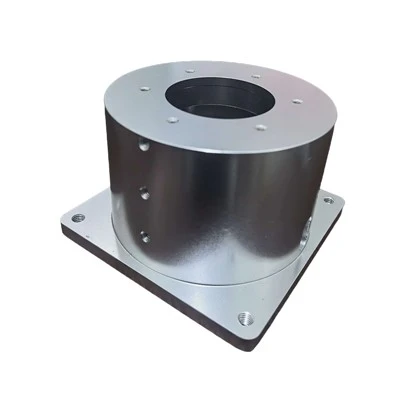
Machining generally refers to the use of machine tools, cutting tools, abrasives, and other processing equipment to remove or modify material from metals, plastics, and other engineering materials. Common operations include turning, milling, drilling, and grinding. These processes allow raw materials or preformed components to achieve the required dimensions, geometry, tolerances, and surface finish. Compared with processes that primarily shape material through casting or forming, machining places greater emphasis on dimensional accuracy and the precise relationship between mating components.
Turning, milling, drilling, and grinding are among the most common machining processes used in industrial production. Turning is typically used for rotational components such as shafts and cylindrical parts, with a cutting tool removing material as the workpiece rotates. Milling can produce flat surfaces, slots, steps, and complex profiles, offering considerable flexibility for component manufacturing. Drilling is primarily used to create holes, while grinding is often applied when tighter dimensional tolerances and improved surface finishes are required.
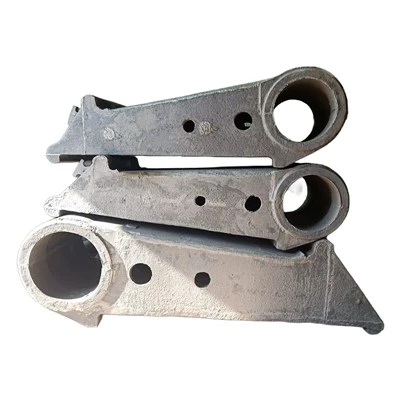
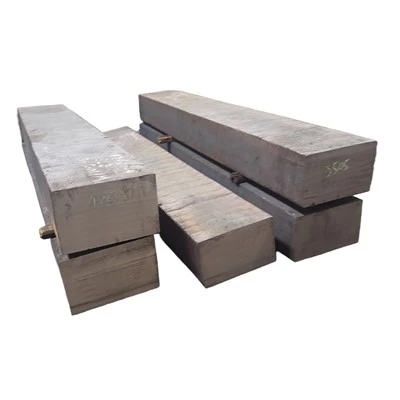
Machining is also widely used as a secondary process for castings, forgings, and other near-net-shape components. By selectively removing excess material, manufacturers can correct dimensional variations from earlier forming processes and achieve the tolerances required for assembly. In precision equipment, machining accuracy can directly influence transmission efficiency, operating stability, component compatibility, and overall service life.
The rapid adoption of CNC machine tools, automated production lines, and intelligent inspection systems is further transforming machining operations. Computer numerical control enables precise and repeatable processing, while automated measurement and digital production management can help identify deviations and improve process consistency.
Industry professionals note that machining is evolving from conventional standalone operations toward flexible, connected, and intelligent manufacturing. With continued advances in high-precision equipment, cutting tools, process control, and digital technologies, machining is expected to play an increasingly important role in improving component quality, production efficiency, and the overall capabilities of modern manufacturing.