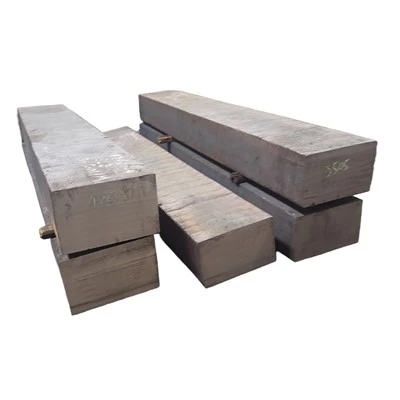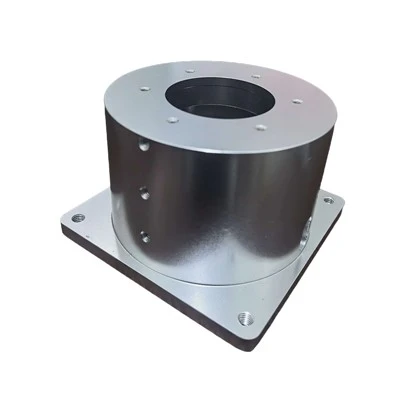

As industries such as automotive manufacturing, machinery, energy equipment, construction machinery, and aerospace continue to demand higher-performing components, selecting the right metal forging has become an important part of equipment design and procurement. A suitable forging must meet dimensional and structural requirements while also matching the operating environment, mechanical loads, and expected service life of the application. A comprehensive evaluation is therefore essential when choosing forged components.
Material properties are among the first factors to consider. Common forging materials include carbon steel, alloy steel, stainless steel, aluminum alloys, and titanium alloys. These materials differ in strength, toughness, corrosion resistance, high-temperature performance, and weight. Steel forgings are often preferred for components exposed to heavy loads or impact because of their strong mechanical properties. In weight-sensitive applications such as automotive and aerospace manufacturing, aluminum and titanium alloys may offer an attractive combination of low weight and high performance when properly matched to the operating conditions.
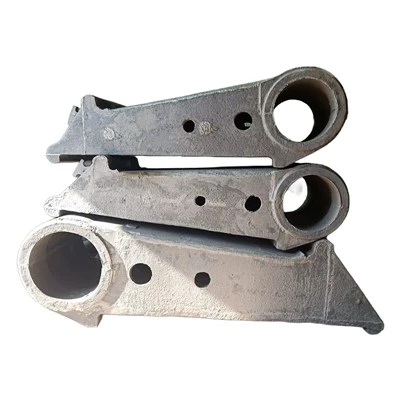
Component geometry is another important consideration. Shafts, gears, flanges, connecting rods, and other forged parts have different load-bearing characteristics and design requirements. Factors such as overall dimensions, cross-sectional shape, connection method, and operating loads should be evaluated when selecting an appropriate forging process. For complex components or applications requiring tight dimensional tolerances, the supplier's die design and precision forging capabilities should also be carefully reviewed.
Manufacturing processes and quality control have a direct influence on the performance of forged components. Hot, warm, and cold forging provide different forming characteristics and should be selected according to the material and component requirements. Buyers should also consider whether the forgings undergo appropriate heat treatment and whether the manufacturer performs dimensional inspection, hardness testing, and non-destructive testing when required.
Supplier capabilities are equally important. Reliable production equipment, well-controlled manufacturing processes, effective quality management, and consistent delivery performance can help reduce quality variations during long-term or high-volume use. A supplier with strong technical expertise can also provide recommendations on material selection and process optimization.
Industry professionals emphasize that price alone should not determine the selection of a metal forging. A more effective approach is to evaluate material properties, component design, manufacturing methods, quality requirements, and operating conditions as a complete system. As precision forging and smart manufacturing continue to advance, the selection of forged components is expected to place greater emphasis on the balance between performance, dimensional accuracy, cost efficiency, and long-term value.