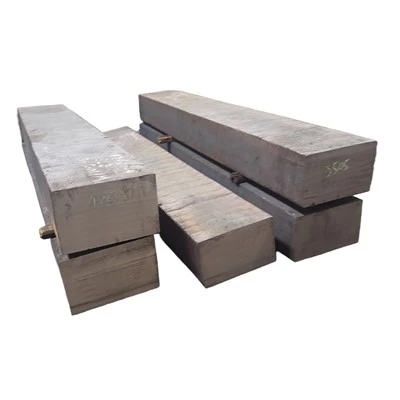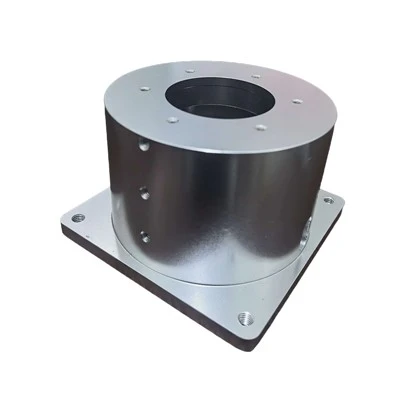

As modern manufacturing continues to move toward higher strength, lighter structures, and greater precision, metal forgings are becoming increasingly important in automotive systems, machinery, energy equipment, construction machinery, aerospace, and other demanding industries. Compared with some other metal-forming methods, forging uses controlled plastic deformation to shape solid material and can improve its internal structure, helping components achieve strong mechanical performance and reliable service life.
High strength is one of the most important advantages of forged components. During the forging process, a metal billet is subjected to controlled compressive forces, causing plastic deformation and changes in the grain structure and material flow. With proper process control, forgings can achieve a dense and consistent structure with favorable grain flow, contributing to higher load-bearing capacity. This is why shafts, gears, connecting rods, flanges, and other heavily loaded components are frequently manufactured through forging.
Good toughness and fatigue resistance are also key benefits. Components used in machinery are often exposed to repeated loading, impact, vibration, and other demanding conditions. High-quality forgings produced with suitable materials and carefully controlled processes can minimize the impact of certain internal discontinuities and maintain stable mechanical performance over extended periods of operation. This makes forged components particularly valuable for applications where long-term reliability is essential.
Another advantage is the broad range of materials that can be processed through forging. Steel, aluminum alloys, titanium alloys, and other metals can be forged using processes tailored to their specific characteristics. By selecting the appropriate alloy, manufacturers can balance strength, weight, corrosion resistance, and high-temperature performance according to the requirements of the final application.
Precision forging also offers benefits in terms of dimensional control and material efficiency. With optimized die design and process parameters, some forged components can be produced close to their final dimensions. This can reduce machining allowances, improve material utilization, and minimize material waste during subsequent manufacturing operations.
Industry professionals emphasize that the advantages of metal forgings extend well beyond strength. Their dense material structure, stable mechanical properties, fatigue resistance, and overall reliability make them highly suitable for demanding industrial applications. As precision forging, automation, process monitoring, and digital manufacturing technologies continue to advance, forged components are expected to play an increasingly important role in high-performance and lightweight component manufacturing.