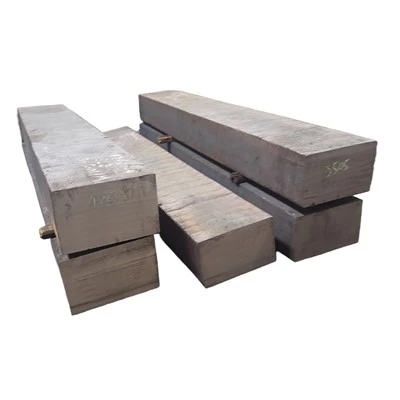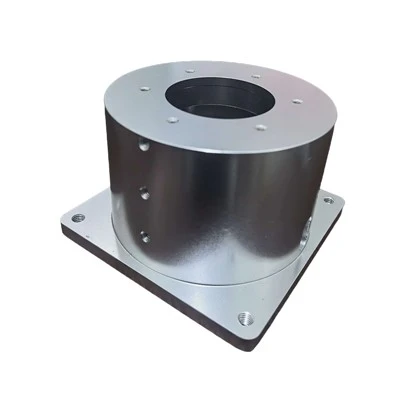

Metal forgings are widely used in automotive manufacturing, machinery, energy equipment, construction machinery, aerospace, and other demanding industries. Their high strength, toughness, and fatigue resistance make them particularly suitable for critical components that must withstand significant mechanical loads. Depending on the material, forming temperature, manufacturing method, and component design, forged parts can be produced in a variety of forms. Understanding these differences helps manufacturers select the most appropriate solution for each application.
Steel forgings are among the most widely used types in industrial manufacturing. Carbon steel and alloy steel can achieve excellent strength and toughness through controlled forging processes, making them suitable for shafts, gears, connecting rods, flanges, and structural components used in heavy machinery. Aluminum alloy forgings offer a lower density while maintaining favorable mechanical performance, making them increasingly attractive for automotive, aerospace, and transportation applications where weight reduction is important.
Titanium alloy forgings are valued for their high strength-to-weight ratio and excellent corrosion resistance. They are commonly used in aerospace, energy systems, and other advanced engineering applications where both performance and weight are critical considerations. Copper alloy forgings provide good electrical and thermal conductivity along with strong corrosion resistance, making them suitable for electrical connectors, valves, and selected mechanical components.
Forgings can also be classified according to processing temperature. Hot forgings are formed at elevated temperatures, which improves material ductility and makes the process suitable for large or complex components. Warm forging takes place at intermediate temperatures and offers a balance between formability and dimensional control. Cold forging is performed near room temperature and can provide excellent dimensional accuracy and surface finish, particularly for smaller precision components.
Another common classification is based on the forming method. Open-die forgings are produced using relatively simple tooling and offer considerable flexibility, making them suitable for large components and low-volume production. Closed-die forgings use shaped dies to control material flow and can provide greater dimensional consistency and production efficiency, making them well suited to high-volume manufacturing.
Industry professionals note that each type of metal forging has its own advantages and application range. Material properties, component geometry, operating loads, production volume, dimensional requirements, and cost all need to be considered when selecting a forging solution. As precision forging, automation, and advanced manufacturing technologies continue to evolve, manufacturers will have access to an increasingly broad range of forged components for modern industrial applications.