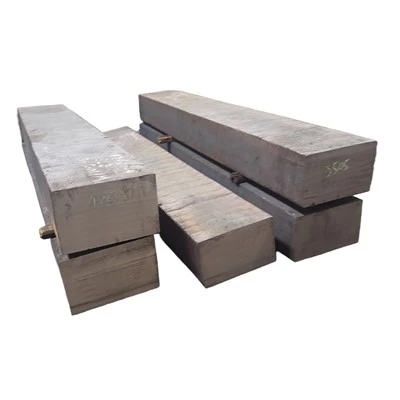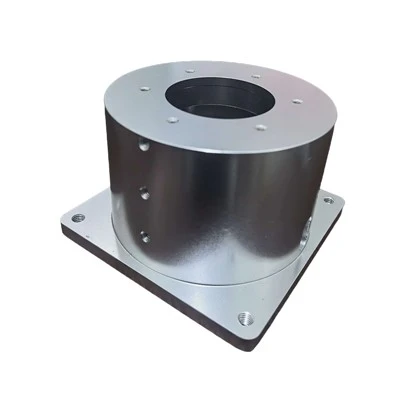

As modern manufacturing continues to demand higher strength, lighter structures, and greater reliability, metal forgings are being used across an expanding range of industrial applications. Their strong mechanical performance and robust structural integrity make them particularly suitable for components exposed to heavy loads, impact, and repeated stress. The controlled deformation used during forging can also produce a dense and consistent material structure, supporting long-term component reliability.
The automotive industry is one of the major application areas for forged components. Crankshafts, connecting rods, steering components, wheel hubs, and selected drivetrain and chassis parts can all be manufactured through forging. These components are subjected to continuous mechanical loads and impact during vehicle operation, making strength, toughness, and fatigue resistance essential. As electric vehicle production continues to grow, lightweight forged components made from aluminum alloys and other advanced materials are also attracting increasing attention for vehicle structures and drivetrain systems.
In machinery manufacturing, forged components are widely used for gears, shafts, flanges, fasteners, and other highly loaded structural parts. Components that must withstand torque, pressure, or repeated loading can benefit from the strength and durability provided by forging. By optimizing the forging process and material flow, manufacturers can also improve material utilization while producing components that meet specific mechanical and structural requirements.
The energy sector represents another important market for high-performance forgings. Shafts, flanges, connectors, and other critical components used in power generation equipment, wind turbines, oil and gas facilities, and related energy systems may operate under high temperatures, high pressures, and complex mechanical loads. These demanding conditions require forgings with consistent material properties and reliable quality.
Metal forgings are also widely used in construction machinery, mining equipment, rail transportation, and aerospace. Heavy equipment relies on forged load-bearing components that can withstand impact and fatigue, while aerospace applications place particular emphasis on lightweight construction, high strength, dimensional accuracy, and long-term reliability.
Industry professionals expect the use of metal forgings to continue expanding as advanced forging technologies, automation, and new materials develop. By optimizing material selection, component geometry, and manufacturing processes, forged parts can better meet the demanding requirements of modern equipment for strength, durability, and weight reduction, providing reliable support for high-performance industrial manufacturing.