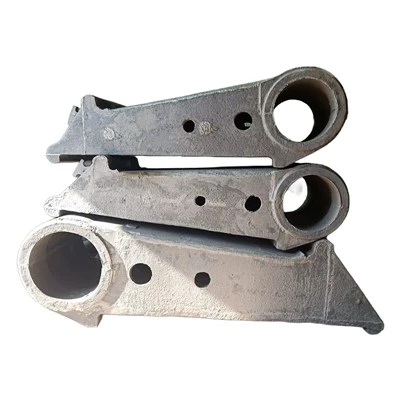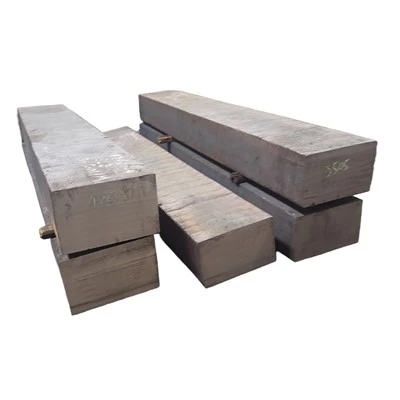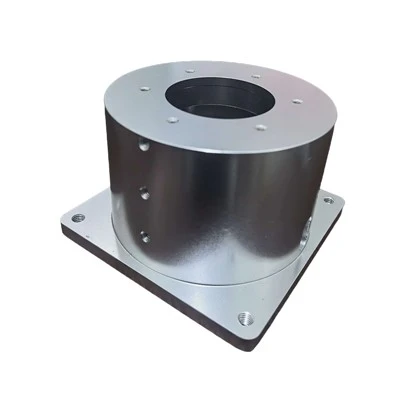

As modern manufacturing moves toward higher performance, lighter structures, and greater precision, metal forgings are becoming increasingly important in automotive systems, machinery, energy equipment, aerospace, and construction machinery. Produced through controlled plastic deformation, forged components offer distinctive advantages in material structure, mechanical performance, and structural reliability.
High strength is one of the defining characteristics of forged metal components. During forging, a solid metal billet is subjected to controlled compressive forces that cause permanent deformation and alter its internal structure. When the process is properly controlled, the resulting grain structure becomes more refined and uniform, while the grain flow follows the general geometry of the component. This can improve load-bearing capacity and make forgings well suited to shafts, gears, connecting rods, and other components exposed to significant mechanical loads.
Good toughness and fatigue resistance are also important advantages. The forging process can produce a dense and consistent material structure, reducing the impact of certain internal discontinuities that may occur in other manufacturing processes. High-quality forgings are therefore well suited to applications involving repeated or impact loading, where long-term structural stability and dependable performance are essential.
Another notable characteristic is the broad range of materials that can be forged. Steel, aluminum alloys, titanium alloys, and various other metals can be processed using forging methods tailored to their specific properties. This material flexibility allows manufacturers to select alloys according to requirements such as strength, weight, corrosion resistance, and high-temperature performance.
Advances in precision forging have also improved dimensional control and surface quality. Through optimized die design, accurate equipment control, and carefully planned secondary machining, manufacturers can produce components that meet demanding dimensional and assembly requirements. Near-net-shape forging can also reduce the amount of material removed during machining, improving material utilization and production efficiency.
Industry professionals point out that the advantages of metal forgings extend beyond high strength. Their dense material structure, consistent mechanical properties, and strong resistance to demanding service conditions make them valuable for critical industrial components. With continued advances in precision forging, automation, process monitoring, and digital manufacturing, forged components are expected to play an increasingly important role in high-performance equipment and other demanding industrial applications.