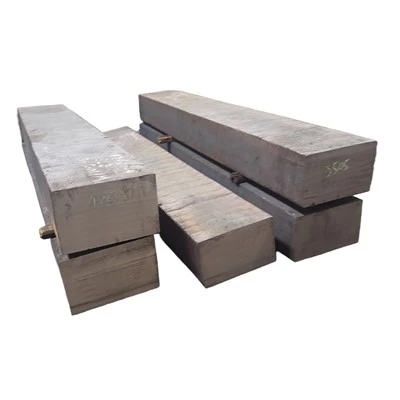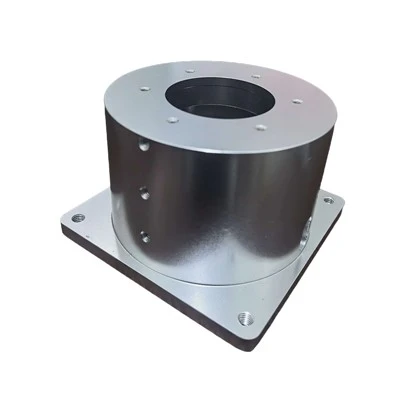

Metal castings are fundamental components in modern manufacturing, and the production method has a direct impact on dimensional accuracy, internal integrity, mechanical properties, and service life. As industries such as automotive manufacturing, machinery, energy, and construction equipment demand higher-performing components, conventional casting techniques are increasingly being combined with advanced manufacturing technologies, creating more flexible and efficient production solutions.
The manufacturing of a metal casting generally involves mold design, metal melting, pouring, cooling and solidification, mold removal, cleaning, and subsequent processing. Before production begins, engineers develop the mold and process design according to the component's geometry, material characteristics, and operating requirements. The selected metal is then melted to the required temperature and poured into the mold cavity, where it gradually cools and solidifies into the desired shape.
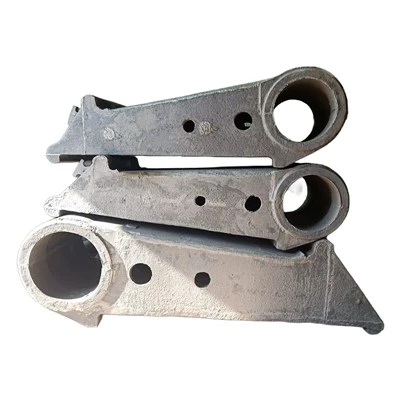
Sand casting is one of the most widely used casting methods because of its versatility and broad range of applications. It can accommodate components of different sizes and geometries and is suitable for large parts, complex shapes, and low- to medium-volume production. For components requiring intricate geometries and tighter dimensional control, investment casting can provide improved surface quality and greater precision through the use of carefully engineered molds and process conditions.
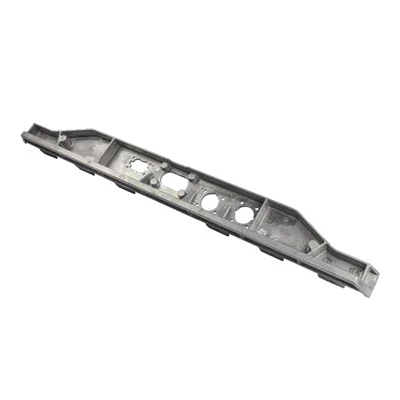
Die casting is commonly used for high-volume production of non-ferrous components, particularly those made from aluminum and zinc alloys. Molten metal is injected into the mold under high pressure, allowing manufacturers to produce thin-walled and complex components efficiently while maintaining consistent dimensions. Centrifugal casting uses rotational force to distribute molten metal within the mold and is commonly applied to cylindrical products such as pipes, sleeves, and other rotationally symmetrical components.
Casting does not end when the component is removed from the mold. Further operations may include cleaning, heat treatment, machining, and quality inspection. Heat treatment can improve properties such as strength, hardness, and toughness, while machining helps achieve the dimensional and assembly requirements of the finished component. Dimensional inspection and non-destructive testing can also be used to identify surface or internal defects and ensure that the casting meets the required quality standards.
Industry professionals note that modern casting production is no longer focused solely on forming components efficiently. Manufacturers are increasingly balancing precision, performance, production cost, and environmental considerations. Advances in casting simulation, automated production, process monitoring, and material technology are expected to further improve manufacturing efficiency and product consistency, providing more reliable cast components for a wide range of industrial applications.