
As modern manufacturing moves toward greater precision, automation, and flexibility, the range of machining processes used in industrial production continues to expand. Different machining methods are suited to different materials, component geometries, dimensional requirements, and production volumes. Selecting the right process can improve component quality, production efficiency, and material utilization.
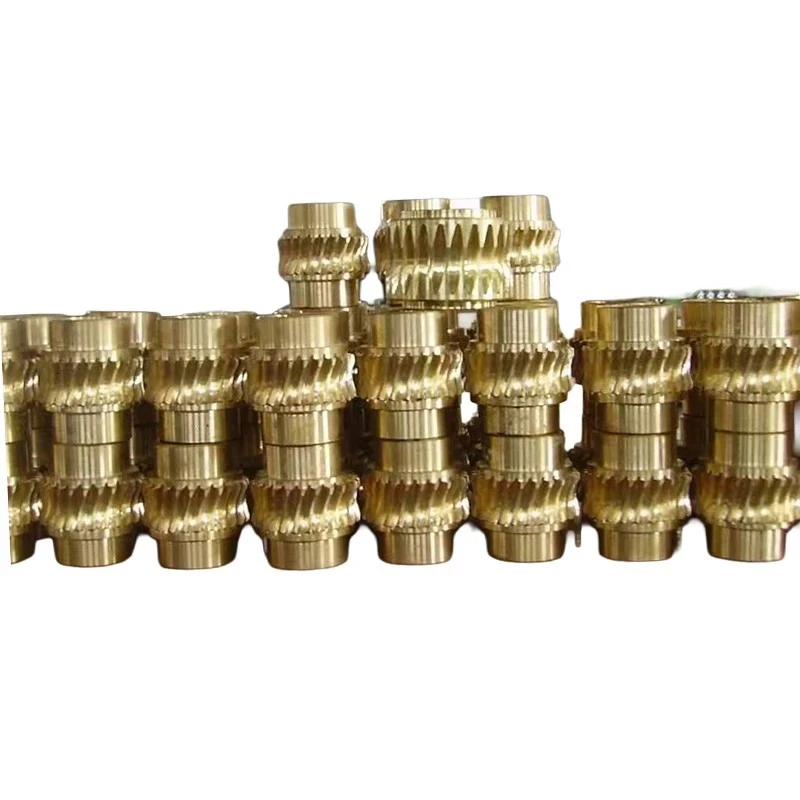
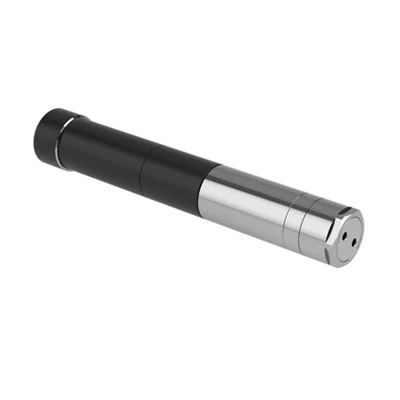
Turning is one of the most widely used machining processes and is primarily suited to rotational components such as shafts, sleeves, and disks. During turning, the workpiece rotates while a cutting tool follows a controlled path to remove material. This process can produce external diameters, internal bores, end faces, threads, and other rotational features. CNC turning is particularly effective for repetitive production because it provides consistent results and precise process control.
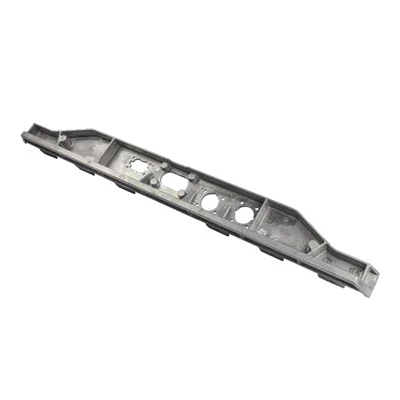
Milling offers considerable flexibility and can be used to produce flat surfaces, steps, slots, holes, and complex profiles. Different cutting tools and machine configurations allow manufacturers to process a wide range of component geometries. Milling is therefore widely used in mold manufacturing, industrial machinery, and precision component production.
Drilling is primarily used to create holes, including through holes, blind holes, and specialized openings. The position and dimensional accuracy of these holes can have a direct impact on the assembly and performance of the finished component. Boring is generally used to enlarge and finish existing holes, providing improved dimensional accuracy, positional accuracy, and surface quality.
Grinding is typically considered a precision finishing process. It is used when components require tight dimensional tolerances and low surface roughness. Grinding can correct small deviations left by previous machining operations and produce functional surfaces with a high degree of accuracy.
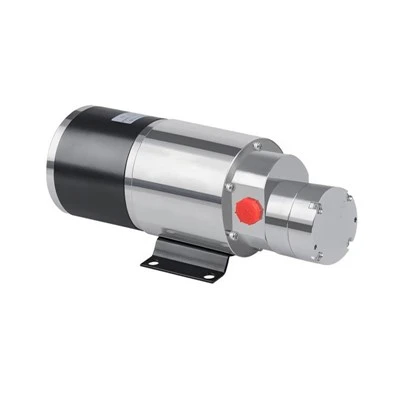
CNC machining has become an important part of modern manufacturing as computer-based machine control technology continues to advance. CNC systems can coordinate multiple machining operations with high repeatability, making them particularly useful for complex components and demanding production environments.
Industry professionals note that no single machining method can meet every manufacturing requirement. In many applications, several processes are combined to achieve the desired geometry, accuracy, and surface finish. As smart machine tools, automated production systems, and digital process management continue to develop, machining is expected to become increasingly precise, efficient, flexible, and data-driven.