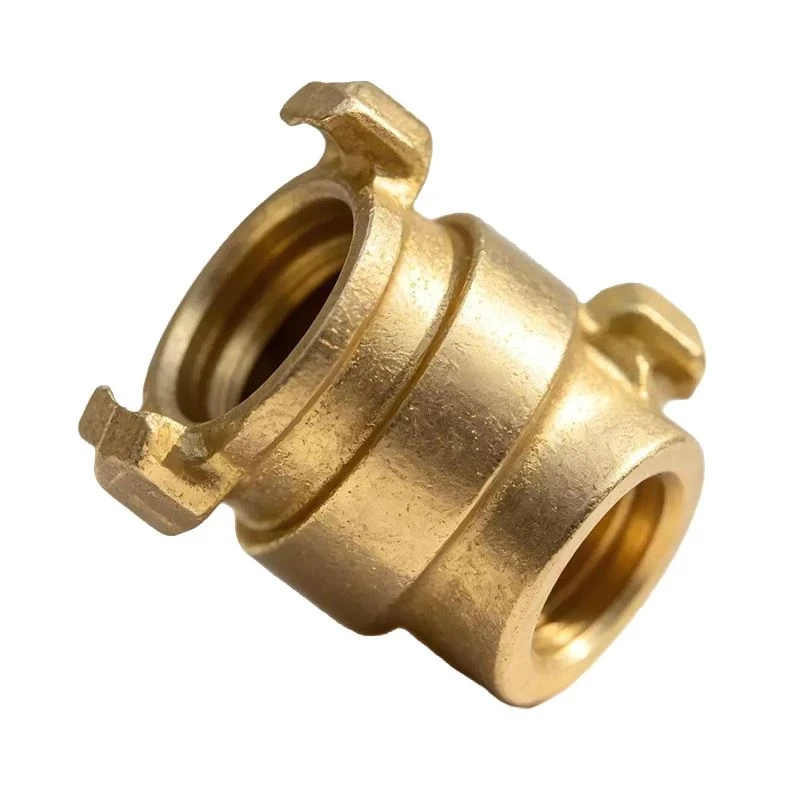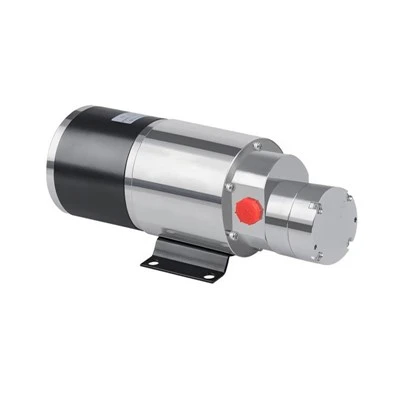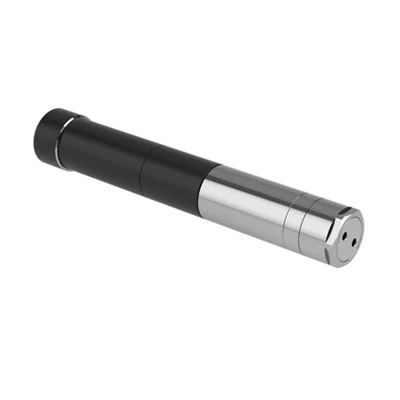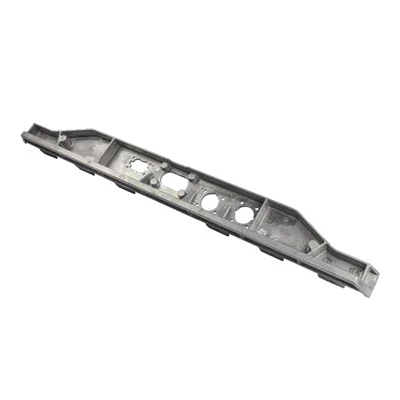

As copper and copper alloys continue to find applications in electrical equipment, machinery, automotive systems, energy infrastructure, and industrial automation, the manufacturing of copper components has become increasingly important. Copper offers excellent electrical and thermal conductivity, good corrosion resistance, and favorable machinability, making it suitable for connectors, valves, bushings, heat-dissipation components, and various mechanical parts. Manufacturing typically combines casting with subsequent finishing operations to achieve the required geometry, dimensions, and functional performance.
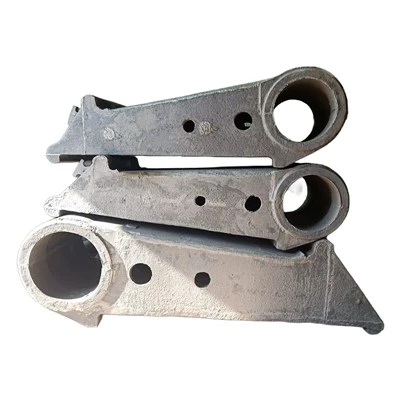
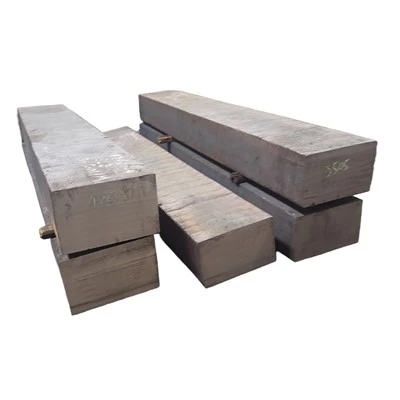
The basic principle of copper casting is to heat copper or a copper alloy until it reaches a molten state with sufficient fluidity for forming. After the alloy composition and molten metal condition have been properly controlled, the molten metal is poured or injected into a prepared mold cavity. As the metal cools, it solidifies and takes the shape defined by the mold. Once solidification is complete, the casting is removed from the mold, followed by operations such as removing gates and risers, cleaning the surface, and eliminating other casting residues.
Different casting processes can produce different levels of dimensional accuracy, surface quality, and internal structure. Sand casting is suitable for relatively complex components and smaller production volumes. Gravity casting is commonly used for a range of conventional copper alloy components, while die casting can provide efficient production of thin-walled or geometrically complex parts with good dimensional consistency and surface finish. The appropriate process depends on the alloy, component geometry, production volume, and required performance.
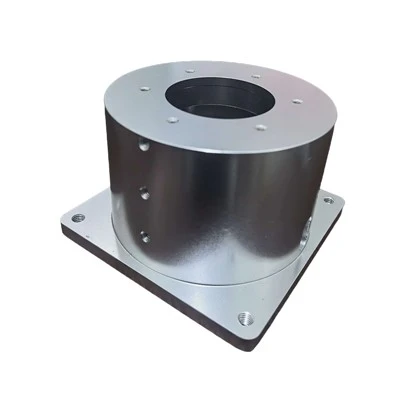
After casting, many copper components undergo machining to achieve their final dimensions and functional features. Processes such as turning, milling, drilling, boring, and grinding remove controlled amounts of material from the cast part. For products such as bushings, valve bodies, and connectors, machining accuracy is particularly important because it directly affects assembly quality, dimensional fit, and operating performance.
Product quality throughout the manufacturing process is influenced by several factors, including temperature control, mold design, molten metal flow, cooling conditions, cutting parameters, and machine tool performance. Combining a well-controlled casting process with precision machining can improve dimensional accuracy, surface finish, structural consistency, and overall component reliability.
Industry professionals note that copper component manufacturing is becoming increasingly automated and data-driven. Advances in automated casting, CNC machining, process monitoring, and intelligent inspection are helping manufacturers improve productivity while reducing material waste. As these technologies continue to develop, the integration of casting and precision machining is expected to provide more efficient and reliable copper alloy components for electrical systems, machinery, renewable energy equipment, and other advanced industrial applications.