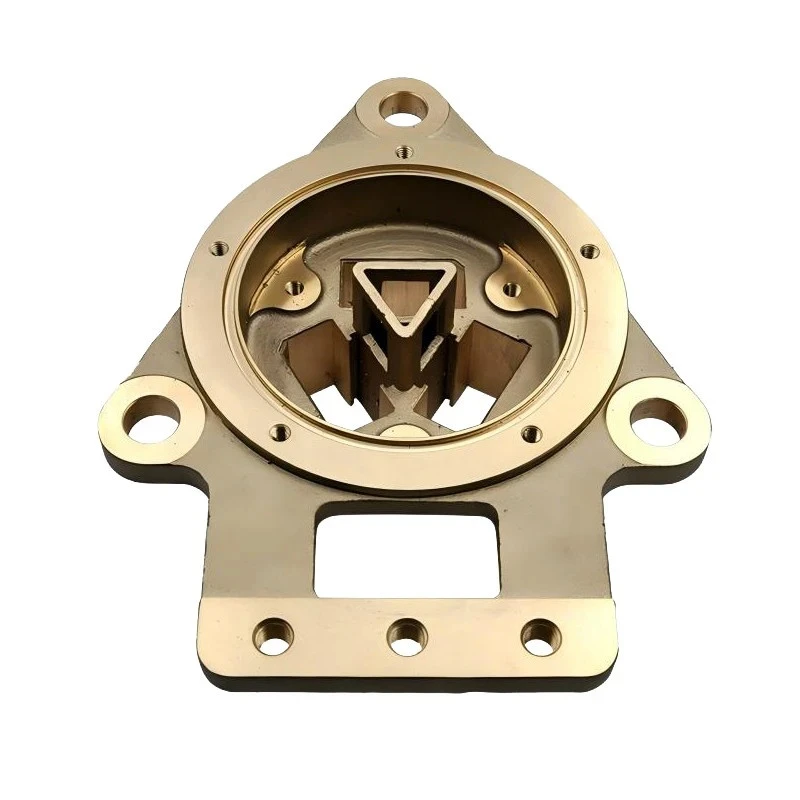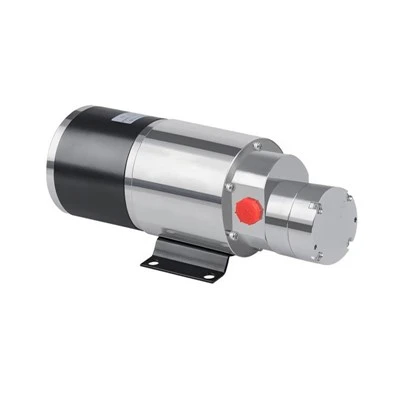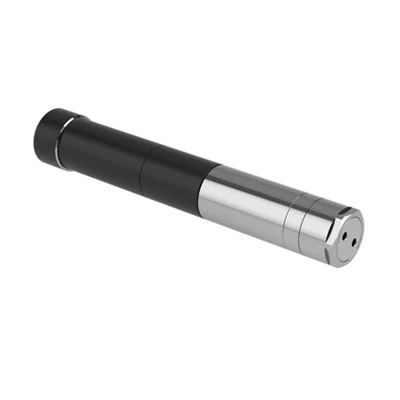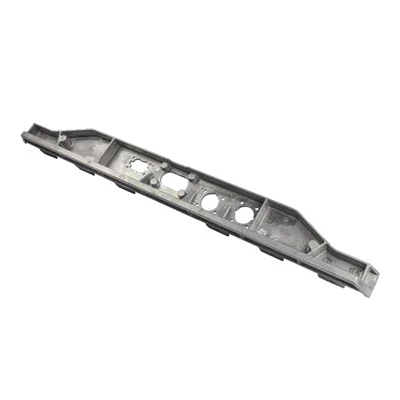

Copper and copper alloy components are widely used in electrical systems, machinery, automotive applications, energy equipment, and industrial automation. Their excellent electrical and thermal conductivity, corrosion resistance, and machinability make them suitable for a broad range of industrial applications. From raw material to finished component, copper parts commonly undergo casting, cooling, cleaning, and machining processes, with each stage contributing to the final dimensional accuracy, internal integrity, and functional performance.
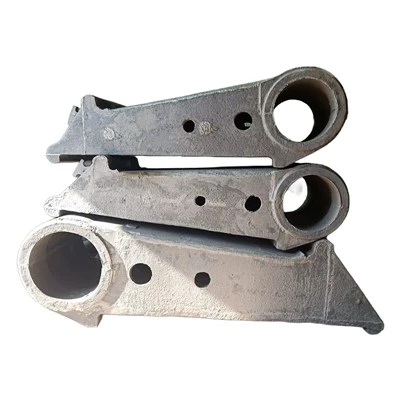
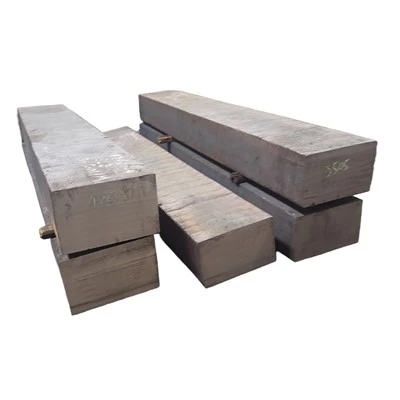
A defining characteristic of copper casting is its ability to create component geometry through the controlled melting and solidification of metal. During production, copper or a copper alloy is heated until molten and then poured or injected into a prepared mold cavity. As the molten metal cools and solidifies, it takes on the shape of the mold. This process provides considerable freedom in component design and can produce features such as cavities, bosses, curved surfaces, and other complex geometries, potentially reducing the amount of subsequent machining required.
Copper alloys generally offer favorable fluidity and thermal conductivity, although casting behavior varies depending on the specific alloy system. Process conditions such as melting temperature, pouring conditions, mold temperature, and cooling rate therefore require careful control. For components with complex geometries or tight dimensional requirements, stable process conditions can help minimize casting defects such as porosity, shrinkage, and cracking.
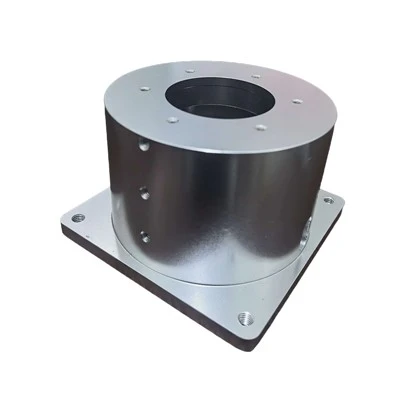
Machining is characterized by its high dimensional control and process flexibility. After casting, copper components can undergo turning, milling, drilling, boring, grinding, and other finishing operations to achieve their final geometry and functional dimensions. For products such as bushings, valve bodies, and connectors, precision machining can improve the dimensional accuracy of bores, flat surfaces, and mating interfaces, helping ensure reliable assembly and stable operation.
Another important characteristic of copper component manufacturing is the complementary relationship between casting and machining. Casting is primarily responsible for forming the basic component geometry efficiently, while machining refines critical dimensions, functional features, and surface finish. Combining these processes allows manufacturers to balance production efficiency, material utilization, dimensional accuracy, and overall product quality.
Industry professionals note that advances in automated melting, precision casting, CNC machining, and intelligent inspection are accelerating the development of copper component manufacturing. These technologies are helping producers achieve greater consistency, tighter tolerances, and higher production efficiency. As casting and machining technologies become increasingly integrated, copper alloy components are expected to provide stronger manufacturing support for electrical equipment, industrial machinery, renewable energy systems, and other advanced applications.