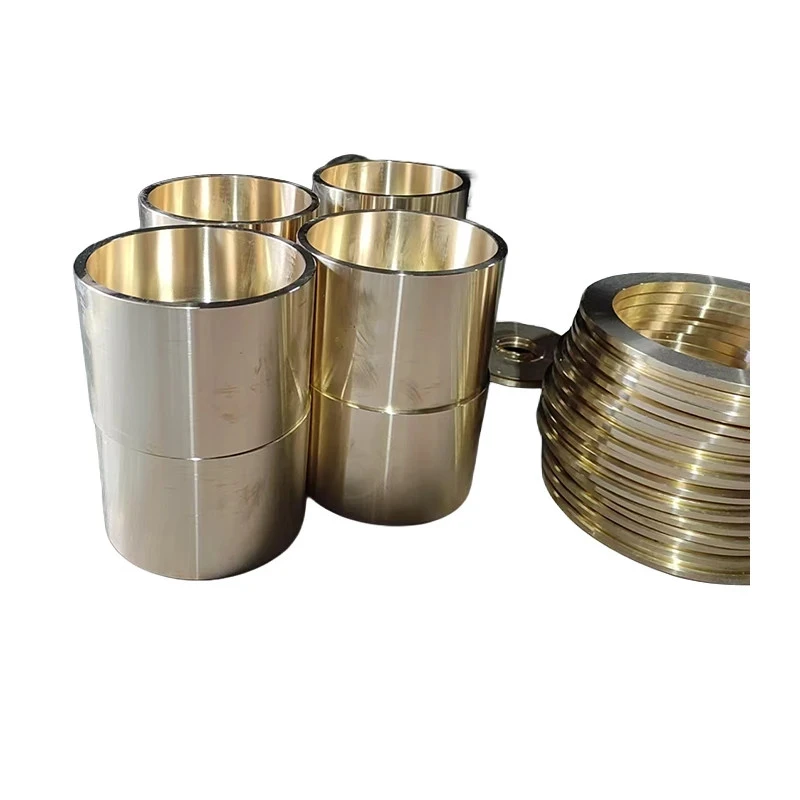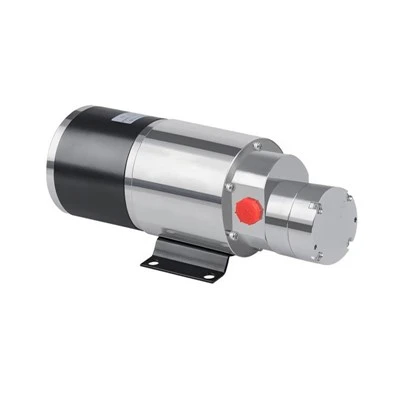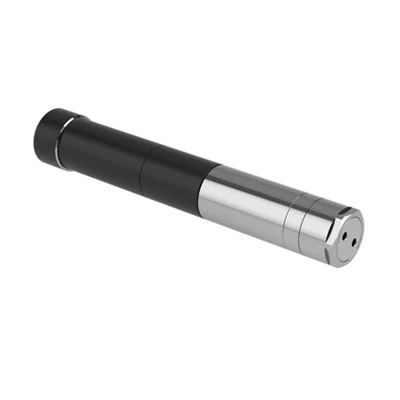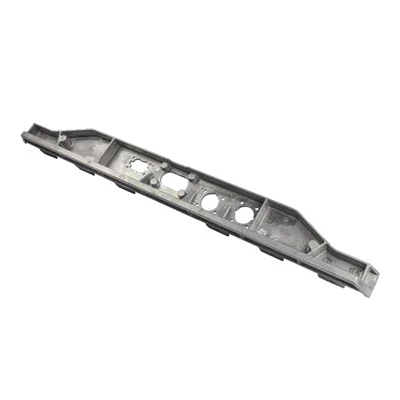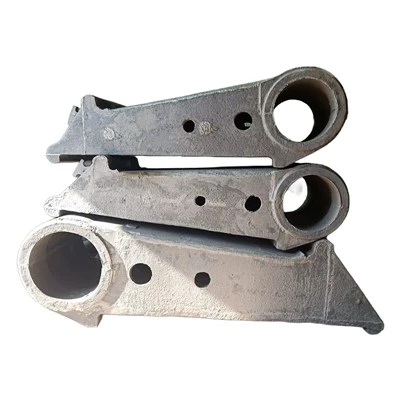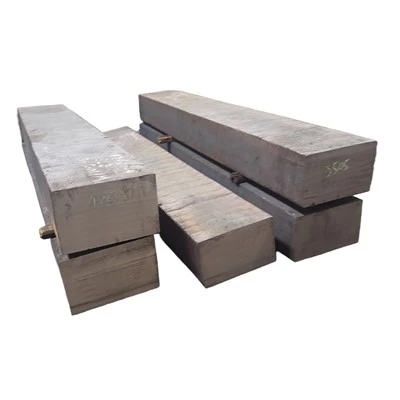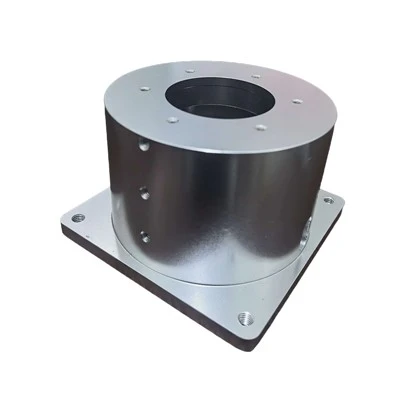

As industries such as electrical equipment, machinery, automotive manufacturing, energy, and industrial automation continue to develop, copper and copper alloy components are facing increasingly demanding requirements for structural design and dimensional accuracy. Copper parts are often cast to establish their basic geometry and then machined to refine critical dimensions and functional features. The combination of casting and machining allows manufacturers to achieve complex geometries while maintaining dimensional control and reliable performance.
Copper casting offers considerable flexibility in component design. Properly designed molds can produce cavities, bosses, grooves, curved surfaces, and irregular external profiles, making the process suitable for components such as valve bodies, pump housings, and industrial connectors. For parts with complex internal geometries, careful design of the mold cavity, gating system, and venting arrangement can promote more consistent filling and reduce the risk of casting-related defects.
Structural design must also account for the flow behavior and solidification characteristics of copper alloys. During casting, molten metal gradually cools and changes into a solid structure, and localized shrinkage may occur as the material solidifies. For this reason, designers need to consider wall thickness, fillet radii, transitions, and other geometric features carefully. Avoiding abrupt changes in section thickness can promote more uniform metal flow and solidification.
Machining provides precise control over critical dimensions and functional features after casting. Once the casting has been cleaned and prepared, operations such as turning, milling, drilling, boring, and grinding can be used to achieve the required geometry. Bores, threads, mounting surfaces, sealing interfaces, and mating surfaces often require tight tolerances and controlled surface finish. Precision machining can correct dimensional variations from the casting stage and ensure that components meet assembly requirements.
Copper component design must also balance structural strength, weight, thermal performance, and electrical characteristics. Components used in electrical or thermal management applications may require carefully designed geometries to maintain effective electrical conduction or heat transfer. Mechanical components, meanwhile, must take load direction, connection methods, contact conditions, and wear resistance into account.
Industry professionals note that copper component manufacturing is moving beyond basic forming toward integrated structural optimization and precision production. With the wider adoption of three-dimensional design, CNC machining, precision measurement, and digital process control, manufacturers can develop more efficient component geometries while improving dimensional consistency and production quality. These advances are expected to support the continued development of high-performance copper alloy components for demanding industrial applications.