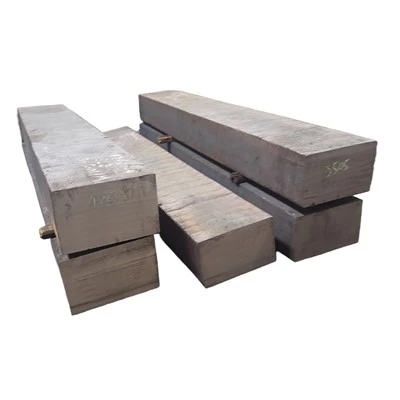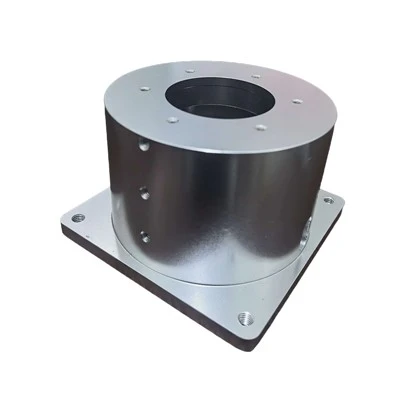

As industries such as machinery manufacturing, automotive production, energy, and construction equipment continue to develop, the demand for metal castings is expanding across a wide range of applications. Different products require specific combinations of strength, wear resistance, weight, corrosion resistance, and thermal performance. As a result, metal castings are available in many forms, with their classification typically based on material, manufacturing process, and intended application. Understanding these differences helps manufacturers select suitable materials and production methods for specific components.
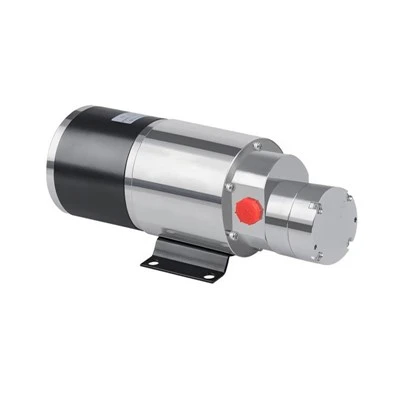
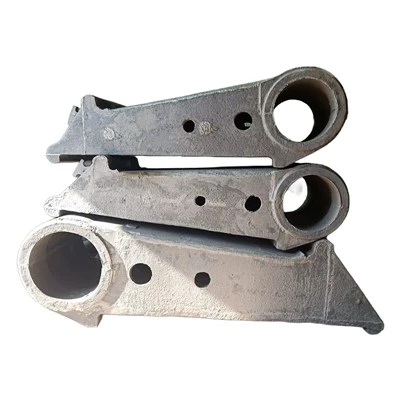
Cast iron is one of the most widely used materials for industrial castings. It offers good castability, wear resistance, and vibration-damping properties, making it suitable for machine tool bases, pump housings, valve bodies, and equipment enclosures. Cast steel, by comparison, provides higher strength and toughness and is capable of handling substantial mechanical loads and impact. It is therefore commonly used in construction machinery, mining equipment, energy systems, and large structural components.
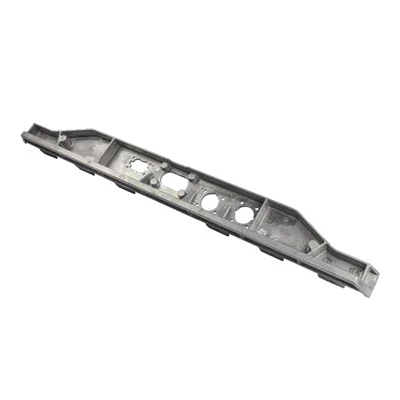
Non-ferrous metal castings are also an important part of modern manufacturing. Aluminum alloy castings are valued for their low weight, good thermal conductivity, and corrosion resistance. They are widely used in automotive components, electronic housings, industrial equipment, and electric vehicle systems. Copper alloy castings offer excellent electrical and thermal conductivity along with good corrosion resistance, making them suitable for valves, pump components, electrical parts, and selected mechanical applications.
Metal castings can also be classified according to the manufacturing process used to produce them. Common categories include sand castings, die castings, investment castings, and centrifugal castings. Sand casting offers considerable flexibility and can accommodate components of various sizes and complex geometries. Die casting is well suited to high-volume production of non-ferrous components that require good dimensional accuracy and consistent quality. Investment casting is capable of producing intricate shapes with tight dimensional requirements, making it suitable for demanding applications. Centrifugal casting is commonly used for tubular, cylindrical, and ring-shaped components.
Industry professionals note that no single type of casting is suitable for every application. Material properties, component geometry, operating conditions, production volume, dimensional requirements, and overall cost all need to be considered during the selection process. With continued advances in casting technology, metal castings are becoming lighter, stronger, more precise, and more reliable, providing manufacturers with increasingly versatile solutions for modern industrial applications.