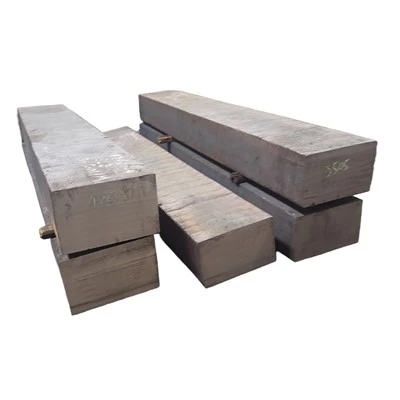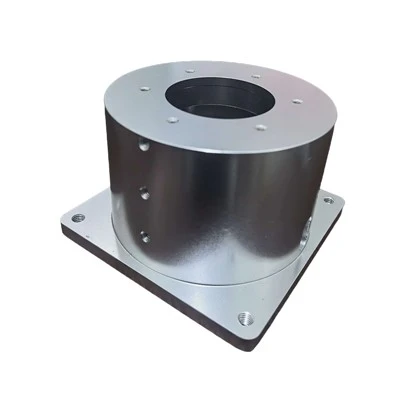

Metal castings are fundamental components in modern industrial manufacturing and are widely used in automotive systems, machinery, energy equipment, construction machinery, rail transportation, and other sectors. Their combination of structural flexibility, material versatility, and efficient formability allows cast components to perform a wide range of functions. Depending on the design and operating environment, a casting may serve as a load-bearing structure, mounting component, protective housing, fluid-handling element, or support for moving mechanical parts.
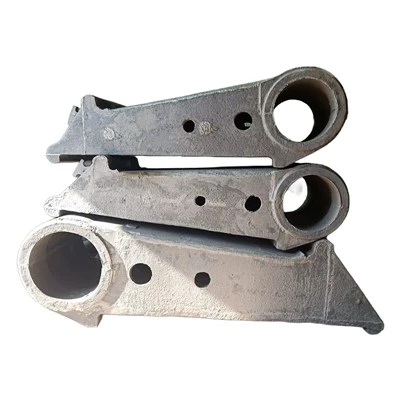
One of the most important functions of metal castings is to provide structural support and withstand mechanical loads. Equipment bases, frames, housings, and large structural components often need to support their own weight while handling forces generated during operation. With appropriate material selection and structural engineering, castings can provide the strength and rigidity required to maintain equipment stability and long-term performance.
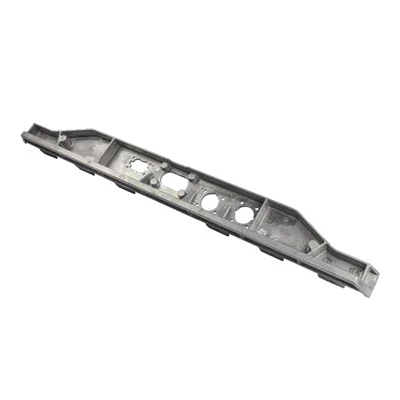
Cast components also provide secure mounting and positioning for other parts. Motors, bearings, gears, shafts, and other mechanical elements need to remain accurately positioned during operation. Housings, brackets, bearing supports, and mounting bases produced through casting can provide a rigid foundation for these components. Properly engineered casting structures can help maintain alignment while reducing unwanted movement and vibration.
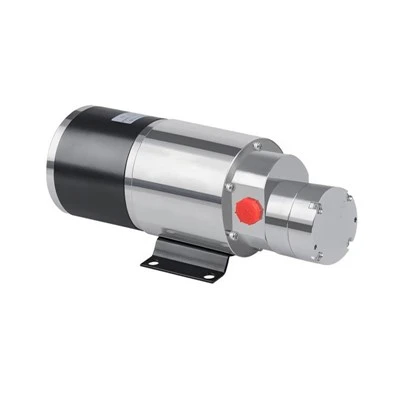
Fluid containment and flow management are particularly important in pumps, valves, and other fluid-handling equipment. Cast pump housings and valve bodies can incorporate internal passages and chambers that guide, contain, or control liquids and gases. When combined with suitable sealing systems, these components can help prevent leakage and maintain reliable system operation under demanding working conditions.
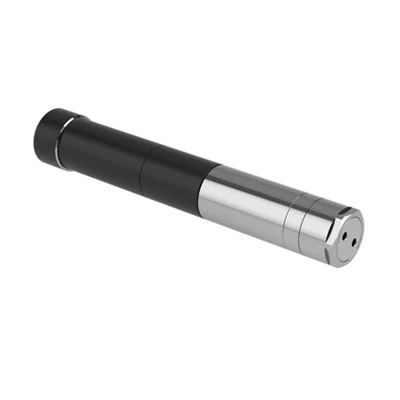
Certain cast components also contribute to power transmission and thermal management. Gearbox housings and bearing supports provide stable operating environments for gears, shafts, and other transmission components. Castings made from materials such as aluminum alloys can also help dissipate heat because of their favorable thermal conductivity, making them useful for selected motors, electronic systems, and industrial equipment.
Industry professionals note that the performance and functionality of a metal casting depend on the interaction between material properties, structural design, and manufacturing processes. As industrial equipment becomes lighter, more precise, and more performance-oriented, cast components are increasingly being designed to integrate multiple functions into a single part. The continued development of advanced materials, precision casting, and digital manufacturing is expected to further enhance the reliability, efficiency, and versatility of metal castings in modern industrial applications.