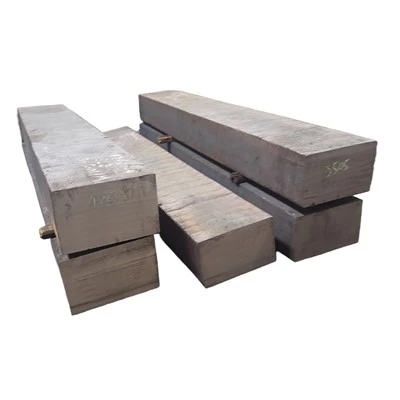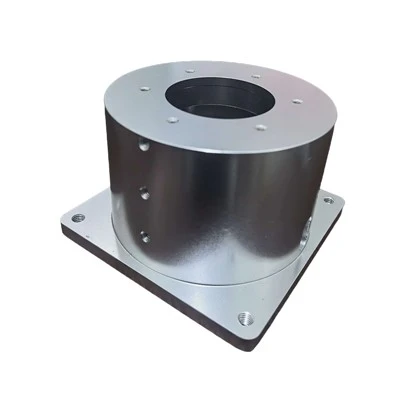

Metal castings play an important role in modern manufacturing due to their design flexibility, broad material selection, and ability to produce components with complex geometries. They are widely used across industries such as automotive manufacturing, machinery, energy, construction equipment, rail transportation, and aerospace. From small precision components to large structural parts, castings have become an integral part of the industrial manufacturing process.
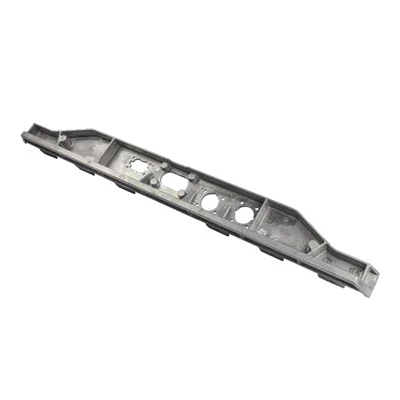
The automotive industry is one of the major application areas for metal castings. Cast components are commonly found in engines, transmission systems, chassis assemblies, and electric vehicle systems. Components such as engine blocks, cylinder heads, and housings must provide a combination of strength, heat resistance, and dimensional stability. Appropriate casting processes allow manufacturers to produce these complex geometries efficiently. At the same time, the rapid growth of electric vehicles is driving greater demand for lightweight aluminum alloy castings used in electric drive systems, battery-related structures, and vehicle components.
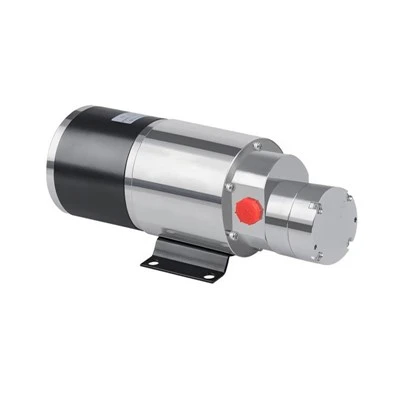
Machinery manufacturing is another major market for cast metal components. Pump housings, valve bodies, gearbox housings, machine tool bases, and various structural components can be manufactured using different alloys and casting methods according to their operating requirements. Casting provides considerable design flexibility for parts that are large, structurally complex, or required to withstand significant mechanical loads.
In the energy sector, metal castings are used in power generation equipment, electrical infrastructure, oil and gas facilities, and wind energy systems. Components such as pump housings, valve bodies, impellers, and large structural parts may be exposed to high pressure, elevated temperatures, and continuous mechanical loads. As a result, material properties and internal casting quality are critical. Careful control of melting, pouring, cooling, and heat treatment processes can significantly improve the reliability of these components.
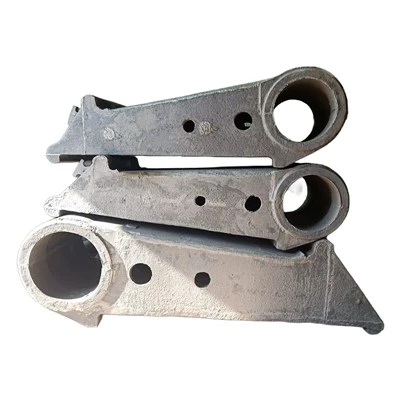
Construction equipment and rail transportation also generate substantial demand for large and high-strength castings. In advanced manufacturing sectors such as aerospace, greater emphasis is placed on lightweight construction, precision casting, and high overall performance.
Industry professionals expect the application of metal castings to continue expanding as industrial equipment becomes more efficient, lightweight, and intelligent. The integration of advanced materials, precision casting techniques, and digital manufacturing is expected to further improve casting performance, dimensional accuracy, and reliability, providing stronger support for the development of modern manufacturing.