
As modern manufacturing continues to move toward greater precision, automation, and digitalization, machining is being applied across an increasingly broad range of industrial sectors. As a key process for both component production and finishing, machining enables manufacturers to precisely shape metals, plastics, and other engineering materials to achieve the required dimensions, geometry, tolerances, and surface finish. These capabilities provide an important foundation for the reliable operation of industrial equipment.
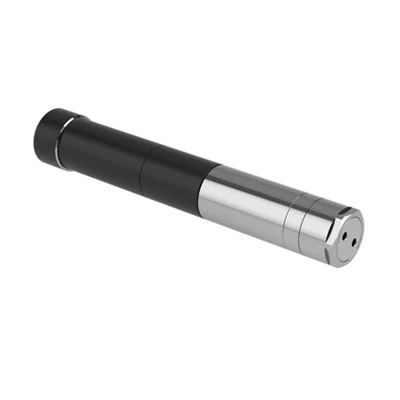
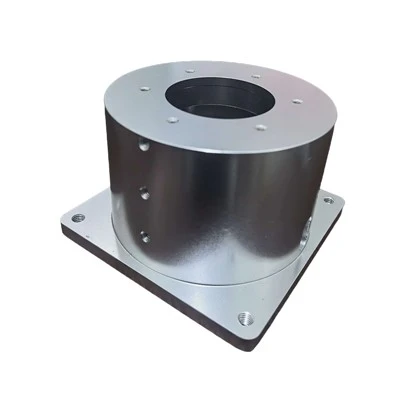
The automotive industry is one of the major application areas for machining. A wide range of components used in engines, transmissions, chassis systems, and steering assemblies require operations such as turning, milling, drilling, and grinding. Shafts, gears, flanges, housings, and other precision parts must meet demanding dimensional and assembly requirements. Accurate machining ensures that mating components fit correctly and perform reliably throughout vehicle operation.
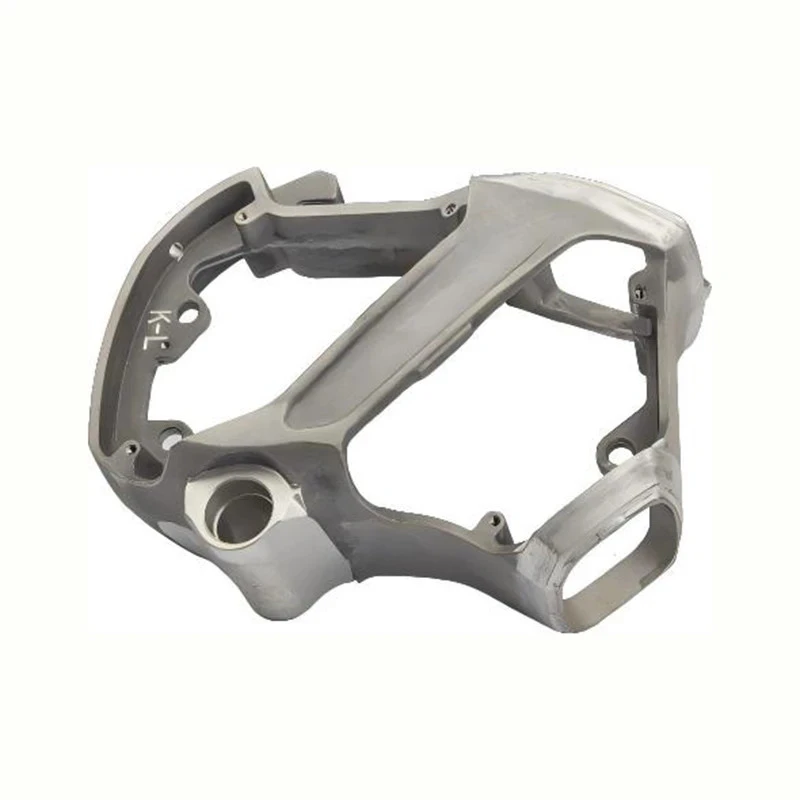
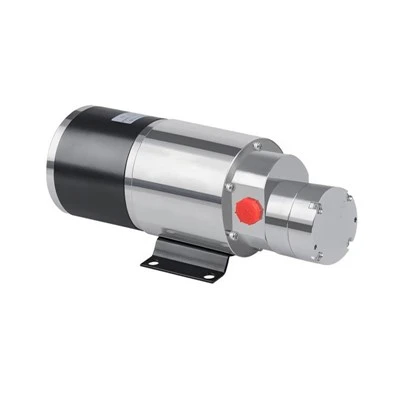
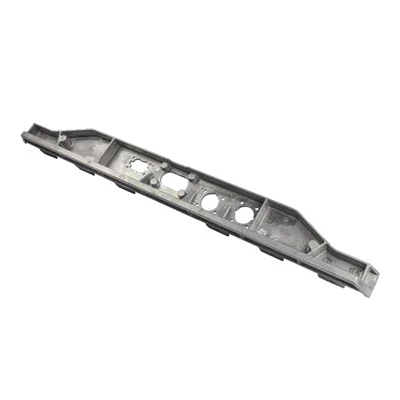
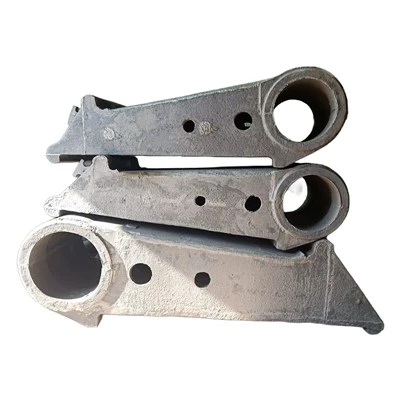
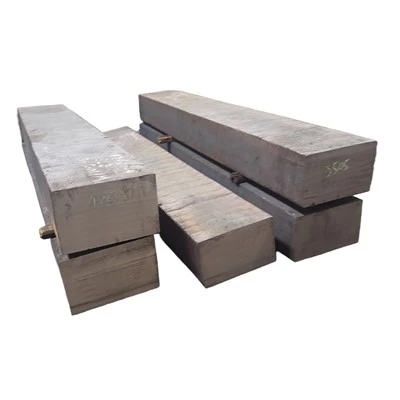
Machining is also extensively used in general machinery and industrial equipment manufacturing. Pump housings, valve bodies, shafts, gears, machine tool components, and structural parts often require precise machining before they can be assembled or put into service. Castings and forgings frequently undergo machining to remove excess material, correct dimensional variations, and create functional features that cannot be achieved during the initial forming process.
The energy sector also depends heavily on precision machining. Many components used in power generation equipment, wind turbines, petrochemical systems, and electrical infrastructure require tight dimensional control. For parts exposed to pressure, temperature changes, and continuous mechanical loads, machining accuracy can directly affect sealing performance, power transmission efficiency, and overall equipment stability.
Machining also has important applications in aerospace, rail transportation, construction machinery, and mold manufacturing. Aerospace components often require a careful balance between low weight, high strength, and tight dimensional tolerances. Mold production presents another demanding application, as manufacturers must create complex cavities, curved surfaces, and highly precise functional features.
The growing adoption of CNC machine tools, automated production systems, and intelligent inspection equipment is transforming conventional machining operations. Industry professionals expect machining to become increasingly focused on precision, efficiency, process monitoring, and digital control. These developments will further strengthen the role of machining in advanced equipment manufacturing and the production of high-precision industrial components.