
As modern manufacturing advances toward greater precision, automation, and digitalization, machining has become increasingly important for the production of industrial components. Machining is more than simply removing excess material. It uses machine tools, cutting tools, and computer-controlled systems to shape workpieces accurately and achieve the required geometry, dimensions, tolerances, and surface condition. These characteristics directly influence component assembly and functional performance.
Machining offers considerable flexibility in producing different geometries. Processes such as turning, milling, drilling, boring, and grinding can create external diameters, internal bores, flat surfaces, slots, threads, curved profiles, and complex contours. For highly complex components, multi-axis CNC machining can coordinate cutting movements across multiple directions, reducing the need for repeated setups while improving positional accuracy and overall consistency.
Dimensional accuracy is another defining characteristic. The final dimensions of a machined component are influenced by machine tool accuracy, cutting tool condition, process parameters, thermal effects, and measurement methods. By carefully controlling cutting speed, feed rate, depth of cut, and machining allowances, manufacturers can achieve tight dimensional tolerances. Accurate dimensions are essential for ensuring proper alignment and reliable interaction between mating components.
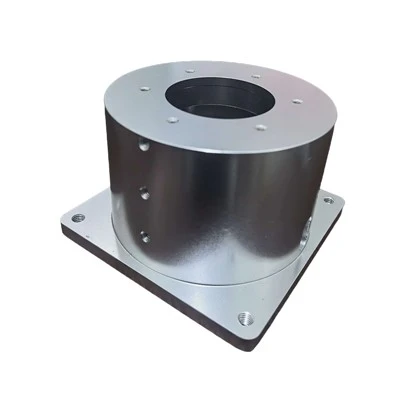
Machining can also produce high-quality functional surfaces. Rough machining is generally used to remove material efficiently, while finishing operations and grinding are applied to improve surface smoothness and dimensional accuracy. Properly finished bearing seats, sealing surfaces, and sliding interfaces can reduce friction and wear, contributing to more stable operation and longer component life.
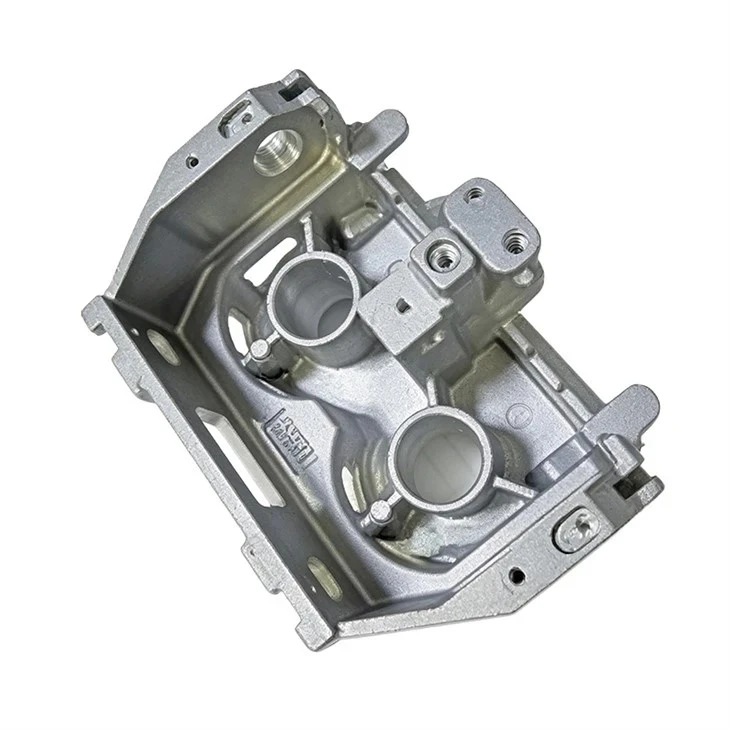
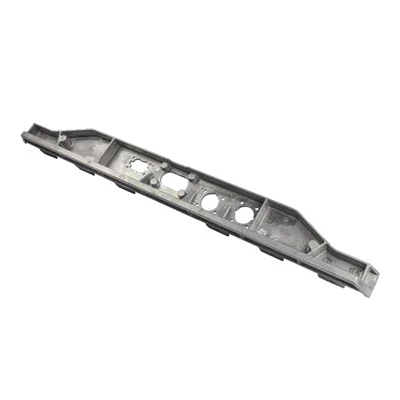
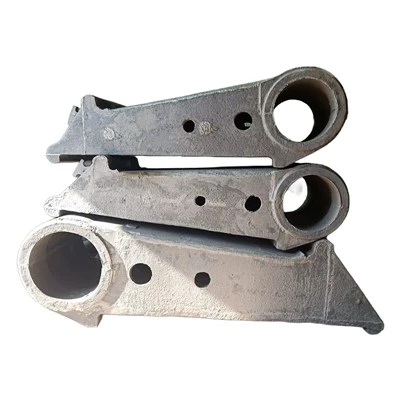
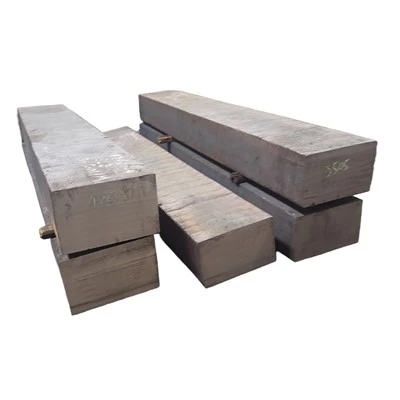
Another important characteristic is process adaptability. Different engineering materials can be machined using suitable cutting tools, equipment, and process parameters. Castings, forgings, and other preformed blanks can also undergo machining to achieve their final dimensions and functional features. CNC systems provide additional flexibility by allowing production programs to be adjusted quickly, making them suitable for complex components, small-batch production, and high-mix manufacturing environments.
Industry professionals note that modern machining is becoming increasingly integrated with digital design, automated equipment, and intelligent inspection technologies. With continued advances in CNC control, in-process measurement, process monitoring, and digital manufacturing management, machining is expected to deliver greater precision and efficiency while supporting the production of increasingly complex components for advanced industrial equipment.