
As modern manufacturing advances toward greater precision, automation, and digitalization, machining has become increasingly important in industrial production. Beyond simply removing material, machining enables manufacturers to control dimensions, create complex geometries, improve surface quality, and achieve the precise fit required between individual components. These capabilities provide an essential foundation for the reliable operation of modern machinery and equipment.
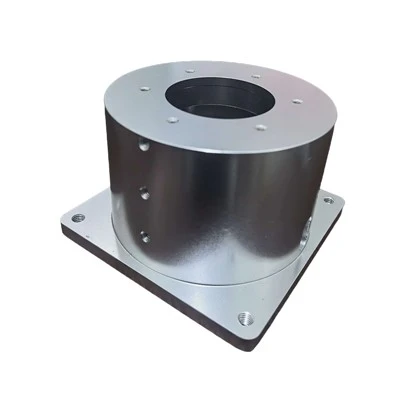
Dimensional control is one of the most fundamental functions of machining. Processes such as turning, milling, grinding, and drilling allow manufacturers to remove material accurately and achieve specified lengths, diameters, thicknesses, hole sizes, and other critical dimensions. For shafts, gears, flanges, and precision structural components, accurate dimensional control is essential for achieving proper alignment and reliable assembly.
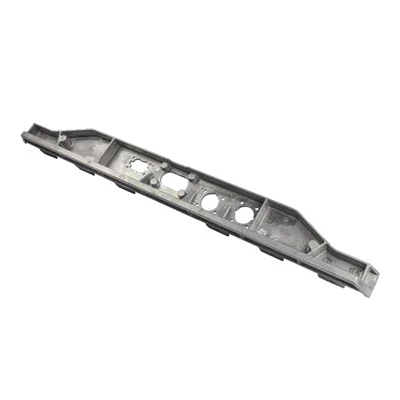
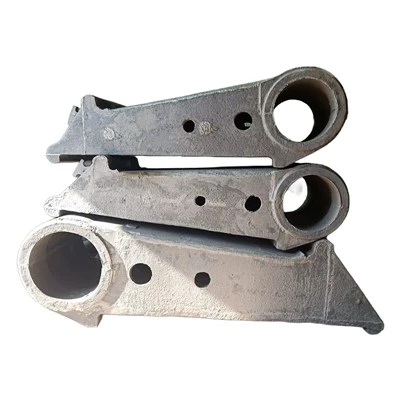
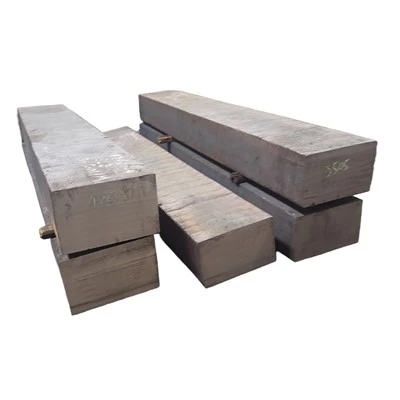
Machining also plays a major role in producing specific component geometries. Different machine tools and cutting tools can be used to create flat surfaces, curved profiles, holes, slots, threads, and other complex features. Castings, forgings, and other preformed materials can be further processed until they meet the final design requirements. CNC machining is particularly effective for complex components because programmed operations can be repeated with a high degree of consistency.
Surface finishing is another important function. Processes such as precision turning, fine milling, and grinding can reduce surface roughness and improve the condition of functional surfaces. For bearing seats, sealing surfaces, sliding interfaces, and other contact areas, an appropriate surface finish can reduce friction and wear while contributing to longer component life.
Machining can also improve overall manufacturing accuracy. High-precision CNC equipment, advanced cutting tools, and in-process measurement systems allow manufacturers to control dimensional and geometric deviations more effectively. Data collected during production can further support process analysis, equipment monitoring, and parameter optimization.
Industry professionals note that the role of machining is evolving beyond conventional material removal toward precision manufacturing, quality assurance, and intelligent production. With continued advances in automation, digital process management, high-precision equipment, and smart inspection systems, machining is expected to make an even greater contribution to component accuracy, manufacturing efficiency, and equipment reliability.