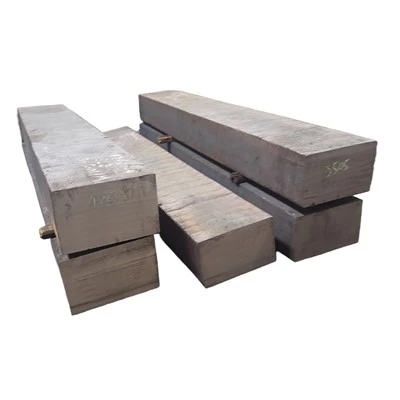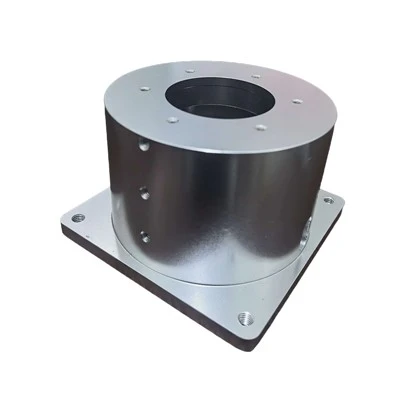

As industries such as automotive manufacturing, machinery, energy equipment, aerospace, and construction machinery continue to develop, the material requirements for forged components are becoming increasingly demanding. Metal forgings are not made from a single element alone. Instead, manufacturers select specific metals and alloy systems according to the required mechanical and environmental performance. The composition and proportion of alloying elements can have a significant influence on strength, toughness, wear resistance, corrosion resistance, and high-temperature performance.
Steel is one of the most widely used materials for forged components. Carbon steel is primarily composed of iron and carbon, with the carbon content adjusted according to the required mechanical properties. Carbon can significantly influence hardness and strength, while elements such as manganese and silicon contribute to the overall performance of the material. Alloy steels may also contain chromium, nickel, molybdenum, vanadium, and other elements to improve properties such as strength, toughness, wear resistance, and heat resistance. These materials are widely used for shafts, gears, connecting rods, flanges, and other heavily loaded mechanical components.
Aluminum alloy forgings are based primarily on aluminum and may contain magnesium, silicon, copper, zinc, and other alloying elements. Their low density and favorable strength-to-weight ratio make them particularly attractive for lightweight applications. Aluminum forgings are therefore increasingly used in automotive systems, aerospace structures, and transportation equipment where reducing component weight is an important design objective.
Titanium alloy forgings are based on titanium and can contain elements such as aluminum, vanadium, and molybdenum. These alloys offer an excellent strength-to-weight ratio, strong corrosion resistance, and good performance in demanding temperature environments. As a result, titanium forgings are widely used in aerospace, advanced engineering equipment, and specialized industrial applications.
Copper alloy forgings are primarily based on copper and may include zinc, tin, aluminum, nickel, and other alloying elements. Depending on the alloy composition, these materials can provide excellent electrical and thermal conductivity, corrosion resistance, and wear resistance. They are commonly used for electrical connectors, valves, and selected mechanical components.
Industry professionals emphasize that the composition of a forged component should be selected according to its operating conditions rather than based solely on the base metal. Mechanical loads, temperature, exposure to corrosive media, and expected service life all need to be considered. When an appropriate alloy composition is combined with a suitable forging process and heat treatment, manufacturers can maximize material performance and produce reliable components for demanding industrial applications.