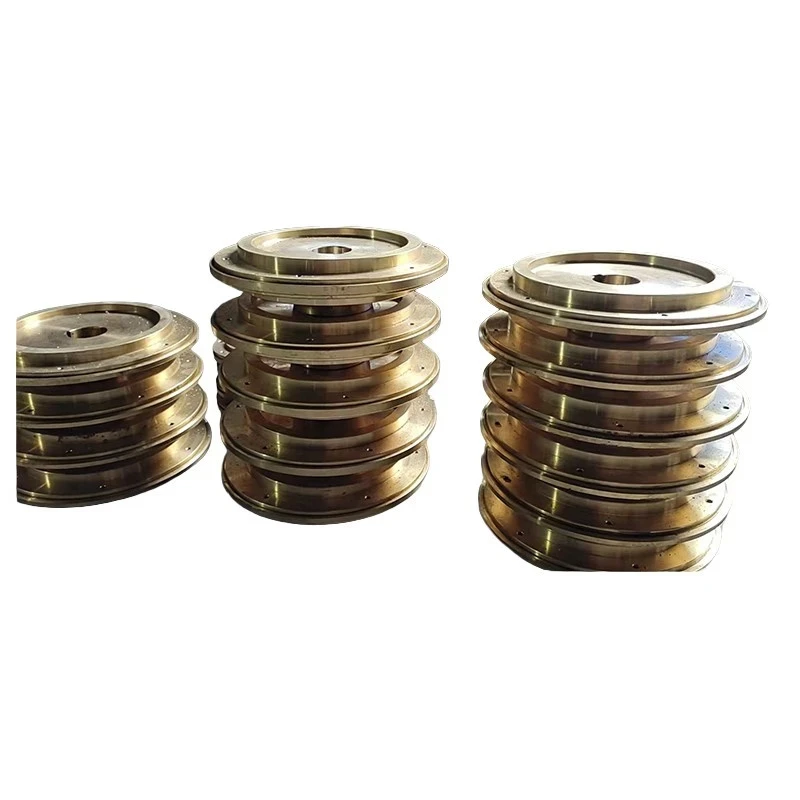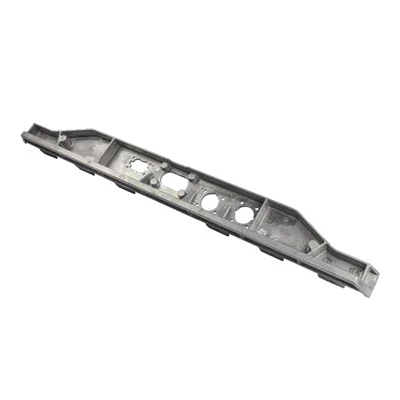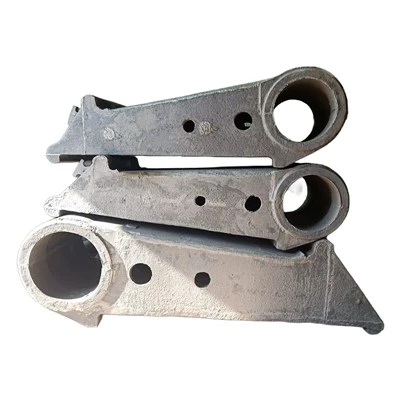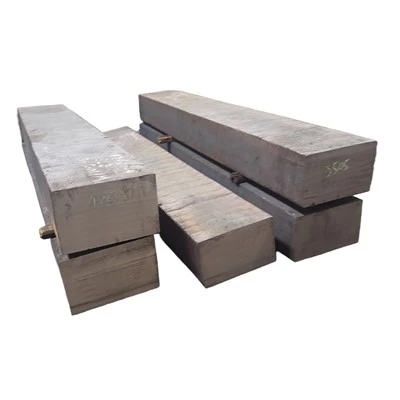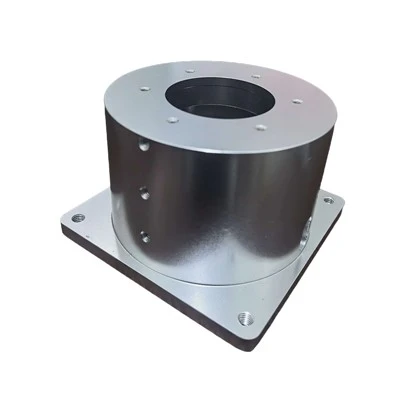

As modern industry continues to pursue greater efficiency, precision, and automation, demand for copper and copper alloy components is steadily increasing. Copper offers excellent electrical and thermal conductivity, good corrosion resistance, and favorable machinability. By combining casting with precision machining, manufacturers can produce components with complex geometries, controlled dimensions, and stable performance. Today, copper casting and machining are widely used in electrical systems, machinery, automotive manufacturing, energy equipment, rail transportation, and industrial automation.
The electrical industry is one of the most important application areas for copper components. Electrical connectors, terminals, conductive parts, and selected components used in switching equipment require reliable conductivity as well as accurate and stable dimensions. Casting can efficiently create the basic component geometry, while turning, milling, drilling, and other machining processes can refine critical features and mounting interfaces to meet specific equipment requirements.
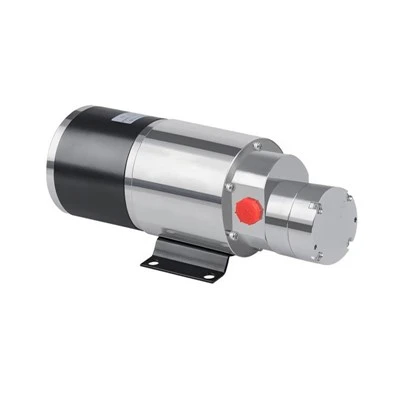
Copper alloy components also play an important role in machinery manufacturing. Valve bodies, pump components, bushings, gears, connectors, and other mechanical parts can be produced using copper alloys selected according to the component design and operating conditions. For parts exposed to sliding contact or moderate friction, the wear characteristics of suitable copper alloys can provide valuable performance benefits.
The automotive industry is another significant application area. Copper and copper alloy components are used in electrical connections, thermal management systems, braking systems, and selected powertrain-related applications. The rapid growth of electric vehicles is further increasing demand for components that provide efficient electrical conduction and heat transfer, creating new opportunities for precision copper casting and machining.
The energy sector also relies on copper components for a wide range of applications. Electrical connectors, conductive parts, and mechanical interfaces used in power generation equipment, electrical distribution systems, wind power systems, and renewable energy equipment must maintain stable electrical and mechanical performance over extended periods. Proper casting processes combined with precision machining can improve dimensional consistency and support reliable assembly.
Copper alloy components are also finding applications in rail transportation, industrial automation, and advanced equipment manufacturing. Industry professionals expect the market to continue evolving as automated casting, CNC machining, and intelligent inspection technologies become more widely adopted. These developments are helping manufacturers achieve tighter tolerances, higher productivity, and more consistent quality, enabling copper components to meet the increasingly demanding requirements of modern industrial systems.