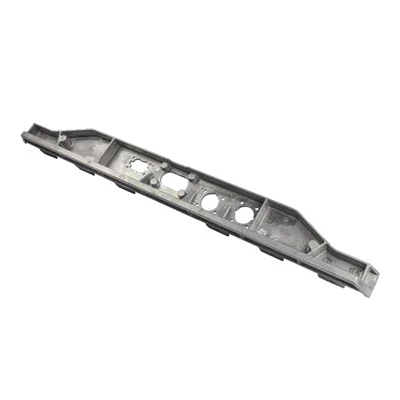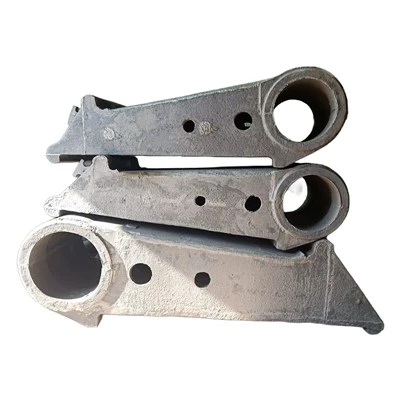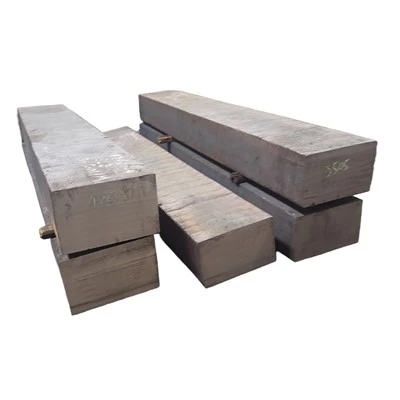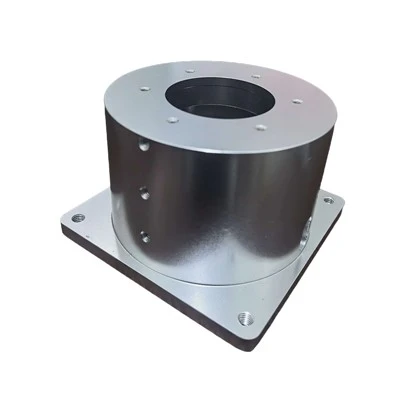

As demand for lightweight components continues to grow in automotive manufacturing, machinery, rail transportation, aerospace, and industrial equipment, aluminum alloy castings and machined parts are being used in an increasingly wide range of applications. Aluminum alloys offer low density, a favorable strength-to-weight ratio, good corrosion resistance, and excellent machinability. However, reliable production depends on proper maintenance of casting equipment, molds, machine tools, and inspection systems. Consistent routine maintenance can help reduce equipment failures and minimize variations in product quality.
Daily maintenance of aluminum casting equipment should focus on melting furnaces, holding systems, pouring equipment, and related auxiliary units. After production, aluminum residues, oxides, and other contaminants should be removed from relevant equipment surfaces. Furnace bodies, heating systems, and temperature measurement devices should also be checked regularly to ensure normal operation. Temperature control is particularly important in aluminum casting, and periodic verification of temperature sensors helps maintain stable melting and pouring conditions.
Mold maintenance is equally important. Casting molds are exposed to high temperatures and repeated thermal cycles, which can eventually lead to wear, deformation, or surface damage. Operators should regularly inspect cavities, venting features, cooling passages, and critical mating surfaces. Residual material should be removed promptly, while lubrication and repair should be performed when necessary. For die casting molds, the cooling system should be checked to ensure that coolant can circulate effectively.
In the machining stage, routine maintenance mainly involves CNC machine tools, cutting tools, fixtures, and coolant systems. Before operation, operators should check lubrication, guideways, spindles, and other critical components while keeping the working area clean. Tool wear should be monitored during machining, and worn or damaged tools should be replaced promptly to prevent dimensional deviations and deterioration of surface finish.
Aluminum chips generated during machining should also be removed regularly and collected in accordance with appropriate workshop procedures. Cutting fluids need to be inspected and replaced at suitable intervals to limit contamination and maintain stable machining conditions. Measuring instruments and inspection equipment should be calibrated as required to ensure accurate and reliable dimensional results.
Industry professionals emphasize that routine maintenance for aluminum alloy casting and machining is not limited to individual equipment. It involves coordinated management of production machinery, molds, cutting tools, inspection equipment, and the overall working environment. Establishing clear maintenance procedures and keeping inspection records can help manufacturers identify potential problems at an early stage, improve equipment availability, and maintain consistent product quality, supporting reliable long-term production of aluminum alloy components.