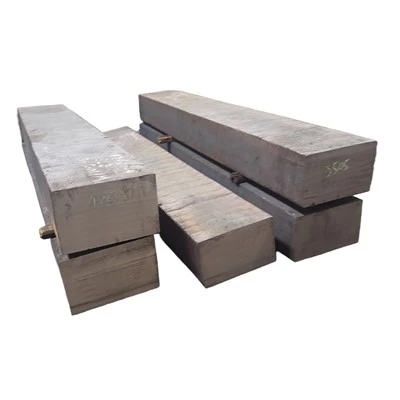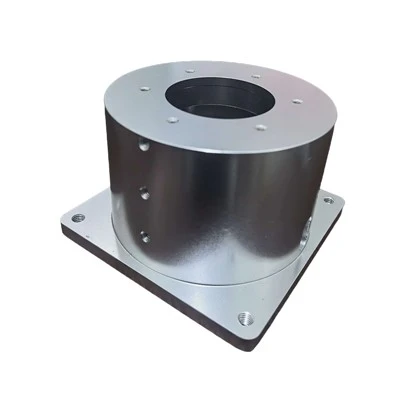

Metal forgings are important components in modern manufacturing and are widely used in automotive systems, machinery, energy equipment, aerospace, construction machinery, and other industrial sectors. Their high strength, toughness, and structural reliability make them particularly suitable for components that must withstand heavy loads, impact, and repeated mechanical stress.
A metal forging is a component or semi-finished part produced by applying controlled force to solid metal, causing it to undergo permanent plastic deformation and take on a specified shape and dimensions. Unlike casting, which forms a component by pouring molten metal into a mold and allowing it to solidify, forging shapes solid material through mechanical pressure. During production, a metal billet is typically heated or processed under controlled temperature conditions before being compressed by equipment such as forging presses or hammers.
Forging processes are generally categorized as hot, warm, or cold forging according to the processing temperature and forming conditions. Hot forging is performed at elevated temperatures that increase material ductility, making it suitable for large components and complex shapes. Warm forging operates at intermediate temperatures and provides a balance between formability and dimensional control. Cold forging is performed near room temperature and can deliver excellent dimensional accuracy and surface finish, particularly for smaller precision components.
One of the key advantages of forged components is the improvement of their internal material structure during deformation. With appropriate control of the forging direction and deformation level, the grain structure can become more refined and uniform, while the grain flow can be aligned with the general shape of the component. This can enhance strength, toughness, and fatigue resistance. As a result, forgings are commonly used for shafts, gears, connecting rods, flanges, and other mechanical components exposed to high loads.
After the primary forging operation, some components undergo additional processes such as heat treatment, machining, and surface finishing. These operations can further improve hardness, dimensional accuracy, surface characteristics, and overall service performance.
Industry professionals emphasize that metal forgings represent more than simply formed metal. They combine material properties with controlled manufacturing processes to achieve reliable mechanical performance. With continued advances in precision forging, automated production equipment, process monitoring, and digital manufacturing, forged components are expected to play an increasingly important role in the production of high-strength, lightweight, and reliable industrial parts.