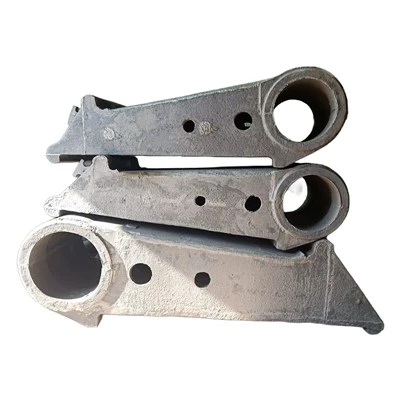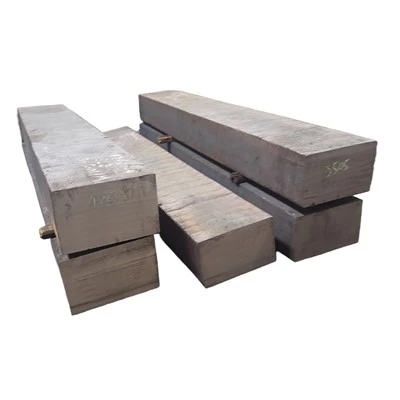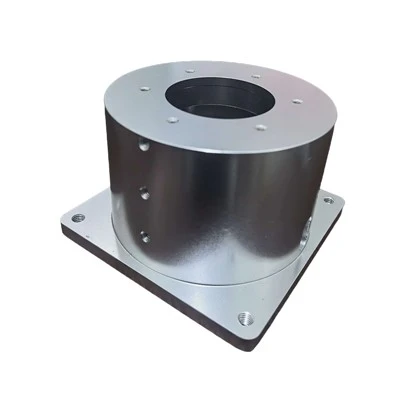

Metal forgings play a critical role in modern manufacturing, particularly in automotive systems, machinery, energy equipment, construction machinery, and aerospace applications. Their combination of high strength, toughness, and fatigue resistance makes them well suited to critical components that must perform reliably under demanding operating conditions. Beyond providing the required shape, the forging process can also improve the internal material structure, helping components achieve long-term mechanical reliability.
Load bearing is one of the primary functions of forged components. Shafts, gears, connecting rods, flanges, and structural connectors may be exposed to tension, compression, torque, and impact during operation. Controlled plastic deformation during forging can produce a dense and consistent material structure, allowing the material to deliver the strength and toughness required for heavily loaded applications.
Forged components also play an important role in power transmission systems. Gears, drive shafts, crankshafts, and similar parts must maintain stable performance while rotating continuously and being subjected to repeated mechanical loads. Proper forging practices can improve the material structure and contribute to better fatigue resistance, helping reduce the risk of deformation or premature failure during extended service.
Connection and structural fastening represent another important function. Flanges, bolts, fasteners, and selected mounting components are used to securely join different parts of a machine or system. High-strength forged components can withstand the forces generated at connection points while maintaining structural stability throughout operation.
Forgings can also support lightweight design and functional integration when their geometry and material are carefully engineered. This is particularly valuable in automotive and aerospace applications, where reducing component weight can improve overall efficiency without compromising structural performance. High-strength alloys combined with precision forging techniques can help manufacturers achieve this balance.
Industry professionals note that the functional performance of a forged component depends on the interaction between material properties, component design, and manufacturing processes. As precision forging, automated production, and advanced materials continue to develop, forged components are expected to become stronger, lighter, more accurate, and more durable. These advances will further strengthen their role as critical building blocks for high-performance industrial equipment.