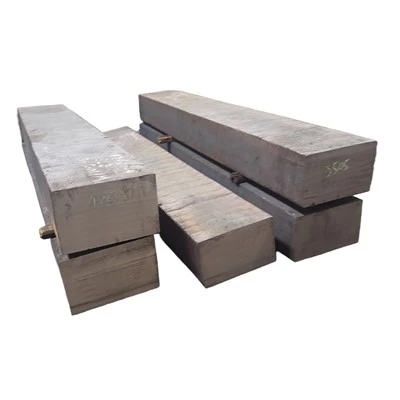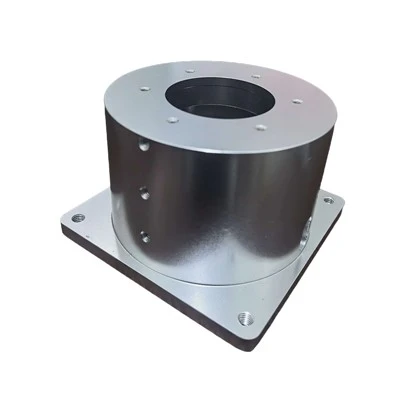

As industries such as automotive manufacturing, machinery, energy equipment, aerospace, and construction machinery continue to advance, the structural performance requirements for metal forgings are becoming increasingly demanding. Produced through controlled plastic deformation, forged components offer a combination of dense material structure, favorable load-bearing characteristics, and high structural reliability. These properties make them well suited to critical components that operate under demanding mechanical conditions.
One of the defining structural characteristics of a forged component is its relatively dense and consistent internal structure. During forging, the metal billet is subjected to controlled compressive forces, causing the material to flow plastically and undergo changes in its internal grain structure. When the process is properly designed and controlled, the resulting structure can become more uniform and less susceptible to certain internal discontinuities, contributing to improved strength and stability.
Grain flow is another important structural feature of forged components. By controlling the direction and extent of deformation, manufacturers can align the material flow with the general shape and primary load paths of the component. This is particularly valuable for shafts, gears, connecting rods, and other parts exposed to substantial mechanical loads, as favorable grain flow can contribute to improved fatigue and impact resistance.
Forged components also offer considerable opportunities for structural optimization. Engineers can tailor cross-sections, fillet radii, reinforcement areas, and connection zones according to the expected load distribution. This allows manufacturers to achieve the required strength and stiffness while minimizing unnecessary material. In weight-sensitive industries such as automotive and aerospace, optimized forging designs can provide an effective balance between structural performance and weight reduction.
Advances in precision forging have further improved dimensional control. High-accuracy dies and automated forming equipment can reduce machining allowances and produce components closer to their final dimensions. This approach can improve material utilization, reduce secondary machining requirements, and increase overall production efficiency.
Industry professionals note that the structural performance of a forging is closely related to material selection, forging conditions, die design, and subsequent heat treatment. With continued advances in digital simulation, precision forming, process monitoring, and smart manufacturing, forging design is becoming increasingly sophisticated. These developments are expected to expand the use of forged components in applications that require high strength, reliable performance, and lightweight construction.