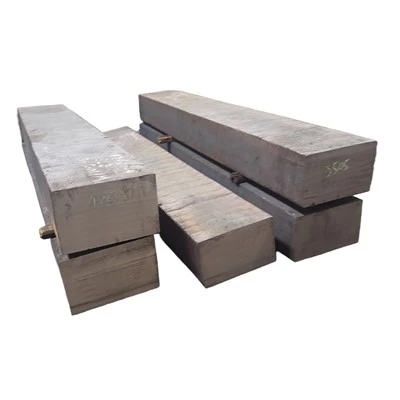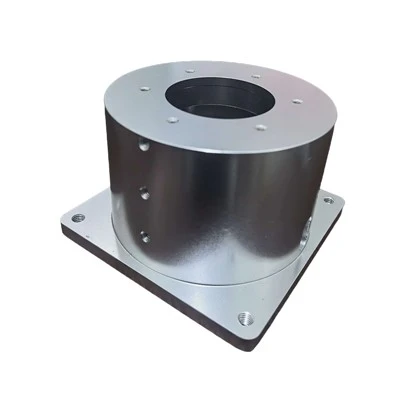

Metal forgings are widely used in automotive manufacturing, machinery, energy equipment, construction machinery, and other demanding industrial applications. Their high strength, toughness, and structural reliability make them particularly suitable for components exposed to heavy loads, impact, and repeated stress. Unlike casting, which forms a component by solidifying molten metal, forging shapes solid metal through controlled plastic deformation.
The fundamental principle of forging is based on the ability of metal to undergo permanent deformation when sufficient external force is applied. During the process, a metal billet is either heated to an appropriate temperature or processed under controlled conditions before being placed in forging equipment. A press or forging hammer then applies compressive force to the material, causing it to flow plastically. As the deformation progresses, the billet gradually takes on the required shape and dimensions.
Depending on the processing temperature and material requirements, forging can generally be performed as hot, warm, or cold forging. Hot forging involves heating the material to a temperature at which it becomes highly ductile, making it suitable for producing larger components and parts with complex geometries. Cold forging is performed near room temperature and can provide excellent dimensional accuracy and surface finish, making it suitable for many smaller precision components. Warm forging operates between these two conditions and can provide a useful balance between formability and dimensional control.
The internal structure of the metal also changes during forging. Controlled deformation can refine and redistribute the material's grain structure while creating a favorable grain flow that follows the general shape of the component. This can improve the material's ability to withstand mechanical loads and fatigue. Compared with many cast components, properly manufactured forgings generally offer greater structural density and strong mechanical performance, which is why they are widely used for critical load-bearing parts.
After forming, some forgings undergo additional processes such as heat treatment, machining, and surface finishing. These operations can further improve hardness, strength, dimensional accuracy, surface properties, and service life according to the requirements of the final application.
Industry professionals emphasize that forging is about more than simply shaping metal. The controlled deformation process can significantly influence the internal structure and overall performance of the finished component. With continued advances in precision forging, automated equipment, process simulation, and digital manufacturing, forging technology is expected to play an increasingly important role in producing high-strength, lightweight, and reliable components for modern industry.