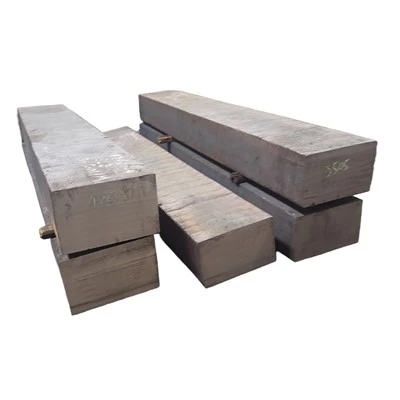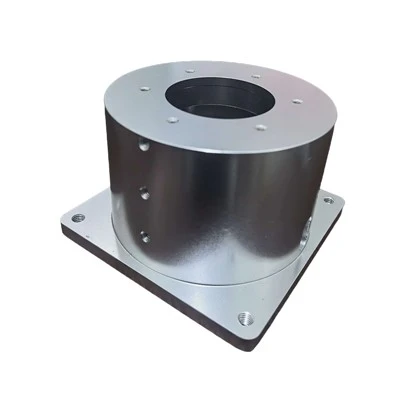

As industries such as machinery manufacturing, automotive production, energy, and construction equipment place greater demands on component performance, selecting the right metal casting has become increasingly important. A suitable casting must meet dimensional and structural requirements while also providing material properties that match the actual operating environment. Careful selection can improve equipment reliability and help reduce long-term maintenance and replacement costs.
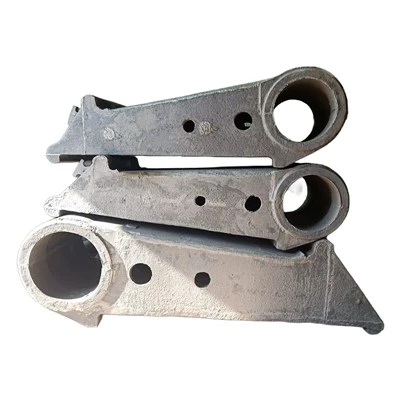
Material selection is one of the most important factors when evaluating a metal casting. Common casting materials include cast iron, cast steel, aluminum alloys, and copper alloys, each offering different performance characteristics. Cast iron is valued for its wear resistance and vibration-damping properties and is commonly used for machine bases, pump housings, and equipment enclosures. Cast steel provides high strength and toughness, making it suitable for components exposed to heavy loads or impact. Aluminum alloys offer low weight and good thermal conductivity, making them attractive for automotive and lightweight applications. Copper alloys are often selected for their electrical conductivity, thermal performance, and corrosion resistance. The material should therefore be chosen according to factors such as operating temperature, mechanical loads, and exposure to fluids or corrosive environments.
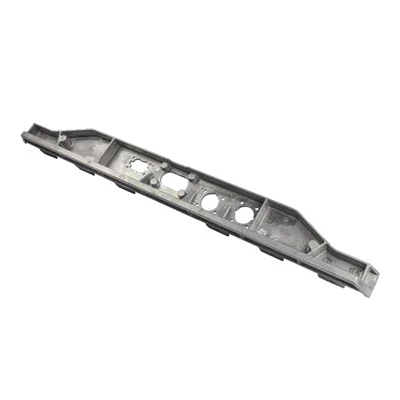
Component geometry should also be carefully evaluated. Castings with complex shapes, thin sections, reinforcing ribs, or internal cavities require manufacturing processes capable of producing these features consistently. A well-designed structure can reduce the risk of casting defects while making subsequent machining and assembly more efficient.
Manufacturing processes and quality control are equally important. When evaluating a casting supplier, manufacturers should consider the company's capabilities in melting, pouring, cooling, heat treatment, and machining. Dimensional accuracy, surface condition, and internal material integrity should be verified against the requirements of the application. For critical components exposed to heavy loads or continuous operation, additional inspection and testing may be necessary.
The supplier itself is another important consideration. Production capacity, quality management, delivery reliability, technical support, and after-sales service can all affect the overall value of a casting. Industry professionals point out that the lowest purchase price does not necessarily represent the best choice. A more effective approach is to balance performance, quality, cost, and expected service life.
As manufacturing continues to move toward greater precision and higher performance, metal casting selection is becoming increasingly focused on overall value rather than individual specifications. By clearly defining operating requirements, selecting appropriate materials and production processes, and establishing a comprehensive quality evaluation system, manufacturers can secure more reliable components and support stable, long-term equipment performance.