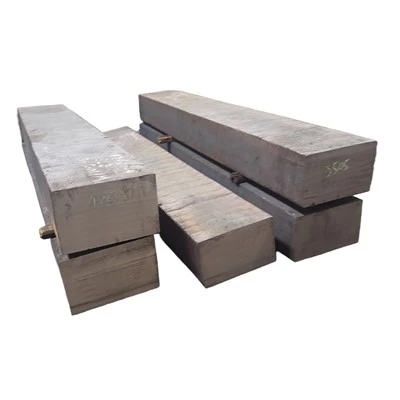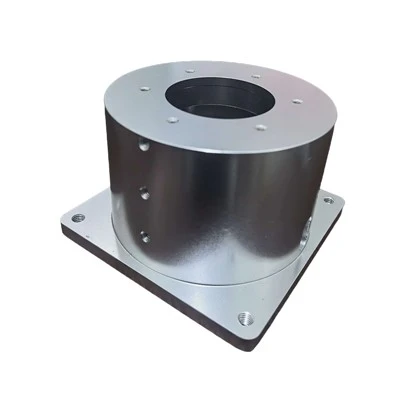

As modern manufacturing moves toward greater efficiency, precision, and lightweight design, metal castings are becoming increasingly important in machinery, automotive systems, energy equipment, construction machinery, and other industrial sectors. Compared with components produced primarily through conventional machining, castings offer distinctive structural advantages and are particularly well suited to parts with complex geometries, large dimensions, or intricate internal features.
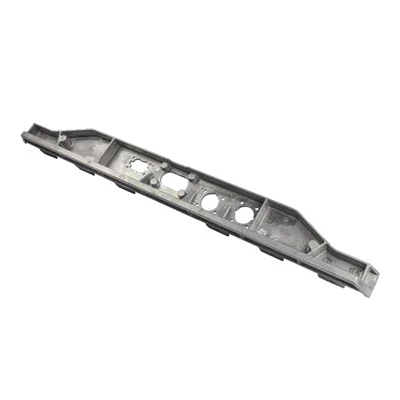
One of the most notable structural characteristics of a metal casting is its ability to form complex geometries as an integrated component. With a properly engineered mold cavity, manufacturers can create complicated external contours and internal spaces during a single casting operation. Structures that might otherwise require several separately manufactured parts can sometimes be consolidated into one casting. This approach can reduce the number of joints and assembly operations while improving overall structural integrity.
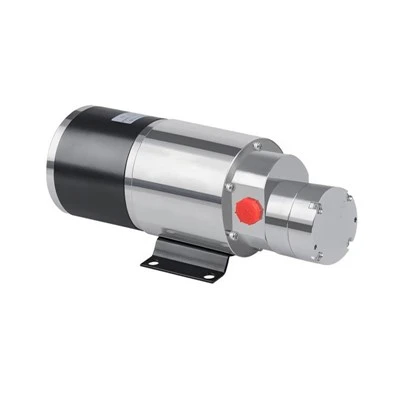
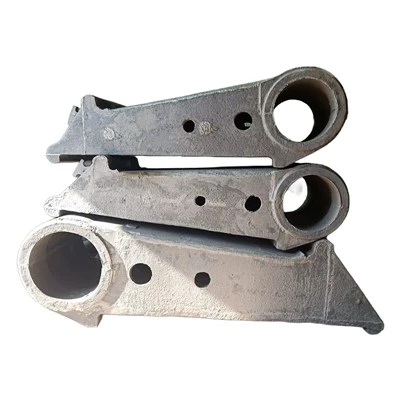
Design flexibility is another major advantage. Casting processes can accommodate components featuring curved surfaces, internal cavities, reinforcing ribs, and irregular profiles. Pump housings, valve bodies, gearbox housings, and machine bases are typical examples where casting enables complex structural designs that would be more difficult or costly to produce through conventional manufacturing methods.
Metal castings can also be structurally optimized according to expected load conditions. Wall thicknesses, reinforcing ribs, and transition areas can be carefully designed to provide the required strength while avoiding unnecessary material. For large or lightweight components, this approach can help manufacturers balance structural performance, weight, material consumption, and production costs.
Casting design is closely connected to both material properties and the selected manufacturing process. Different alloys have different flow characteristics, solidification behavior, shrinkage rates, and mechanical properties. As a result, casting structures need to be designed with the entire production process in mind. Excessive changes in wall thickness, sharp transitions, or poorly designed sections can increase the risk of defects such as shrinkage cavities and cracking.
Industry professionals emphasize that effective casting design requires a balance between functional requirements, material characteristics, and manufacturability. With advances in computer-aided design, casting simulation, and digital manufacturing, engineers now have more tools for analyzing and optimizing complex structures before production. These developments are helping metal castings achieve greater strength, lower weight, and higher levels of structural integration, creating new possibilities for advanced industrial product design.