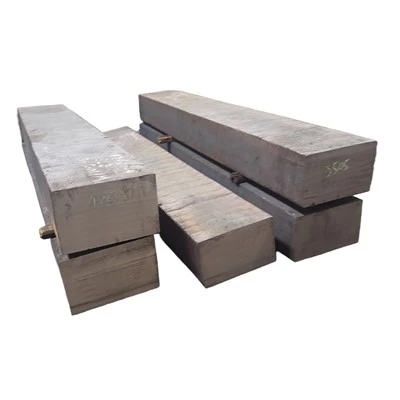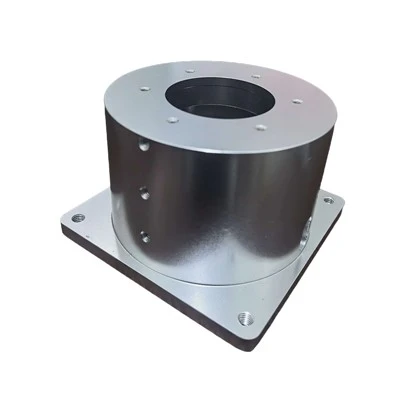

Metal castings are essential components in modern industrial manufacturing, serving far more purposes than simply forming the basic structure of a machine. Depending on their design and application, cast components can provide structural support, carry mechanical loads, facilitate connections, house moving parts, maintain fluid containment, and assist with heat dissipation. They are widely used in automotive systems, industrial pumps and valves, construction machinery, energy equipment, and many other applications.
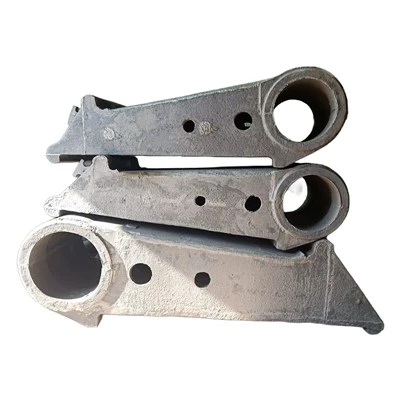
One of the primary functions of a metal casting is to provide structural support and withstand mechanical loads. Bases, housings, brackets, and large structural components are often required to support their own weight while handling forces generated during equipment operation. Proper structural design combined with an appropriate metal alloy can provide the required strength and rigidity, helping improve the stability and service life of the entire system.
Metal castings also play an important role in mechanical power transmission systems. Components such as gearbox housings and bearing supports require dimensional stability and sufficient structural strength to maintain accurate positioning of internal parts. A well-designed casting can help reduce unwanted deformation and vibration while providing a stable environment for gears, shafts, and bearings to operate efficiently.
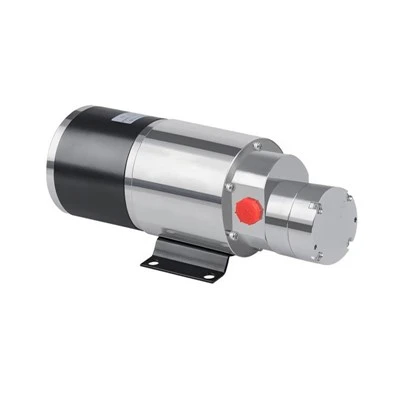
Fluid containment and sealing are also important functions in many cast components. Pump housings, valve bodies, and equipment enclosures are often designed with internal passages and chambers that guide or contain liquids and gases. Casting technology allows manufacturers to create complex internal geometries while maintaining the structural integrity required for reliable fluid handling. When combined with suitable sealing components, these cast parts can help minimize leakage and maintain system performance.
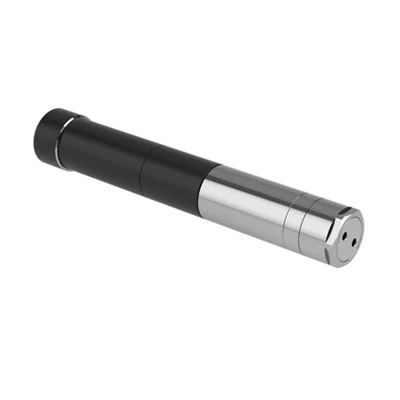
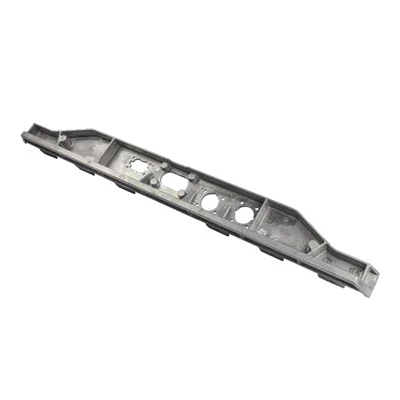
Heat management is another valuable function of certain metal castings. Aluminum alloys, for example, offer good thermal conductivity and can be used to manufacture housings and structural components designed to transfer heat away from motors, electronic systems, and other heat-generating equipment. Carefully engineered cooling surfaces and channels can further improve thermal performance.
Industry professionals point out that the functional performance of a metal casting depends on more than material selection alone. Structural design, casting technology, dimensional accuracy, and post-processing quality all contribute to the final performance of the component. As manufacturing continues to move toward higher performance, lighter structures, and greater integration, metal castings are expected to play an increasingly important role in improving equipment functionality, durability, and reliability.