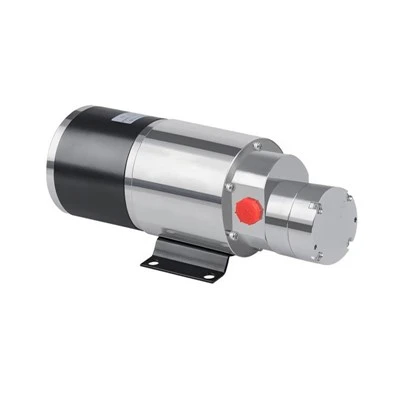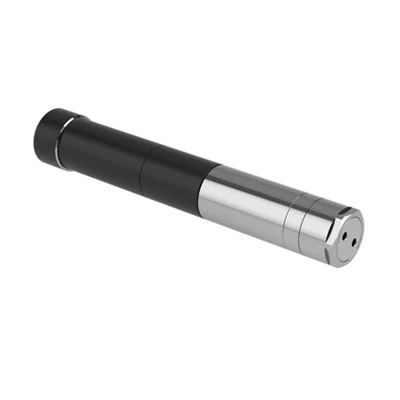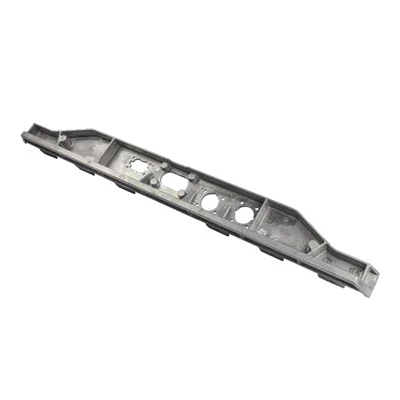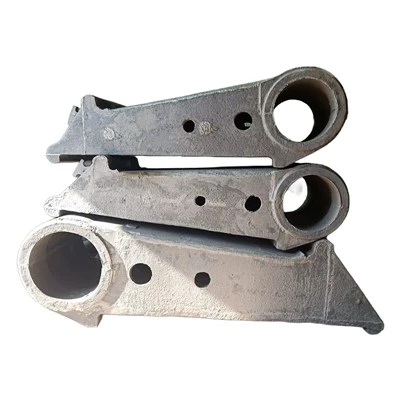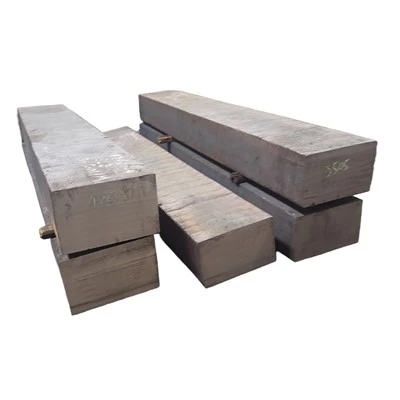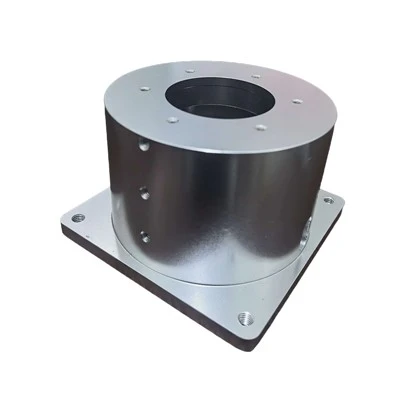

Metal castings are essential components in modern industrial manufacturing. They are widely used in automotive systems, industrial pumps, construction machinery, energy equipment, and many other applications. From engine components and pump housings to large structural parts, a wide range of industrial products rely on cast metal components. As manufacturing continues to move toward higher performance, greater precision, and improved production efficiency, metal castings remain an important part of the industrial supply chain.
A metal casting is a component or semi-finished part produced by pouring molten metal into a specially designed mold cavity and allowing it to cool and solidify into a desired shape. Once the metal has fully solidified, the casting is removed from the mold and may undergo additional processes such as cleaning, heat treatment, machining, or surface finishing. These subsequent operations help the finished component achieve the required dimensions, mechanical properties, and surface characteristics.
The casting process generally involves mold or pattern design, metal melting, pouring, cooling and solidification, mold removal, and post-processing. Different casting methods are selected according to the material, component geometry, production volume, and performance requirements. Sand casting, for example, offers considerable flexibility and is suitable for a wide range of component sizes and complex geometries. Investment casting can provide excellent dimensional accuracy and surface quality, making it suitable for components with demanding design and precision requirements.
A variety of metals and alloys can be used to manufacture castings, including cast iron, cast steel, aluminum alloys, and copper alloys. Each material offers a different combination of properties, such as strength, wear resistance, corrosion resistance, weight, and high-temperature performance. Manufacturers therefore need to select materials based on the component's design, operating environment, and functional requirements.
Industry professionals emphasize that metal castings are more than simply the products of a casting process. They represent the integration of material engineering, mold design, manufacturing technology, and quality control. With continued advances in smart manufacturing and modern casting technologies, manufacturers are improving production efficiency, dimensional accuracy, and overall component performance. These developments are helping metal castings meet the evolving requirements of industries ranging from automotive and machinery manufacturing to energy and aerospace.