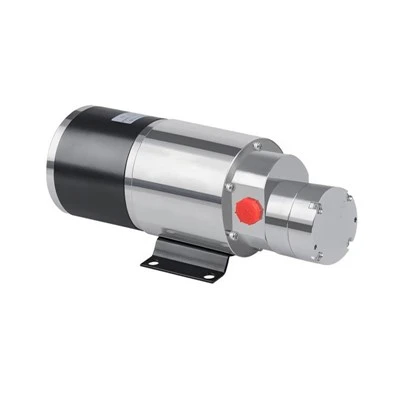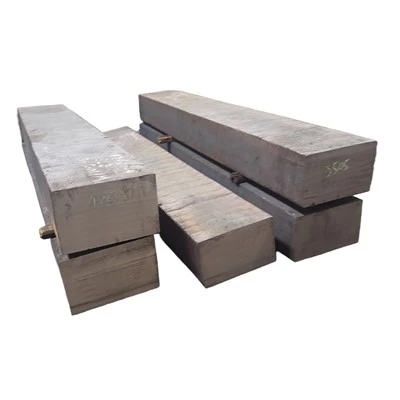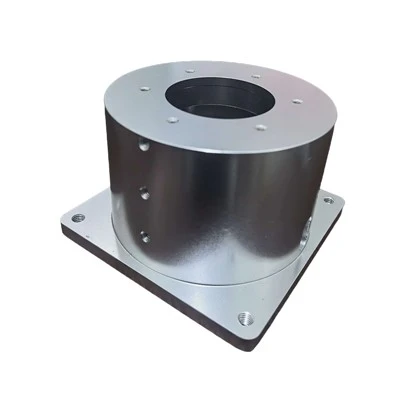

As industries such as mechanical manufacturing, automotive production, energy, and construction equipment continue to evolve, metal castings remain essential components in a wide range of industrial applications. From engine components, pump housings, and valve bodies to structural parts for heavy machinery, cast metal components offer excellent formability and material versatility. Understanding their fundamental characteristics can help manufacturers make better decisions regarding product design, material selection, and production processes.
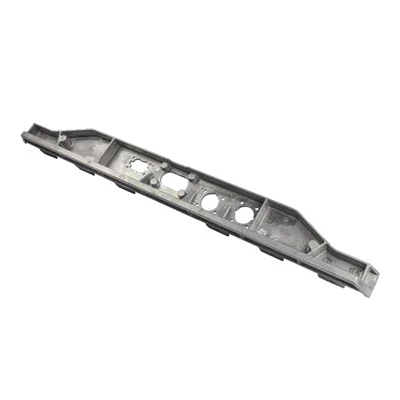
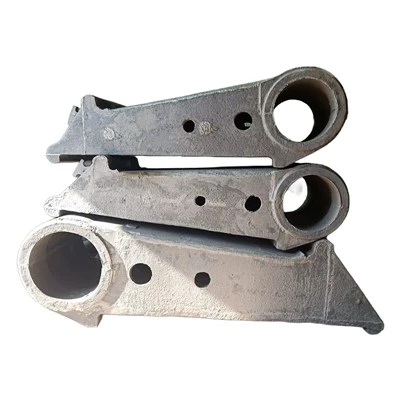
One of the defining characteristics of metal castings is their ability to form complex shapes. During the casting process, molten metal is poured into a specially designed mold cavity, where it solidifies into the required geometry. Compared with certain machining methods, casting provides significant advantages when producing large components, intricate structures, and parts with complex geometries. It can also reduce the amount of material removed during subsequent machining operations.
Material properties play a major role in determining the performance of a casting. Different metals offer different levels of strength, hardness, wear resistance, corrosion resistance, and high-temperature performance. Cast iron, for example, is known for its good vibration-damping capacity and wear resistance. Cast steel generally provides high strength and toughness, while aluminum alloy castings are valued for their low weight and good thermal conductivity. Material selection therefore needs to be based on the component's operating environment and specific performance requirements.
The dimensional accuracy, surface finish, and internal structure of a casting are also closely related to the manufacturing process. Factors such as melting temperature, pouring conditions, mold design, cooling methods, and subsequent heat treatment can all affect the final quality of the component. Careful process control helps minimize common casting defects, including porosity, shrinkage cavities, and cracks, while improving product consistency and reliability.
Industry professionals point out that the performance of a metal casting is not determined by material selection alone. Its final quality depends on the combined effects of material properties, structural design, and manufacturing technology. As modern manufacturing moves toward higher performance, lighter structures, and greater precision, casting technologies are continuing to advance. By optimizing the combination of materials and production processes, metal castings are expected to maintain their important role across an increasingly broad range of industrial applications.